#1
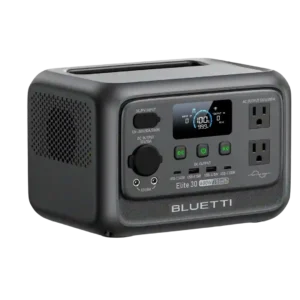
The 140W and 100W USB-C ports are a major advantage, fast-charging laptops, phones, and tablets simultaneously. This unusually strong USB-C setup is repeatedly singled out as a reason to choose...
Pros: rated output, output stability
Cons: over-voltage protection, cold-weather performance
#2
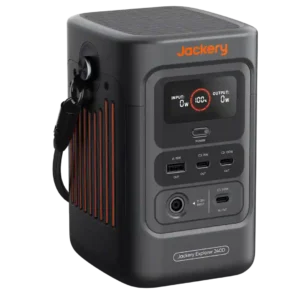
The 140W USB-C port is a standout strength, handling demanding laptops and gaming hardware at or near full charging speed. Every direct test of the high-power port was strongly positive.
Pros: power output, rated output
Cons: AC outlet count, repairability
#3

The 100W USB-C PD port is a standout feature, repeatedly praised for charging laptops directly at full speed without needing an AC brick.
Pros: output stability, pure sine wave output
Cons: remaining runtime estimate, Bluetooth connectivity
#4
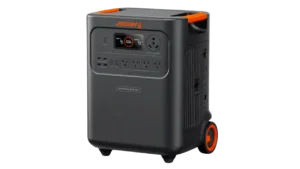
The 100W USB-C power delivery outputs performed cleanly in testing and are well suited to laptops and other high-draw USB-C gear.
Pros: output stability, voltage regulation
Cons: DC output, 12-volt outlet
#5
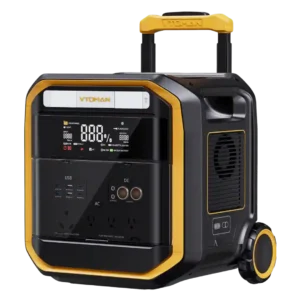
Dual 100W USB-C ports are a standout convenience, fast-charging laptops, drones, power banks, and other demanding mobile devices without separate bricks.
Pros: power output, surge capacity
Cons: specification accuracy, peak output
#6
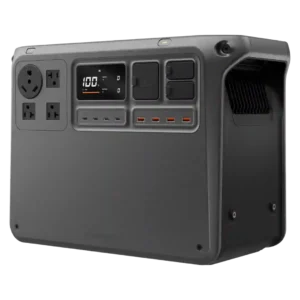
The high-output USB-C ports charge laptops and other demanding mobile devices quickly and directly.
Pros: rated output, peak output
Cons: startup reliability, full-load noise
#7
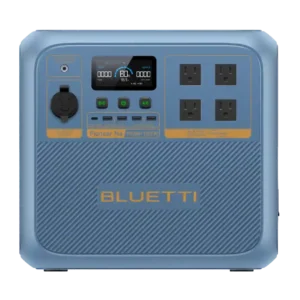
The 100W USB-C port meets its rating and is considered sufficient for laptops, drones, and most modern gear.
Pros: pure sine wave output, startup performance
Cons: MPPT controller performance, battery expandability
#8
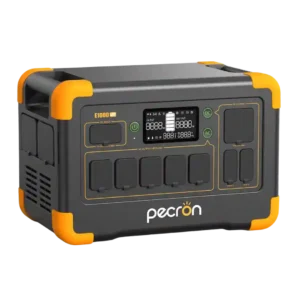
Both USB-C ports can deliver up to 100W and performed well, but some rivals now offer 140W ports and heavy DC loads can temporarily disable the 100W outputs.
Pros: inverter quality, LiFePO4 battery
Cons: idle noise, built-in light
