
The 100W USB-C port receives consistent praise for charging laptops at proper wall-adapter speeds.
Pros: rated output, peak output
Cons: standby power loss, specification accuracy

The 100W USB-C port receives consistent praise for charging laptops at proper wall-adapter speeds.
Pros: rated output, peak output
Cons: standby power loss, specification accuracy
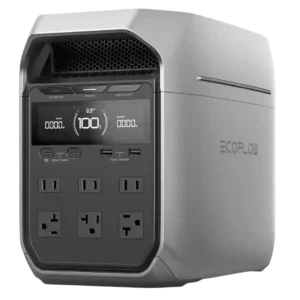
Both USB-C ports can deliver close to 140W simultaneously, making them excellent for modern laptops and other high-draw devices.
Pros: rated output, peak output
Cons: 30-amp output, parallel operation support
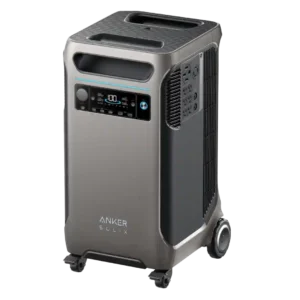
The high-power USB-C ports are repeatedly praised for fast laptop, tablet, and phone charging.
Pros: rated output, output stability
Cons: car charging speed, USB-A ports
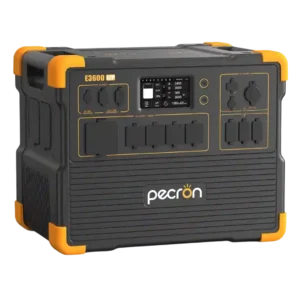
The 100-watt USB-C port delivered its rated power in testing and handled laptop-class charging without trouble.
Pros: power output, rated output
Cons: output stability, voltage regulation
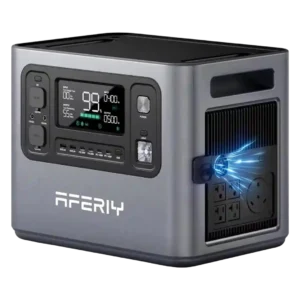
Two 140W USB-C PD ports are repeatedly praised for fast-charging laptops and other demanding devices without bulky AC adapters.
Pros: rated output, peak output
Cons: app connectivity, voltage regulation
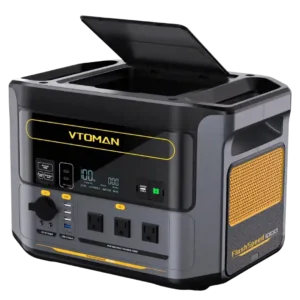
Each USB-C port can deliver up to 100W, making the station well suited to fast-charging laptops, tablets, and phones.
Pros: inverter quality, power quality
Cons: Wi-Fi connectivity, weather resistance
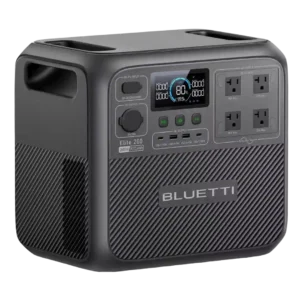
The two 100W USB-C ports are widely praised for charging laptops and other high-demand devices without using the AC inverter.
Pros: output stability, pure sine wave output
Cons: specification accuracy, startup reliability
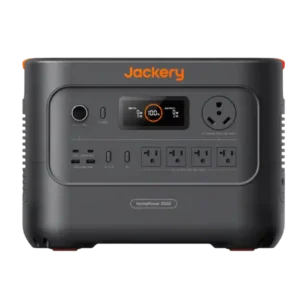
The pair of 100W USB-C outputs is strong enough for laptops and other higher-power USB-C devices.
Pros: power output, rated output
Cons: battery expandability, car charging speed
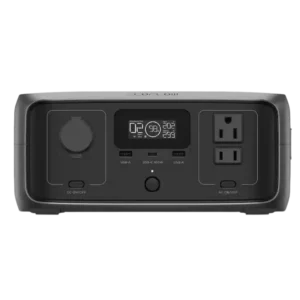
The 100W USB-C output is excellent for laptops and modern devices, although a few owners report underpowered behavior or port failures.
Pros: noise level, idle noise
Cons: self-discharge rate, air travel suitability
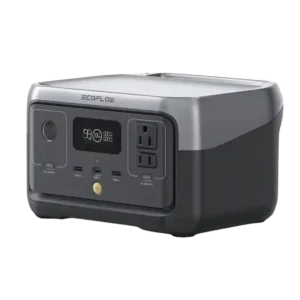
The consistent hands-on result is 60W bidirectional USB-C—adequate for many laptops, but less versatile than 100W competitors and weak for some legacy fast-charge modes.
Pros: surge capacity, output stability
Cons: dual-input charging, whole-home integration
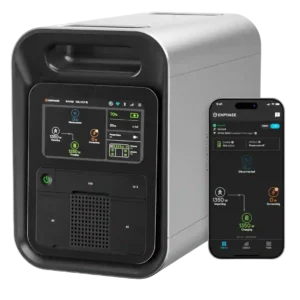
The USB-C ports are useful, but the missing published PD wattage makes laptop compatibility harder to judge.
Pros: rated output, output stability
Cons: runtime at full load, RV outlet