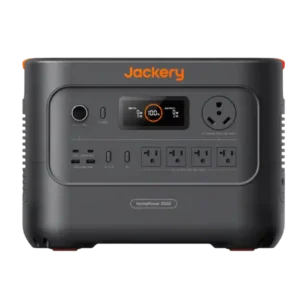
Compressors, pumps, and power tools start confidently, with surge performance repeatedly described as a major advantage.
Pros: power output, rated output
Cons: battery expandability, car charging speed

Compressors, pumps, and power tools start confidently, with surge performance repeatedly described as a major advantage.
Pros: power output, rated output
Cons: battery expandability, car charging speed
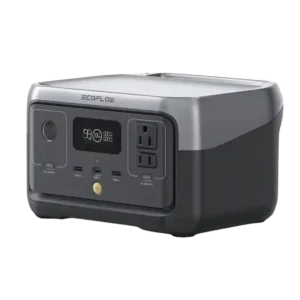
Short bursts and X-Boost worked as intended in testing, helping the inverter avoid immediate shutdown on compatible loads.
Pros: surge capacity, output stability
Cons: dual-input charging, whole-home integration
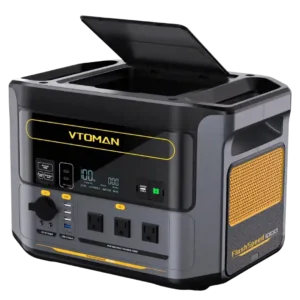
The inverter handled startup spikes and resistive loads well above 1,000W, including kettles, heaters, refrigeration, and cooking equipment.
Pros: inverter quality, power quality
Cons: Wi-Fi connectivity, weather resistance
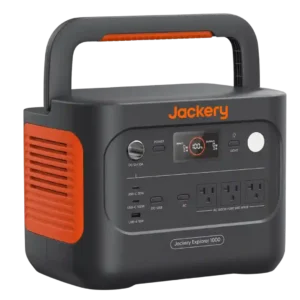
The 3,000W surge headroom successfully absorbs refrigerator, tool, and appliance startup spikes without nuisance shutdowns.
Pros: rated output, peak output
Cons: standby power loss, specification accuracy
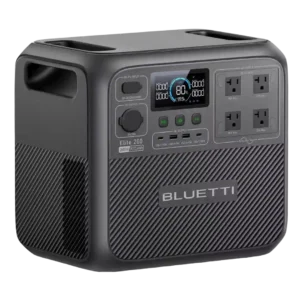
Power Lifting and surge behavior handle demanding resistive loads well, although one failed unit could not meet expectations.
Pros: output stability, pure sine wave output
Cons: specification accuracy, startup reliability
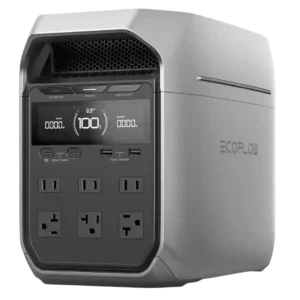
The station handles meaningful startup spikes and brief overloads, but one test found the practical ceiling closer to 2,600W than the advertised 3,600W.
Pros: rated output, peak output
Cons: 30-amp output, parallel operation support
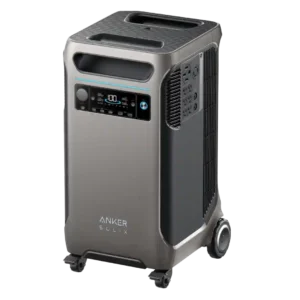
The station starts compressors, air conditioners, and other surge-heavy loads impressively, though one laboratory found the highest advertised spikes lasted only seconds.
Pros: rated output, output stability
Cons: car charging speed, USB-A ports
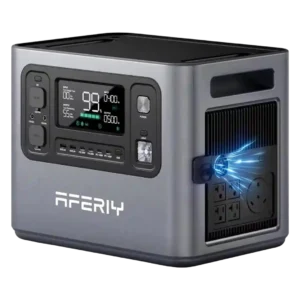
Individual tools with high startup demand generally ran, but combining large inductive loads produced delay and substantial voltage drop.
Pros: rated output, peak output
Cons: app connectivity, voltage regulation
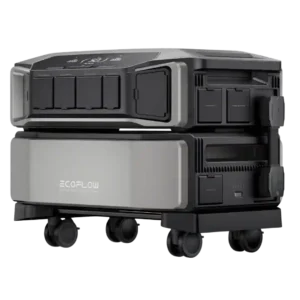
Surge capability is disputed. One source praised the rated motor-start headroom, while another comparison found the DPU inconsistent and weak on demanding surge tests.
Pros: power quality, simultaneous device support
Cons: battery percentage accuracy, firmware updates
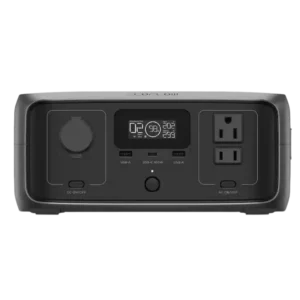
Some devices above 300W will start and run, but compressors, pumps, OLED TVs, and other surge-heavy loads can overload immediately.
Pros: noise level, idle noise
Cons: self-discharge rate, air travel suitability
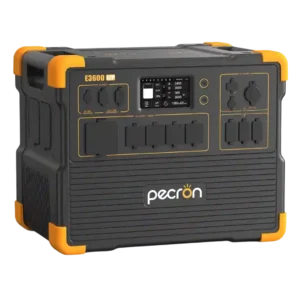
The inverter tolerates moderate overloads, but testing did not validate the full advertised surge figure.
Pros: power output, rated output
Cons: output stability, voltage regulation
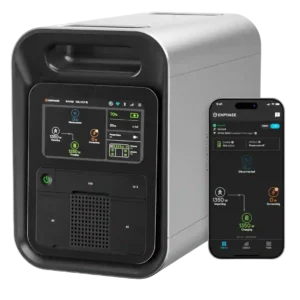
The 3,000 W surge lasts only briefly, and several testers caution against pumps, compressors, and other hard-starting loads.
Pros: rated output, output stability
Cons: runtime at full load, RV outlet