#1
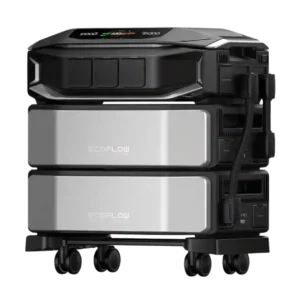
Idle draw is exceptionally low for a 12kW inverter in multiple tests, allowing the system to remain energized for long periods without wasting a large share of stored energy.
Pros: output stability, voltage regulation
Cons: solar cable compatibility, UPS functionality
#2
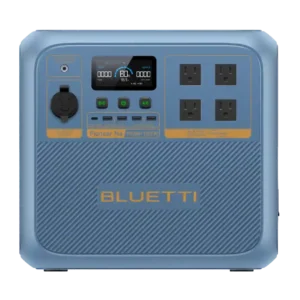
Standby draw is outstanding, repeatedly measuring around the low single digits with the station idle and roughly 8-9W with the inverter enabled.
Pros: pure sine wave output, startup performance
Cons: MPPT controller performance, battery expandability
#3
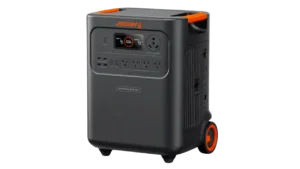
Standby draw tested well overall, with several reviewers impressed by how slowly the large inverter depleted the battery while idle.
Pros: output stability, voltage regulation
Cons: DC output, 12-volt outlet
#4
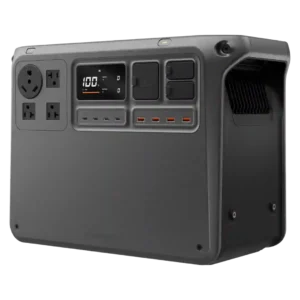
Idle draw is respectable in some tests, but other measurements and owner experiences were less favorable.
Pros: rated output, peak output
Cons: startup reliability, full-load noise
#5
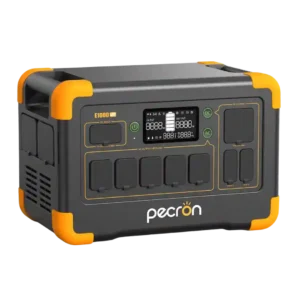
Idle draw is inconsistent across measurements, from acceptable or better-than-average to enough to drain roughly 40% in a day; turning unused outputs off is important.
Pros: inverter quality, LiFePO4 battery
Cons: idle noise, built-in light
#6
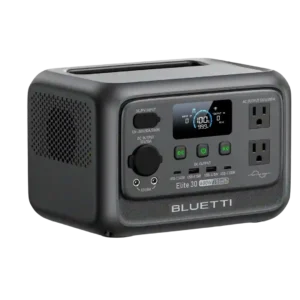
Idle drain is the most repeated weakness. Leaving AC or DC outputs active can consume a surprising share of the small battery, while Eco mode may shut off loads that...
Pros: rated output, output stability
Cons: over-voltage protection, cold-weather performance
#7
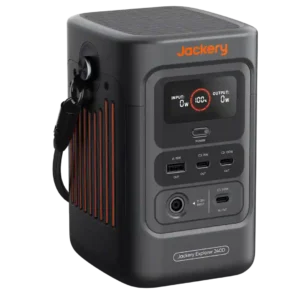
One report describes roughly 1% charge loss every 1.5 hours while idle, which would be poor for emergency storage. Other storage results are better, so unit-to-unit consistency is uncertain.
Pros: power output, rated output
Cons: AC outlet count, repairability
