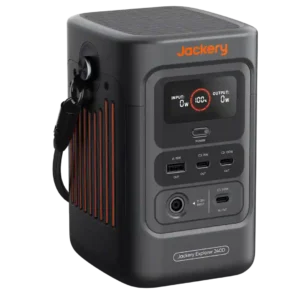
The station works well with Jackery and many third-party panels when voltage and connectors match. The dedicated solar input is more robust than relying only on USB-C.
Pros: power output, rated output
Cons: AC outlet count, repairability

The station works well with Jackery and many third-party panels when voltage and connectors match. The dedicated solar input is more robust than relying only on USB-C.
Pros: power output, rated output
Cons: AC outlet count, repairability
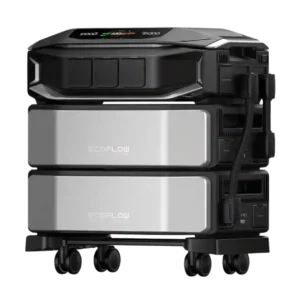
The wide solar-input capability works well with substantial third-party arrays, giving buyers flexibility to source panels separately and build a more cost-effective permanent solar setup.
Pros: output stability, voltage regulation
Cons: solar cable compatibility, UPS functionality
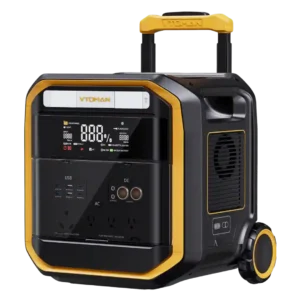
The 12V-to-80V input range supports a wide variety of panel arrangements and makes series wiring easier than on lower-voltage competitors.
Pros: power output, surge capacity
Cons: specification accuracy, peak output
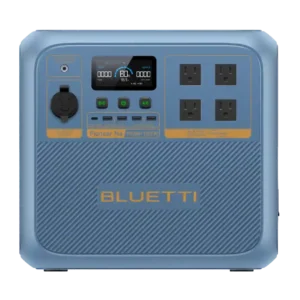
Bluetti panels work well, and reviewers also note compatible third-party panels can be used within the input limits.
Pros: pure sine wave output, startup performance
Cons: MPPT controller performance, battery expandability
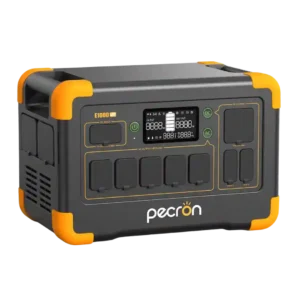
The 20A current allowance is excellent for parallel and rigid-panel setups, but the 60V ceiling limits how many common panels can be placed in series.
Pros: inverter quality, LiFePO4 battery
Cons: idle noise, built-in light
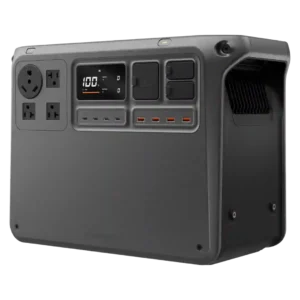
A range of panels worked successfully, but proprietary adapters, voltage limits, and occasional third-party incompatibility complicate setup.
Pros: rated output, peak output
Cons: startup reliability, full-load noise
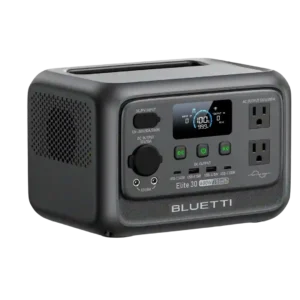
It works with Bluetti and third-party panels that stay within the supported voltage and current range. Existing high-voltage panels may be incompatible even when their wattage seems suitable.
Pros: rated output, output stability
Cons: over-voltage protection, cold-weather performance
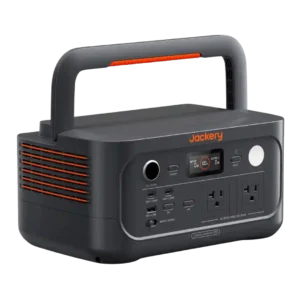
Jackery’s own panels fit naturally, but using another brand is less convenient because of the proprietary DC8020 connection.
Pros: output stability, pure sine wave output
Cons: remaining runtime estimate, Bluetooth connectivity
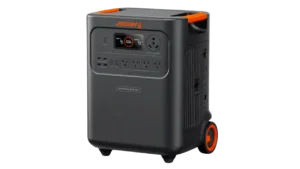
Third-party solar compatibility is a weak point because reviewers repeatedly noted proprietary connectors, adapter requirements, or restrictive input parameters.
Pros: output stability, voltage regulation
Cons: DC output, 12-volt outlet