#1
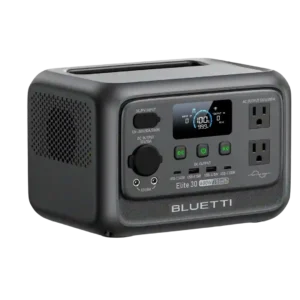
The station works well as a compact solar generator, keeping phones, laptops, tools, and camping gear running from renewable input. Its small battery favors daily topping-up rather than long periods...
Pros: rated output, output stability
Cons: over-voltage protection, cold-weather performance
#2
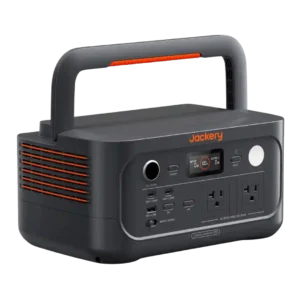
Paired with a solar panel, the station works well as a compact off-grid solar setup for camping and mobile use.
Pros: output stability, pure sine wave output
Cons: remaining runtime estimate, Bluetooth connectivity
#3
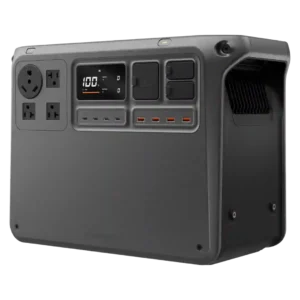
One owner found it an effective quiet replacement for a gas generator when paired with suitable charging equipment.
Pros: rated output, peak output
Cons: startup reliability, full-load noise
#4
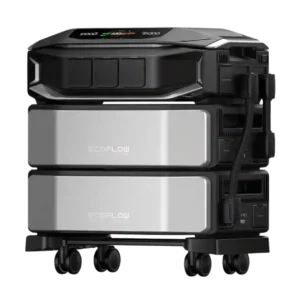
As a solar-backed whole-home system, the Ultra X earns exceptional praise. Its combination of a 12kW inverter, 10kW solar input, and massive battery expansion pushes well beyond typical portable solar...
Pros: output stability, voltage regulation
Cons: solar cable compatibility, UPS functionality
#5
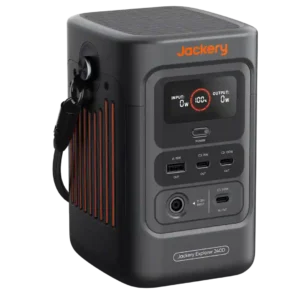
When paired with a suitable panel, the station can provide a practical continuous off-grid supply for small electronics. The compact solar setup is especially useful for camping and remote work.
Pros: power output, rated output
Cons: AC outlet count, repairability
#6
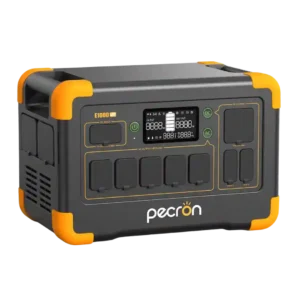
Solar operation is dependable: the station accepts rated input, works during pass-through use, and can wake itself to begin charging when sunlight returns.
Pros: inverter quality, LiFePO4 battery
Cons: idle noise, built-in light
#7
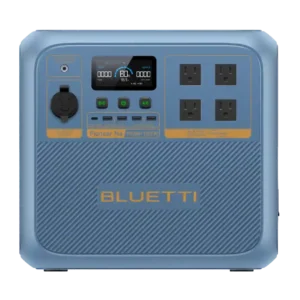
As a solar generator it works well, with reliable wake-and-charge behavior and enough input for camping or off-grid replenishment. Connector choice and single-port input are the main compromises.
Pros: pure sine wave output, startup performance
Cons: MPPT controller performance, battery expandability
#8
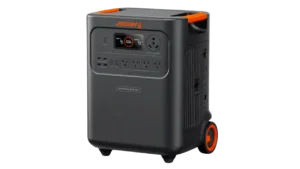
As a solar generator, the unit works well for backup and off-grid support, particularly when solar is treated as one part of a broader charging plan.
Pros: output stability, voltage regulation
Cons: DC output, 12-volt outlet
