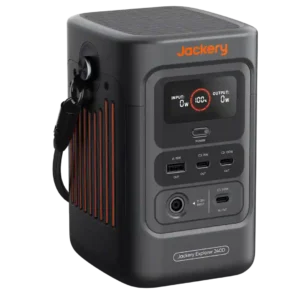
The dedicated 8020 input is sturdy, but third-party panels may require adapters. Compatibility is broad once the correct connector and voltage range are matched.
Pros: power output, rated output
Cons: AC outlet count, repairability

The dedicated 8020 input is sturdy, but third-party panels may require adapters. Compatibility is broad once the correct connector and voltage range are matched.
Pros: power output, rated output
Cons: AC outlet count, repairability
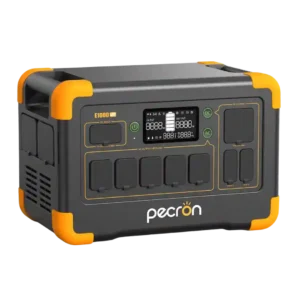
The included MC4-to-XT60 lead is useful, but its very short length may require an extension with some panels.
Pros: inverter quality, LiFePO4 battery
Cons: idle noise, built-in light
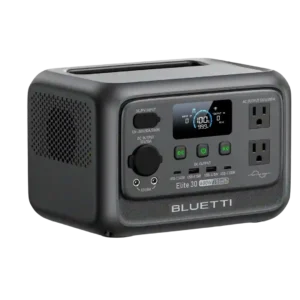
Solar input is not fully ready out of the box for every panel because the needed XT60 or barrel adapter may be missing.
Pros: rated output, output stability
Cons: over-voltage protection, cold-weather performance
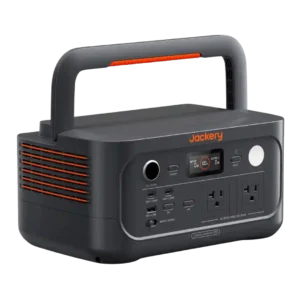
Third-party solar cabling is less convenient because an MC4-to-DC8020 adapter may be required and can be difficult to source.
Pros: output stability, pure sine wave output
Cons: remaining runtime estimate, Bluetooth connectivity
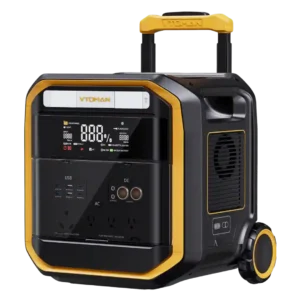
The Anderson input is flexible, but the lack of an included MC4-to-Anderson cable means many solar users will need an aftermarket adapter.
Pros: power output, surge capacity
Cons: specification accuracy, peak output
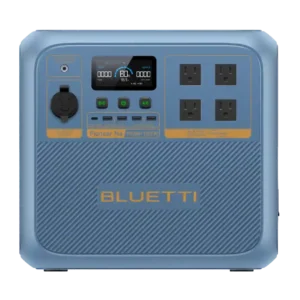
The single solar input and barrel connector often require adapters when combining portable panels, adding friction to otherwise capable solar charging.
Pros: pure sine wave output, startup performance
Cons: MPPT controller performance, battery expandability
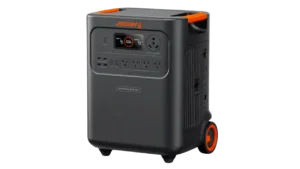
Solar cabling is a repeated pain point because the proprietary 8020-style connection often pushes third-party users toward adapters.
Pros: output stability, voltage regulation
Cons: DC output, 12-volt outlet
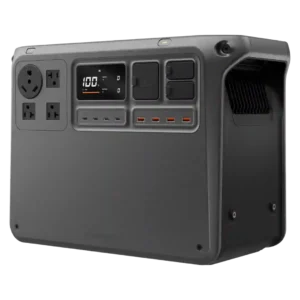
Solar charging depends on proprietary or extra conversion hardware, and required cables have sometimes been difficult to obtain.
Pros: rated output, peak output
Cons: startup reliability, full-load noise
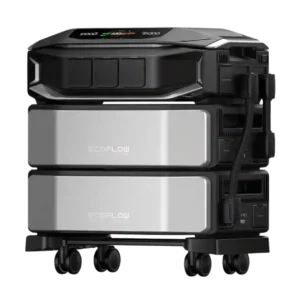
Solar integration is powerful but less beginner-friendly than expected because the required DC isolator arrives without all of the prewired connections some reviewers wanted. That adds tools, wiring work, and...
Pros: output stability, voltage regulation
Cons: solar cable compatibility, UPS functionality