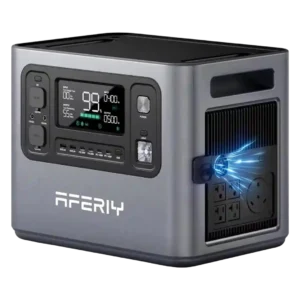
Runtime is strong for the class: tests included roughly 28 hours on a refrigerator, extensive cooking and charging, and days of light-duty mobile use.
Pros: rated output, peak output
Cons: app connectivity, voltage regulation

Runtime is strong for the class: tests included roughly 28 hours on a refrigerator, extensive cooking and charging, and days of light-duty mobile use.
Pros: rated output, peak output
Cons: app connectivity, voltage regulation
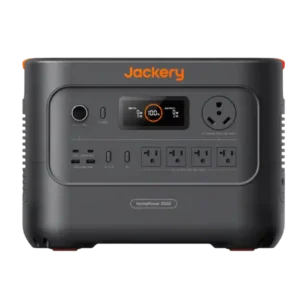
The 3,072Wh battery offers meaningful endurance: mixed essential loads can last through an outage, while lighter single loads run much longer.
Pros: power output, rated output
Cons: battery expandability, car charging speed
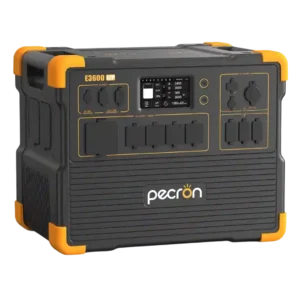
Real-world runtime is excellent for the class, including roughly a day of home essentials and about 25–33 hours for a refrigerator.
Pros: power output, rated output
Cons: output stability, voltage regulation
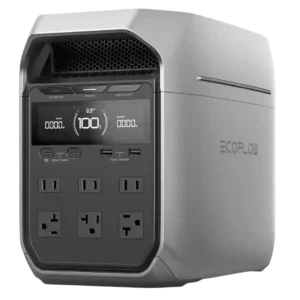
Runtime is strong for networking gear, refrigerators, CPAP machines, and camping electronics, with many owners reporting hours of useful backup. Heavy loads and high inverter idle draw shorten endurance quickly.
Pros: rated output, peak output
Cons: 30-amp output, parallel operation support
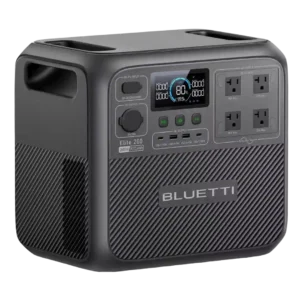
Real-world runtimes are strong for refrigerators, computers, tools, and camping gear, though heavy heating loads still drain 2kWh quickly.
Pros: output stability, pure sine wave output
Cons: specification accuracy, startup reliability
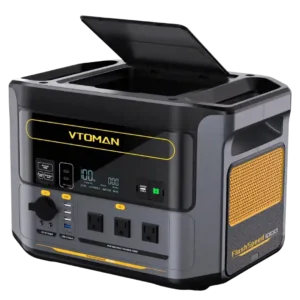
Runtime is strong for laptops, lighting, routers, and modest camp loads, while heaters and cooking appliances drain the 828Wh battery quickly.
Pros: inverter quality, power quality
Cons: Wi-Fi connectivity, weather resistance
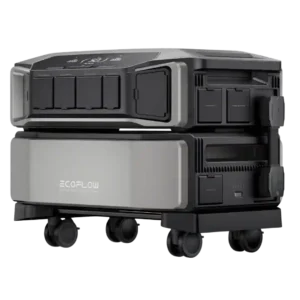
Runtime is strong for critical loads and grows dramatically with extra batteries. Owners report overnight to multi-day backup depending on load and system size, while heavy HVAC can drain a...
Pros: power quality, simultaneous device support
Cons: battery percentage accuracy, firmware updates
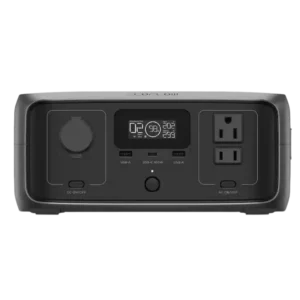
Light loads can run for many hours or even days, while CPAPs, TVs, fridges, and other larger loads drain the battery much faster.
Pros: noise level, idle noise
Cons: self-discharge rate, air travel suitability
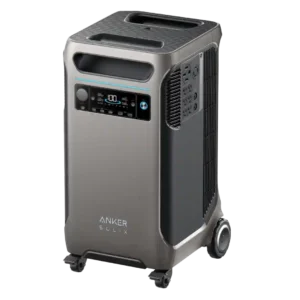
Refrigerator and essential-load tests commonly lasted many hours, sometimes a full day or more, and careful use can stretch into multiple days. Heavy HVAC or unrestricted whole-home loads drain the...
Pros: rated output, output stability
Cons: car charging speed, USB-A ports
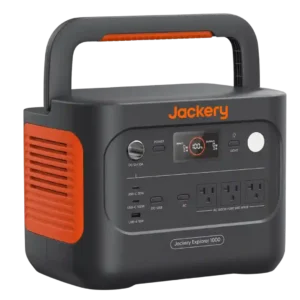
Runtime is strong for electronics, refrigeration, and moderate loads, but high-watt heating or cooking devices can consume the battery rapidly.
Pros: rated output, peak output
Cons: standby power loss, specification accuracy
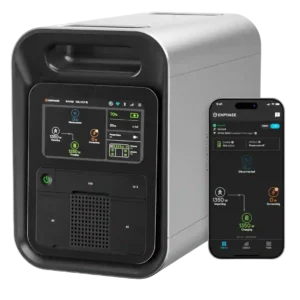
Runtime is dependable for refrigerators, routers, lights, and electronics, though measured usable energy is somewhat below the nameplate capacity.
Pros: rated output, output stability
Cons: runtime at full load, RV outlet
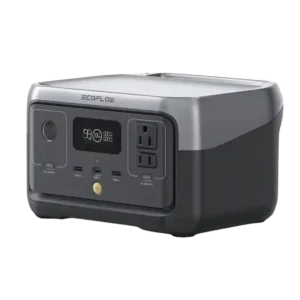
Runtime varies sharply by load: phones and networking gear can last hours or days, while 150-300W appliances may empty it in under two hours.
Pros: surge capacity, output stability
Cons: dual-input charging, whole-home integration