#1
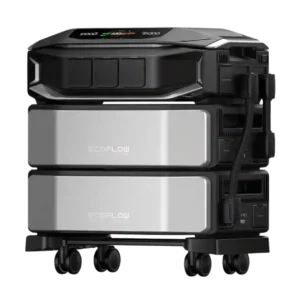
A long-term owner reports more than a year of flawless operation through repeated outages, providing encouraging real-world durability beyond launch-day testing.
Pros: output stability, voltage regulation
Cons: solar cable compatibility, UPS functionality
#2
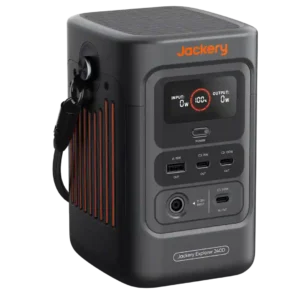
Older Explorer 240 travel testing found the unit tough enough for repeated motorcycle and camping use.
Pros: power output, rated output
Cons: AC outlet count, repairability
#3
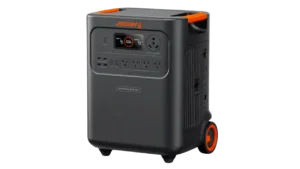
The solid enclosure, reinforced construction, and rugged feel give the system strong durability credentials.
Pros: output stability, voltage regulation
Cons: DC output, 12-volt outlet
#4
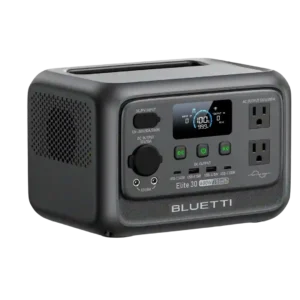
Owners describe the unit as durable and dependable for travel, camping, and regular backup use. The hard-plastic body feels capable of handling ordinary bumps.
Pros: rated output, output stability
Cons: over-voltage protection, cold-weather performance
#5
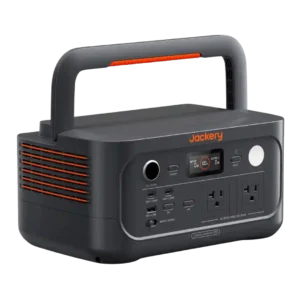
The unit feels robust enough for travel, workshops, and campsite handling rather than something that needs to be babied.
Pros: output stability, pure sine wave output
Cons: remaining runtime estimate, Bluetooth connectivity
#6
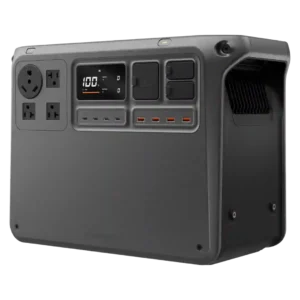
The rugged enclosure, flame-retardant construction, and high load-bearing design were widely praised, with only isolated defects undermining confidence.
Pros: rated output, peak output
Cons: startup reliability, full-load noise
#7
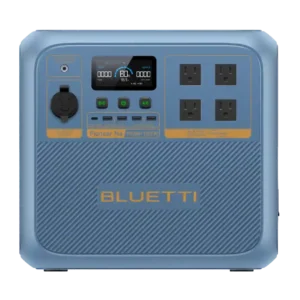
Drop testing is the biggest durability warning: units kept working, but exterior panels, clips, and casing suffered far more visible damage than the rugged marketing suggested.
Pros: pure sine wave output, startup performance
Cons: MPPT controller performance, battery expandability
#8
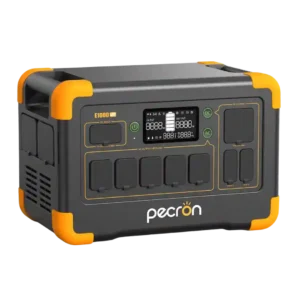
One carefully handled sample lost a bottom bumper foot, creating a serious concern about long-term physical durability.
Pros: inverter quality, LiFePO4 battery
Cons: idle noise, built-in light
