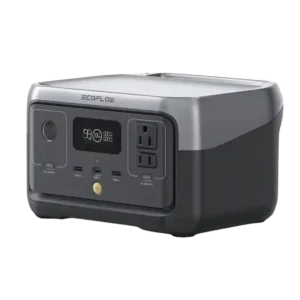
The 3,000-cycle rating is one of the product's strongest selling points, giving heavy users far more expected life than older NMC packs.
Pros: surge capacity, output stability
Cons: dual-input charging, whole-home integration

The 3,000-cycle rating is one of the product's strongest selling points, giving heavy users far more expected life than older NMC packs.
Pros: surge capacity, output stability
Cons: dual-input charging, whole-home integration
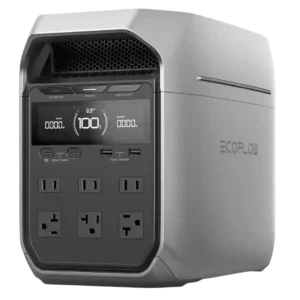
The 4,000-cycle rating is a major strength and supports many years of regular charging before capacity falls to 80%.
Pros: rated output, peak output
Cons: 30-amp output, parallel operation support
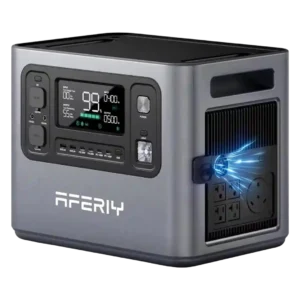
The 4,000-plus-cycle rating is a major selling point and supports expectations of roughly a decade of regular use.
Pros: rated output, peak output
Cons: app connectivity, voltage regulation
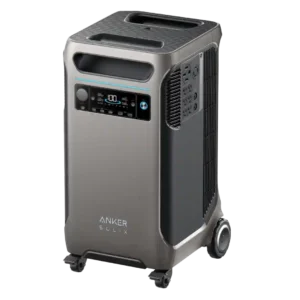
The LFP pack’s multi-thousand-cycle rating is seen as a major long-term advantage, especially for owners who plan to cycle it regularly.
Pros: rated output, output stability
Cons: car charging speed, USB-A ports
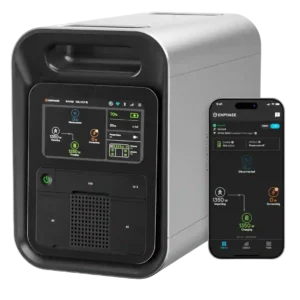
A 2,500-cycle rating and LFP chemistry point to years of typical backup and camping use.
Pros: rated output, output stability
Cons: runtime at full load, RV outlet
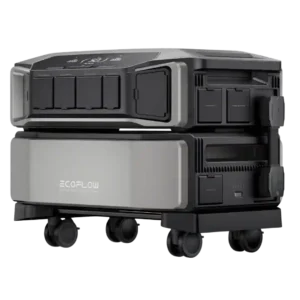
The 3,500-cycle rating was viewed as strong long-term durability and helped support the system’s value case.
Pros: power quality, simultaneous device support
Cons: battery percentage accuracy, firmware updates
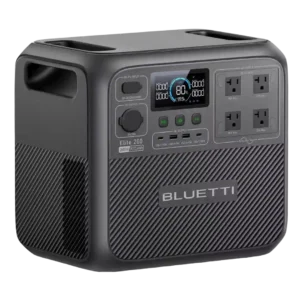
The 6,000-cycle rating is repeatedly highlighted as exceptional and a major reason to view the unit as a long-term purchase.
Pros: output stability, pure sine wave output
Cons: specification accuracy, startup reliability
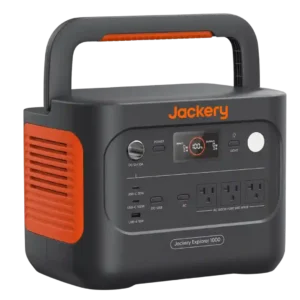
The 4,000-cycle rating earns near-universal praise and is repeatedly framed as enough for roughly a decade of frequent use.
Pros: rated output, peak output
Cons: standby power loss, specification accuracy
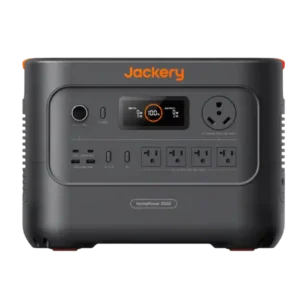
Cycle-life claims are unusually strong, generally pointing to thousands of cycles before major capacity loss.
Pros: power output, rated output
Cons: battery expandability, car charging speed
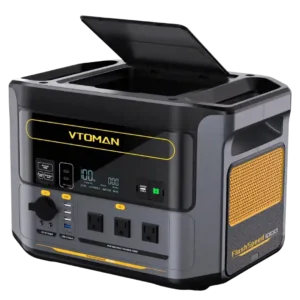
Around 3,000 full cycles to 80% capacity gives the battery reassuring long-term durability for regular use.
Pros: inverter quality, power quality
Cons: Wi-Fi connectivity, weather resistance
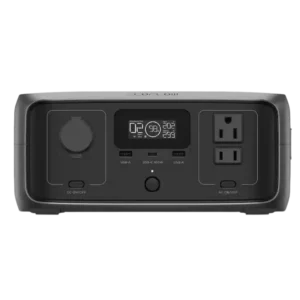
The 3,000-cycle specification is repeatedly highlighted as a major long-term advantage over lead-acid UPS batteries.
Pros: noise level, idle noise
Cons: self-discharge rate, air travel suitability