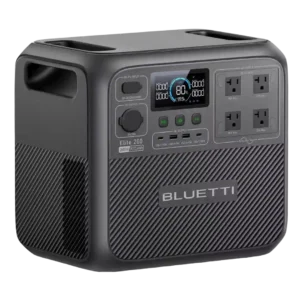
Reviewers strongly favor the automotive-grade LFP cells for their stability, safety, and long service life.
Pros: output stability, pure sine wave output
Cons: specification accuracy, startup reliability

Reviewers strongly favor the automotive-grade LFP cells for their stability, safety, and long service life.
Pros: output stability, pure sine wave output
Cons: specification accuracy, startup reliability
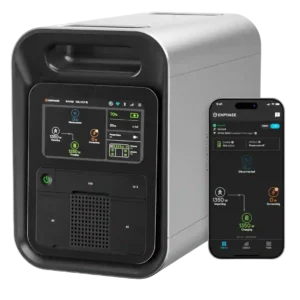
LFP chemistry is consistently viewed as the right choice for safety, thermal stability, and long service life.
Pros: rated output, output stability
Cons: runtime at full load, RV outlet
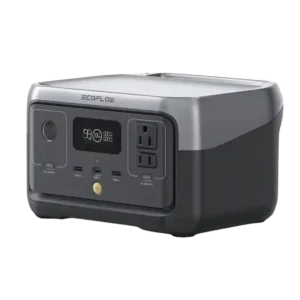
LFP chemistry is consistently treated as a major advantage for safety, frequent cycling, and long service life.
Pros: surge capacity, output stability
Cons: dual-input charging, whole-home integration
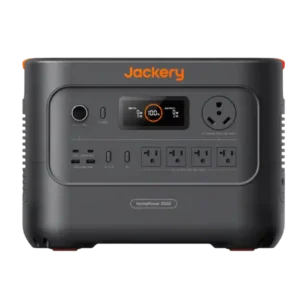
LiFePO4 chemistry brings strong safety, thermal stability, and lifespan advantages over older lithium-ion designs.
Pros: power output, rated output
Cons: battery expandability, car charging speed
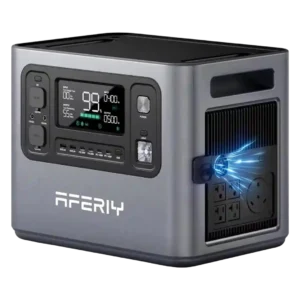
LiFePO4 chemistry is seen as a major safety and durability upgrade over older lithium-ion designs.
Pros: rated output, peak output
Cons: app connectivity, voltage regulation
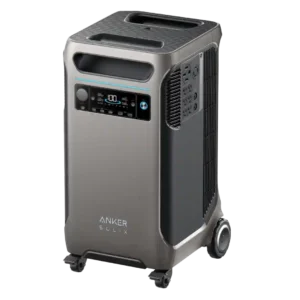
Customers describe the battery cells as high quality and well suited to storing a large amount of energy.
Pros: rated output, output stability
Cons: car charging speed, USB-A ports
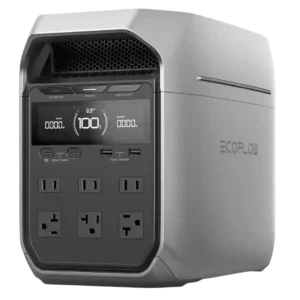
The LiFePO4 chemistry is viewed as a safe, durable foundation for frequent cycling and long-term ownership.
Pros: rated output, peak output
Cons: 30-amp output, parallel operation support

LiFePO4 cells are a major advantage, combining greater safety with a much longer expected service life than conventional lithium-ion packs.
Pros: inverter quality, power quality
Cons: Wi-Fi connectivity, weather resistance
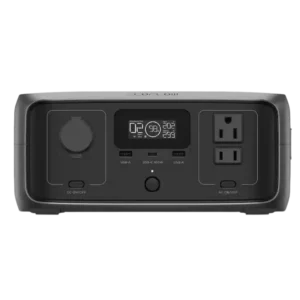
The lithium iron phosphate chemistry is considered safer and longer-lived than older lithium-ion designs.
Pros: noise level, idle noise
Cons: self-discharge rate, air travel suitability

Exact chemistry is described inconsistently, but the newer battery design is still presented as a major longevity upgrade.
Pros: rated output, peak output
Cons: standby power loss, specification accuracy
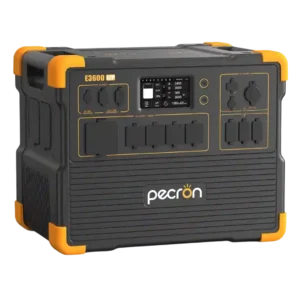
LFP chemistry supports long service life but contributes heavily to the station’s substantial weight.
Pros: power output, rated output
Cons: output stability, voltage regulation