#1
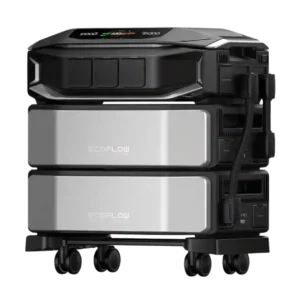
The base storage is already substantial for backup use, and the platform can grow into an unusually large home-energy system. Reviewers see that scale as one of its defining advantages.
Pros: output stability, voltage regulation
Cons: solar cable compatibility, UPS functionality
#2
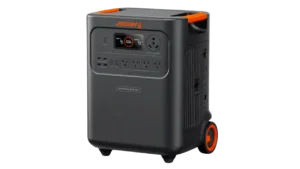
Reviewers viewed the roughly 3.6kWh battery as a substantial base capacity for meaningful home-backup use.
Pros: output stability, voltage regulation
Cons: DC output, 12-volt outlet
#3
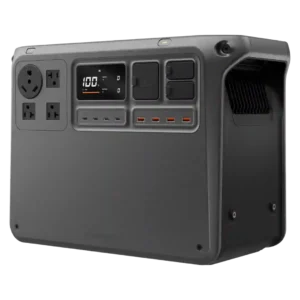
The 2,048Wh battery offers substantial useful energy in a relatively compact body and supports multi-hour or multi-day use depending on load.
Pros: rated output, peak output
Cons: startup reliability, full-load noise
#4
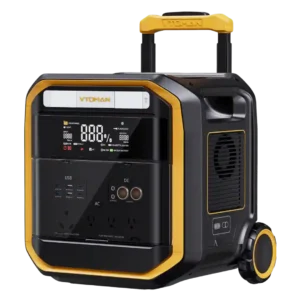
The roughly 3.1kWh pack is consistently described as substantial, giving the station enough reserve for multiple devices, long low-draw runtimes, and serious backup work.
Pros: power output, surge capacity
Cons: specification accuracy, peak output
#5
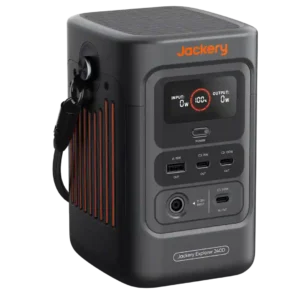
The 256Wh capacity is generous for phones, laptops, cameras, drones, and short outings, but modest for multi-day use. It works best as device backup rather than appliance backup.
Pros: power output, rated output
Cons: AC outlet count, repairability
#6
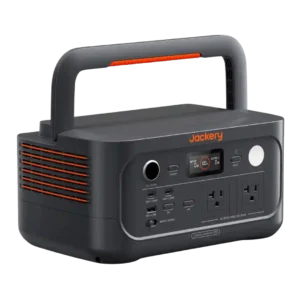
The roughly 512Wh capacity is well suited to weekend camping, small electronics, and brief outages, but it is not enough for sustained heavy backup. Opinions soften when it is compared...
Pros: output stability, pure sine wave output
Cons: remaining runtime estimate, Bluetooth connectivity
#7
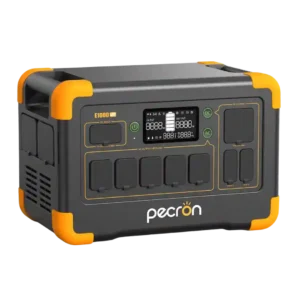
The 1,024Wh pack offers decent capacity for the size, but capacity alone does not offset concerns about heat and standby behavior in the most negative evaluation.
Pros: inverter quality, LiFePO4 battery
Cons: idle noise, built-in light
#8
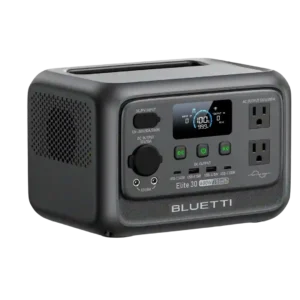
The 288Wh battery is well matched to phones, laptops, routers, CPAP machines, lights, and overnight camping loads. It feels small for heaters, kettles, household refrigerators, or multi-day off-grid use.
Pros: rated output, output stability
Cons: over-voltage protection, cold-weather performance
#9
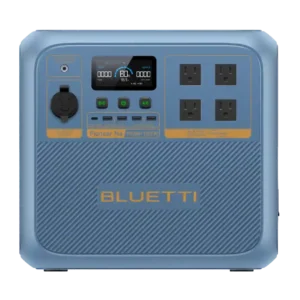
The 900Wh pack is enough for short outages, camping, and modest appliances, but reviewers repeatedly call it small for the unit's size and price. Power users and longer backup scenarios...
Pros: pure sine wave output, startup performance
Cons: MPPT controller performance, battery expandability
