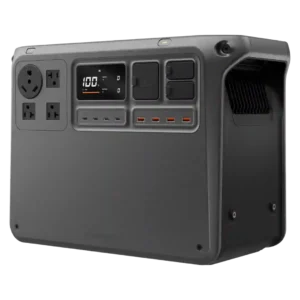
Four AC outlets provide more plug capacity than several comparable stations and were viewed as a practical advantage.
Pros: rated output, peak output
Cons: startup reliability, full-load noise

Four AC outlets provide more plug capacity than several comparable stations and were viewed as a practical advantage.
Pros: rated output, peak output
Cons: startup reliability, full-load noise
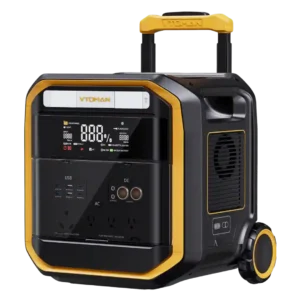
Four AC receptacles were repeatedly called generous, making it easier to run several household appliances without an external power strip.
Pros: power output, surge capacity
Cons: specification accuracy, peak output
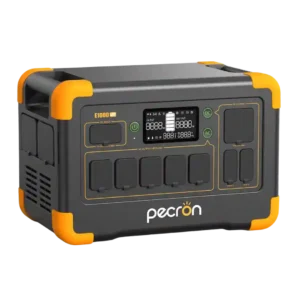
Five AC receptacles are unusually generous for a compact 1kWh station and are widely appreciated, although one owner felt five was more than this inverter really needs.
Pros: inverter quality, LiFePO4 battery
Cons: idle noise, built-in light
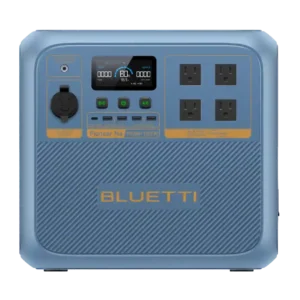
Four AC outlets give the 900Wh station plenty of plug-in flexibility for its size.
Pros: pure sine wave output, startup performance
Cons: MPPT controller performance, battery expandability
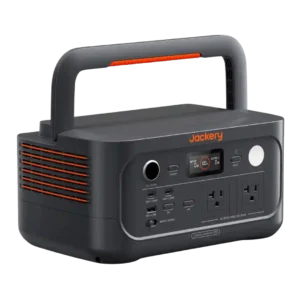
Two AC outlets help make the front-panel connection mix feel practical for everyday use.
Pros: output stability, pure sine wave output
Cons: remaining runtime estimate, Bluetooth connectivity
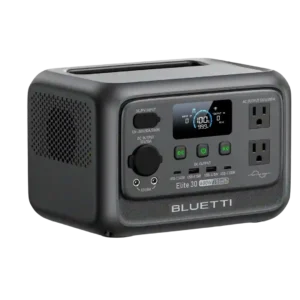
The 230V version has only one AC socket, while the US model has two. The single-outlet layout is considered workable with an extension lead, but it is less flexible than...
Pros: rated output, output stability
Cons: over-voltage protection, cold-weather performance
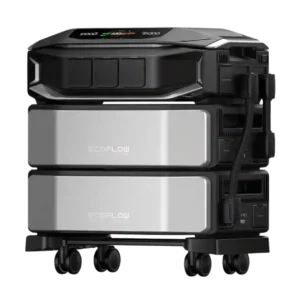
The reduced number of standard 120V outlets is a noticeable tradeoff versus the original Ultra. Some reviewers accept the cleaner whole-home focus, while others dislike losing convenient plug-in capacity.
Pros: output stability, voltage regulation
Cons: solar cable compatibility, UPS functionality
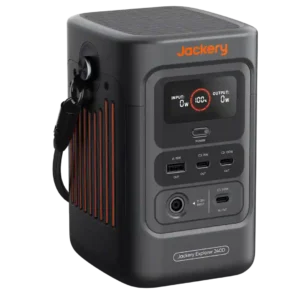
The defining limitation is the complete absence of an AC outlet on the 240D. Anything with a standard wall plug requires a different power station.
Pros: power output, rated output
Cons: AC outlet count, repairability