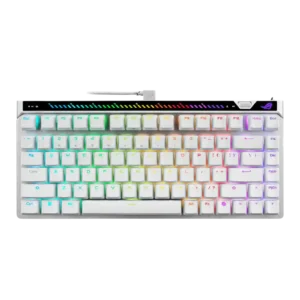
Ergonomics were mostly praised, but the rear touchbar placement was criticized as awkward by one reviewer.
Pros: key responsiveness, latency
Cons: analog input support, wrist rest quality

Showing Gaming Products only. Switch back to all Gaming Keyboards anytime.
Ergonomics were mostly praised, but the rear touchbar placement was criticized as awkward by one reviewer.
Pros: key responsiveness, latency
Cons: analog input support, wrist rest quality
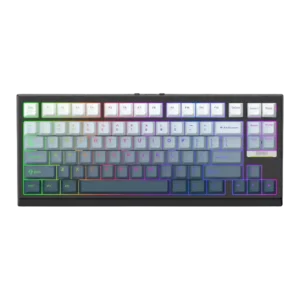
Ergonomics were mixed-to-positive: typing comfort and range were praised, but one reviewer disliked how the slanted front affected wrist-rest placement.
Pros: desk space efficiency, layout options
Cons: compatibility
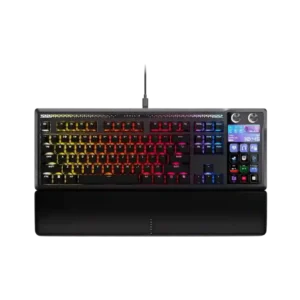
Ergonomics are context-dependent. Some users like having controls closer to their hands, while others find the Stream Deck angle or keyboard legs less comfortable for visibility and reach.
Pros: customization options, ease of switch replacement
Cons: reliability, analog input support
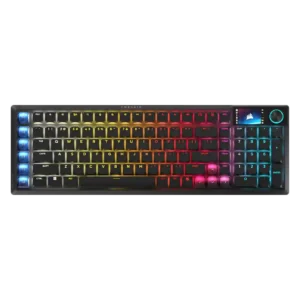
The low height and adjustable feet can reduce wrist strain, but the compressed clusters and left-side SD keys divide users. Some adapted quickly; others remained uncomfortable or misaligned after days...
Pros: key stability, stabilizer quality
Cons: analog input support, rapid trigger support
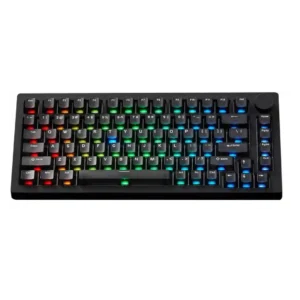
Ergonomics are mixed: the typing angle and slanted case can feel comfortable, but fixed feet, sharp edges, or flatter angles bother some reviewers.
Pros: switch options, hot-swappable switches
Cons: portability, cable quality
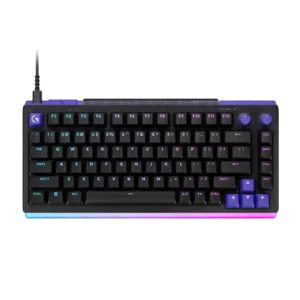
The default angle and optional palm rest can support long sessions, but the tall profile and awkward puller-feet setup did not suit everyone. Low-profile keyboard users were most likely to...
Pros: latency, RGB customization
Cons: actuation consistency, connectivity
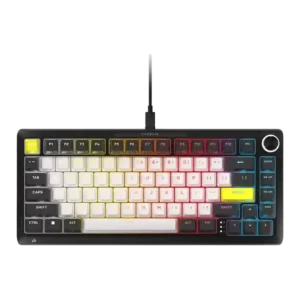
Ergonomic evidence was mixed, with some appreciation for adjustable feet but recurring criticism of stiffness, height, or wrist-angle strain.
Pros: per-key lighting control, durability
Cons: portability, noise level
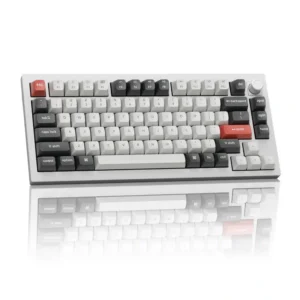
The sculpted keycaps and angled case can be comfortable for long sessions, but there are no adjustable feet. Users who need a steeper or flatter angle may find that limitation...
Pros: legend visibility, RGB customization
Cons: actuation consistency, rapid trigger support
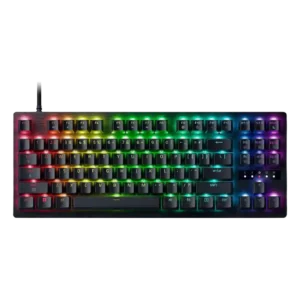
Comfort is more mixed: the feet help the angle, but the elevated, thick keycaps can make movement and wrist position awkward for typing.
Pros: polling rate, RGB customization
Cons: key stability, typing comfort
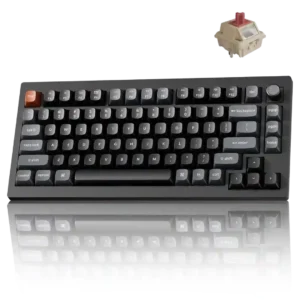
Adjustable feet and a cushioned plate help, but the tall front edge often pushes wrists backward. Several reviewers recommend adding a wrist rest for extended typing.
Pros: key responsiveness, actuation consistency
Cons: rapid trigger support, analog input support
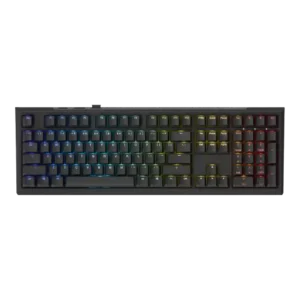
Ergonomics were a concern on taller or full-size versions, with reviewers noting finger strain, missing wrist-rest support, or the need to supply their own rest.
Pros: typing feel, key stability
Cons: profile management, wrist rest quality