Best for villain quality
The Witcher, Season 4
5.0 attribute score
Highest scored product for this attribute based on supporting review evidence.

Highest scored product for this attribute based on supporting review evidence.
Balances the attribute score, supporting reviews, and overall product strength.
Has the broadest review evidence for this attribute.
Strongest overall product among items with scored evidence for this attribute.
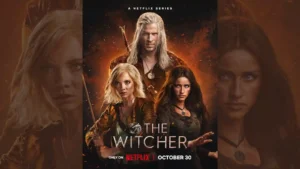
Leo Bonhart is the most consistently praised element in the entire season. Reviewers repeatedly call him menacing, memorable, frightening, and a standout new antagonist.
Pros: action quality, villain quality
Cons: entertainment value, faithfulness to source material

Cathy works as a compelling central antagonist/antihero precisely because she remains morally troubling while still magnetic to watch.
Pros: main cast performance, story quality
Cons: character balance, episode pacing
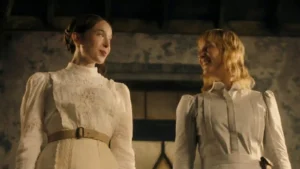
Rebecca Hall's Abby was praised as a phenomenal, highly entertaining villain.
Pros: acting quality, entertainment value
Cons: faithfulness to source material, violence level

Nile works as a magnetic, threatening antagonist, with his mix of charm, menace, and volatility making him compelling even when the mystery around his guilt feels predictable.
Pros: bingeability, main cast performance
Cons: plot twists, writing quality

The assassin duo is repeatedly singled out as compelling, entertaining, and unusually decisive, making them one of the stronger elements of the ensemble mystery.
Pros: entertainment value, story quality
Cons: plot clarity, finale satisfaction

Azula and the wider antagonist side are generally compelling, with several reviewers finding the villains among the season’s strongest elements.
Pros: character development, action quality
Cons: faithfulness to source material, season pacing

Booker stands out as an enjoyably vivid threat within the oddball ensemble. Her menace, visual presence, and blunt attitude make the antagonist side of the caper memorable without losing the...
Pros: humor, story quality
Cons: plot clarity, season length

The Gibson twins are framed as effective reality-TV villains: charismatic enough to entertain, but scheming and repulsive enough to provoke strong reactions.
Pros: emotional impact, plot originality
Cons: entertainment value, character likability
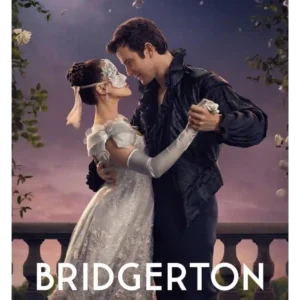
Araminta is often praised as a more layered and empathetic villain than the Cinderella template requires, though some late antics still feel cartoonish.
Pros: entertainment value, story quality
Cons: plot originality, writing quality

Constance works best as a clear, hiss-worthy antagonist, with Anderson’s controlled menace earning praise. Some critics still find the character too flat or cartoonishly evil.
Pros: main cast performance, production design
Cons: character development, season pacing

Creature design is frequently praised, especially the ghostly and plant-based threats, but the villain material is not universally successful. Some viewers find the antagonists fresh and striking, while one reaction...
Pros: animation quality, acting quality
Cons: story quality, character development

The new Italian threat works better for some reviewers than others. Marco brings menace and scale, but one critic finds the season’s new kingpin far less intriguing than earlier antagonists.
Pros: story quality, renewal interest
Cons: season pacing, plot clarity

The wealthy Crocker family gives the town a recognizable human threat. Its greed is often criticized as conventional or cartoonishly underdeveloped.
Pros: entertainment value, main cast performance
Cons: writing quality, season pacing

The mean-girl material is one of the weaker character elements, with Britney criticized as paper-thin or lacking development in some takes.
Pros: sports storyline quality, character development
Cons: romance quality, plot originality

The master-villain material is a low point for the harshest critic, who finds the reveal melodramatic, cartoonish, and far too predictable.
Pros: entertainment value, acting quality
Cons: faithfulness to source material, season length