Best for villain quality
Outlander: Blood of My Blood, Season 2
4.8 attribute score
Highest scored product for this attribute based on supporting review evidence.

Highest scored product for this attribute based on supporting review evidence.
Balances the attribute score, supporting reviews, and overall product strength.
Has the broadest review evidence for this attribute.
Strongest overall product among items with scored evidence for this attribute.

Overall: 4.4/5
The antagonistic figures are effective because they can be sinister without becoming flat; Lord Lovat in particular remains disturbing while showing enough complexity to stay compelling.
Pros: character development, story quality
Cons: plot originality, realism
Overall: 3.6/5
Landry's increasingly unhinged behavior and Oliver's parallels with Reece make them compelling adversaries. The praised portrayals give the conspiracy a more personal threat.
Pros: action sequence quality, character development
Cons: season pacing, originality

Overall: 4.2/5
Liston is praised as a wounded, tragic rival rather than a one-note obstacle. His inner life makes the eventual contest more meaningful.
Pros: main cast performance, biographical depth
Cons: originality, episode pacing
Overall: 3.4/5
Sauron stands out as a devious, occasionally vulnerable central threat, and his cruelty lends urgency to the season.
Pros: romance quality, Narrative structure
Cons: entertainment value, story quality
Overall: 4.2/5
Thragg is the clear villain standout, praised as menacing, intimidating, and worth the buildup. Lesser antagonists are more uneven, with a few side villains dismissed as boring or underdeveloped.
Pros: story quality, character development
Cons: animation quality, season pacing
Overall: 4.0/5
Moriarty’s reinvention is widely praised as fresh and compelling, but his late movement toward villainy can feel rushed and inconsistent to some reviewers.
Pros: entertainment value, cast chemistry
Cons: faithfulness to source material, plot clarity
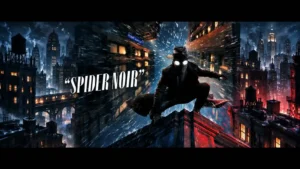
Overall: 4.0/5
Silvermane and the altered rogues gallery offer menace and surprising pathos, but thin characterization and abrupt payoffs remain complaints.
Pros: main cast performance, acting performance
Cons: story quality, season pacing
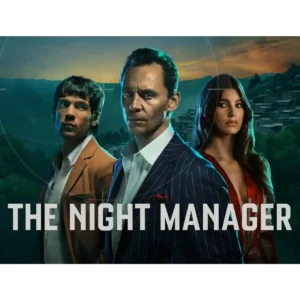
Overall: 3.9/5
Teddy is magnetic and vulnerable for many reviewers, while others see him as a generic Roper substitute. Roper’s return restores menace for some but becomes cartoonish for others.
Pros: entertainment value, renewal interest
Cons: finale satisfaction, plot originality
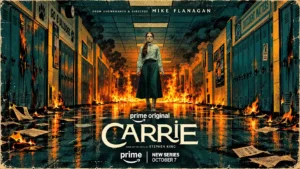
Overall: 4.0/5
Chris can be vicious without becoming a simple caricature, and her backstory often strengthens the conflict. Giving antagonists too much sympathy can diminish their menace.
Pros: main cast performance, character development
Cons: story quality, finale satisfaction
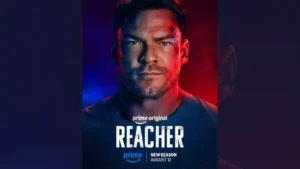
Overall: 3.8/5
The Hoths split reviewers sharply: some call them vicious, fresh, and genuinely dangerous, while others find them thin, clichéd, or physically unconvincing foils for Reacher.
Pros: action quality, supporting cast performance
Cons: story quality, plot clarity
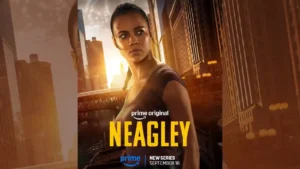
Overall: 4.1/5
Villain reception is sharply mixed. Some reviewers prefer the broader criminal web and praise Lawrence Cole, while others see the antagonists as predictable, hammy, overcrowded, or cartoonish.
Pros: main cast performance, spin-off quality
Cons: plot originality, villain quality
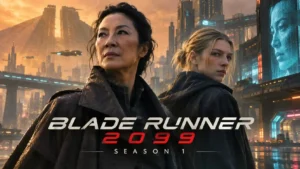
Overall: 3.9/5
Some antagonists bring effective menace or psychotic energy, while others are too familiar, flat or slow to emerge.
Pros: visual style, franchise connection
Cons: season pacing, character development

Overall: 3.7/5
The criminals can be brutal, volatile, and threatening, yet several reviewers find the crew generic, underwritten, or lacking the dark charisma of stronger heist villains.
Pros: suspense, entertainment value
Cons: season pacing, episode pacing

Overall: 2.7/5
The late-introduced villain is criticized as underdeveloped and unmemorable.
Pros: lead performance, visual style
Cons: plot twists, entertainment value