Best for writing quality
Colin From Accounts, Season 3
4.9 attribute score
Highest scored product for this attribute based on supporting review evidence.

Highest scored product for this attribute based on supporting review evidence.
Balances the attribute score, supporting reviews, and overall product strength.
Has the broadest review evidence for this attribute.
Strongest overall product among items with scored evidence for this attribute.

The scripts are praised as brilliant, hilarious and especially effective at giving the characters room to develop without losing the show's comic voice.
Pros: humor, writing quality

The writing is praised at its best as whip-smart and tightly constructed, though one review criticizes moments when supposedly savvy characters make implausibly poor decisions.
Pros: story quality, entertainment value
Cons: season pacing, visual style

The script is praised for efficient setup, purposeful progression, and engaging character work. Blunt exposition and uneven early development keep some assessments qualified.
Pros: visual style, suspense
Cons: episode pacing, season pacing
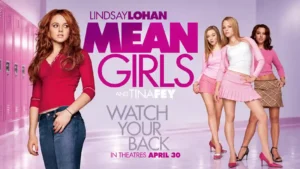
Fey’s sharp dialogue and social observation are repeatedly credited with making a familiar premise distinctive. Messy structure, moralizing, and dated stereotypes are the main objections.
Pros: humor, supporting cast performance
Cons: ending satisfaction, pacing
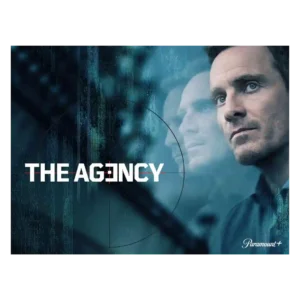
The screenplay’s best moments come through tense interrogations, precise character work, and scenes that turn bureaucracy into drama. Its weaker moments involve dull villains or predictable mission beats.
Pros: acting quality, season pacing

The simple script focuses on shared survival and affection. Praise for its emotional clarity sits beside criticism of convenient devices and repeated calamities.
Pros: cinematography, emotional impact
Cons: story quality, pacing

The script is strongly praised by an enthusiastic fantasy fan. Another assessment finds the season’s plot routine despite its lively comedic writing.
Pros: humor, faithfulness to source material
Cons: visual style, tone consistency

The screenplay stumbles most around Carter and Oreana’s teen-romance material. Reviewers who liked other parts of the show still called that subplot weak, dull, or hard to sit through.
Pros: spin-off quality, main cast performance
Cons: episode pacing, entertainment value

One early-episode review praised the script for handling sudden loss, family dynamics, and the city-to-Montana transition effectively.
Pros: cast chemistry, humor
Cons: story quality, writing quality

Screenplay reactions are mixed, with some scripts faulted at the concept level while stronger episodes benefit from clearer structure and sharper character turns.
Pros: entertainment value, humor
Cons: genre satisfaction, story quality

Specific screenplay choices draw criticism when elaborate honeypot setups or flashback plotting feel weaker than simpler alternatives. The sharp ideas are often buried beneath too much setup or explanation.
Pros: action quality, main cast performance
Cons: dialogue quality, episode structure

The screenplay has a strong premise and occasional structure, yet many critics fault shortcuts, weak connective tissue, clichés, and underdeveloped moral questions. The writing is often seen as the main...
Pros: chemistry between characters, acting performance
Cons: entertainment value, historical accuracy
The screenplay is the central weakness: generic structure, thin characters, exposition dumps, inconsistent rules, and a weak finale repeatedly undercut the direction.
Pros: visual style, directing quality
Cons: scares, story quality

The script has a few clever concepts but relies too heavily on recognition, repeated bits, and surface-level references. Many setups are stretched past their punchlines or never develop into proper...
Pros: ending satisfaction, acting performance
Cons: humor, plot clarity

Two critics call the scripts fundamentally weak and too dependent on clichés.
Pros: guest appearances, acting quality
Cons: humor, fourth-wall narration