Best for humor
Lioness, Season 3
5.0 attribute score
Highest scored product for this attribute based on supporting review evidence.

Highest scored product for this attribute based on supporting review evidence.
Balances the attribute score, supporting reviews, and overall product strength.
Has the broadest review evidence for this attribute.
Strongest overall product among items with scored evidence for this attribute.
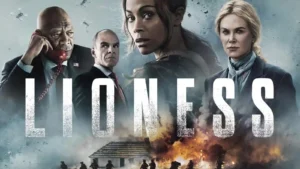
Humor remains useful even as the season gets darker. Light banter and comic beats help release pressure without fully breaking the thriller tone.
Pros: action quality, main cast performance
Cons: dialogue quality, episode structure

The final season keeps the show's comic identity intact, drawing praise for sharp banter, cringe situations, political jokes and even its raunchier punchlines.
Pros: humor, writing quality
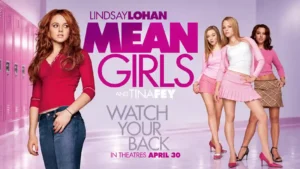
Caustic satire, clever barbs, and deadpan supporting performances produce many of the strongest reactions. Dated stereotypes, occasional slapstick, and a softer final act limit the comedy for some viewers.
Pros: humor, supporting cast performance
Cons: ending satisfaction, pacing
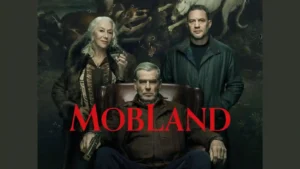
Dark humor is a major draw for many reviewers, especially when brutality and absurdity collide. Detractors find the jokes, banter, and profanity strained rather than funny.
Pros: story quality, entertainment value
Cons: season pacing, visual style

Simmons supplies a brief, welcome bit of levity before the trek turns grim.
Pros: cinematography, emotional impact
Cons: story quality, pacing

Small asides, Pavi’s odd habits, and playful pairings preserve much of the franchise’s comic charm. Some jokes miss, and a few critics find quips undermine the danger or lack the...
Pros: visual style, suspense
Cons: episode pacing, season pacing
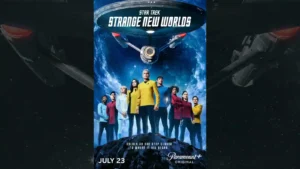
Comedy is often a highlight, from Spock and Pike’s fantasy doubles to the stoner-style episode, but some parody-heavy installments are described as painfully unfunny.
Pros: entertainment value, humor
Cons: genre satisfaction, story quality
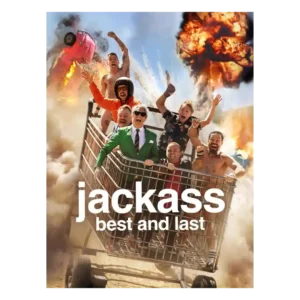
Classic bits remain reliable laugh generators, and several new stunts reach inspired slapstick heights. The heavy reliance on feces and rectal jokes is the most common comedic turnoff.
Pros: entertainment value, emotional impact
Cons: originality, action sequences

The lighter material often provides welcome relief from the grief, especially through Russell McIntosh and the fish-out-of-water situations. Some critics found the jokes awkwardly placed or too broad.
Pros: cast chemistry, humor
Cons: story quality, writing quality
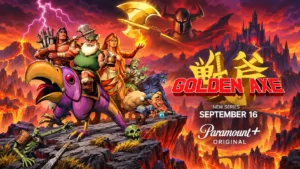
The fast, self-aware jokes divide viewers sharply: some find the fantasy parody hilarious and unexpectedly warm, while others find it stale or abrasive. Even fans often need a few episodes...
Pros: humor, faithfulness to source material
Cons: visual style, tone consistency

The humor mostly comes from Scarpa’s blunt personality and the mismatched-pair banter. Several critics welcome that relief, though one moral review objects to making his amorality a source of laughs.
Pros: chemistry between characters, acting performance
Cons: entertainment value, historical accuracy
Small jokes, campy lines, and accidental silliness provide occasional amusement. For some viewers, its strongest comic value is as a knowingly bad group watch.
Pros: visual style, directing quality
Cons: scares, story quality
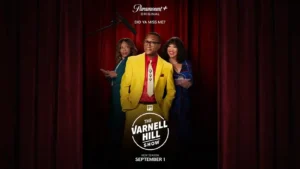
The comedy is sharply divisive: a few viewers laugh often or enjoy isolated bits, while many find the punchlines dated, forced, and rarely funny.
Pros: guest appearances, acting quality
Cons: humor, fourth-wall narration

The comedy is wildly inconsistent. Inspired sight gags, fourth-wall jokes, and committed delivery earn real laughs, but the rapid-fire barrage contains far more stale, obvious, stretched, or recycled punchlines.
Pros: ending satisfaction, acting performance
Cons: humor, plot clarity