Best for writing quality
A Knight of the Seven Kingdoms, Season 1
5.0 attribute score
Highest scored product for this attribute based on supporting review evidence.

Highest scored product for this attribute based on supporting review evidence.
Balances the attribute score, supporting reviews, and overall product strength.
Has the broadest review evidence for this attribute.
Strongest overall product among items with scored evidence for this attribute.
The script is praised for being tight, confident, and willing to trust character moments rather than constantly reaching for spectacle or exposition.
Pros: story quality, entertainment value
Cons: violence level, editing quality

Writing receives broad praise for sharp jokes, meaningful callbacks and long-term character payoffs. Reservations focus more on softened conflict and late plot choices than on the line-by-line craft.
Pros: humor, finale satisfaction
Cons: realism, season pacing

One full-series assessment calls the writing top-notch, praising how the script handles midlife crisis, friendship, and emotional discomfort without feeling manipulative.
Pros: main cast performance, humor
Cons: genre satisfaction, episode pacing

The scripts are praised for tight episodic construction, sharp comic beats, and a strong sense of narrative flow.
Pros: theme depth, humor
Cons: character consistency
The scripts can be sharp and character-aware, especially when exposing vulnerability, but one critic finds some flourishes glib. The writing is strongest when it lets legal strategy reveal personality.
Pros: acting quality, entertainment value
Cons: finale satisfaction, realism

Writing is admired for its structure, empathy, and smart second-season choices, but not without caveats. Several reviewers mention occasional didacticism, heavy-handedness, or melodramatic lines.
Pros: realism, emotional impact

The screenplay draws opposite reactions: one take praises an airtight, fast-moving narrative, while another argues that a movie-sized script has been stretched across six episodes.
Pros: visual style, character development
Cons: faithfulness to source material, season pacing
The pilot’s scripts are praised as tight, quippy and efficient, helping familiar campus-comedy conventions feel fresher.
Pros: entertainment value, humor
Cons: story quality, modern political framing

Writing and storytelling are split between praise for clarity and criticism of messiness. Some found the material well unpacked; others felt it skipped past the hardest explanatory questions.
Pros: story quality, audience appeal
Cons: plot clarity, writing quality

The screenplay’s densest material is praised for layering social ills, psychology, dialogue, and silence into a coherent whole that overcomes occasional pacing flaws.
Pros: theme depth, emotional impact
Cons: audience appeal, writing quality

The writing is highly divisive: some episodes are praised as clever, outstanding, and carefully constructed, while others are condemned for exposition, forced character logic, and heavy-handed themes.
Pros: character development, cast chemistry
Cons: faithfulness to source material, story quality
Script reactions are mixed, ranging from a strong pilot to complaints about contrivance and implausible dialogue.
Pros: genre satisfaction, acting quality
Cons: writing quality, CGI quality
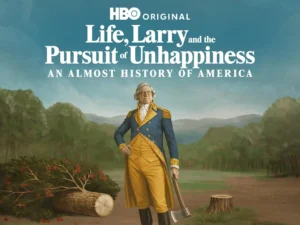
Writing is the most persistent weakness. Reviews repeatedly cite recycled Curb bits, stale sketches, thin material, and jokes that do not build far enough.
Pros: supporting cast performance, audience appeal
Cons: humor, writing quality

One critic finds the later storytelling less punchy and increasingly overstuffed, arguing that too many strange characters and anecdotes are forced into the central narrative.
Pros: theme depth, story quality
Cons: season length, franchise connection