Best for directing quality
The Madison, Season 1
5.0 attribute score
Highest scored product for this attribute based on supporting review evidence.

Highest scored product for this attribute based on supporting review evidence.
Balances the attribute score, supporting reviews, and overall product strength.
Has the broadest review evidence for this attribute.
Strongest overall product among items with scored evidence for this attribute.

Christina Alexandra Voros earns consistent praise for making the drama feel immersive and visually controlled. Her direction is credited with adding momentum, atmosphere, and emotional force beyond the script.
Pros: cast chemistry, humor
Cons: story quality, writing quality

David Ayer handles the stripped down survival story with skill, though the ending and familiar plot leave a few viewers wanting more restraint.
Pros: cinematography, emotional impact
Cons: story quality, pacing

The final season's directors are praised for preserving the series' seemingly effortless rhythm.
Pros: humor, writing quality
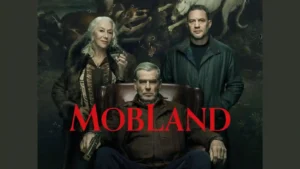
Guy Ritchie’s premiere direction is praised for combining menace, swagger, violence, and darkly funny understatement with confidence.
Pros: story quality, entertainment value
Cons: season pacing, visual style
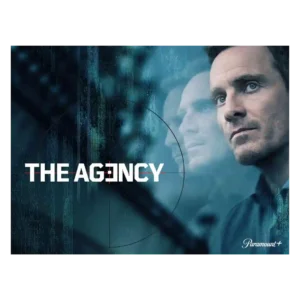
Direction is praised when action and suspense emphasize consequence over empty spectacle. The show’s visual control and handling of tense set pieces help quieter scenes carry thriller energy.
Pros: acting quality, season pacing

Elegance Bratton earns strong marks for visual control, clear staging, and energetic crime-thriller craftsmanship. Some critics still feel the execution becomes blunt or paint-by-numbers when handling the larger historical and...
Pros: chemistry between characters, acting performance
Cons: entertainment value, historical accuracy
André Øvredal’s command of light, timing, camera movement, and spatial tension repeatedly elevates the material. Even negative reviews tend to find his set-piece direction more accomplished than the script.
Pros: visual style, directing quality
Cons: scares, story quality
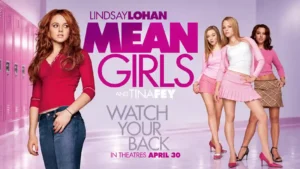
Waters often earns credit for natural comic timing and sympathetic characters. Some find the filmmaking visually ordinary or the staging too convenient for the jokes.
Pros: humor, supporting cast performance
Cons: ending satisfaction, pacing
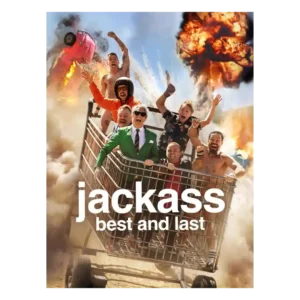
Jeff Tremaine gives the archival material thoughtful layering and the bookends a polished cinematic finish. The overall farewell can still feel hastily assembled and less inspired than earlier entries.
Pros: entertainment value, emotional impact
Cons: originality, action sequences
Direction ranges from nimble comic staging to choices some reviewers call uninspired, making the execution as variable as the season’s concepts.
Pros: entertainment value, humor
Cons: genre satisfaction, story quality

Direction varies noticeably by episode. Some structural choices create strong ticking-clock momentum, while the most graphic torture staging and a few talk-heavy episodes are criticized as blunt, passive, or undistinguished.
Pros: action quality, main cast performance
Cons: dialogue quality, episode structure
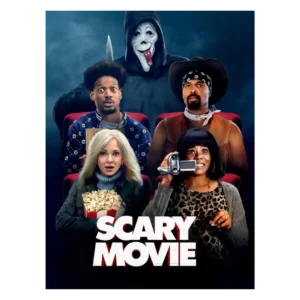
Michael Tiddes keeps the references visually legible but struggles to impose rhythm, focus, or connective tissue on the overloaded material.
Pros: ending satisfaction, acting performance
Cons: humor, plot clarity