
Constant perspective changes, reaction shots, and questions about what is genuine reward full attention. Half-watching would blunt its surprises and philosophical puzzles.
Pros: originality, humor

Constant perspective changes, reaction shots, and questions about what is genuine reward full attention. Half-watching would blunt its surprises and philosophical puzzles.
Pros: originality, humor

The small handmade details and subtle moments reward uninterrupted attention. A large screen and freedom from distractions help viewers appreciate the film’s cinematic construction.
Pros: entertainment value, archival footage quality
Cons: theme depth, runtime

The film rewards intent attention to its intimate images and remorseful perspective. Focused watching becomes a way to engage with its difficult meditation on grief.
Pros: emotional impact, theme depth

Full attention makes the illuminated passages and interconnected clues rewarding to follow. This is an active reading-and-watching experience that offers little room for distraction.
Pros: Atmosphere, cinematography
Cons: audience appeal

The film rewards pausing to look, listen, and consider the natural world. Its emphasis on attentiveness suits viewers seeking deliberate reflection.
Pros: directing quality, interview quality
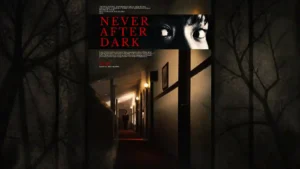
Subtle gestures, reflected shapes, and indirect visual clues reward full attention. Watching free of distractions helps the steady accumulation of dread register.
Pros: directing quality, scares

The absence of present-day talking heads leaves room to connect old material with the concert. That reflective structure rewards viewers who enjoy making those connections themselves.
Pros: soundtrack quality, Biographical coverage
Cons: band member coverage, Biographical fairness

Keeping track of the shifting timelines and correspondence pays off as old assumptions are overturned. The opening leaps can be confusing unless watched attentively.
Pros: emotional impact, cultural representation
Cons: score quality, character development