Best for directing quality
Paper Tiger
5.0 attribute score
Highest scored product for this attribute based on supporting review evidence.

Highest scored product for this attribute based on supporting review evidence.
Balances the attribute score, supporting reviews, and overall product strength.
Has the broadest review evidence for this attribute.
Strongest overall product among items with scored evidence for this attribute.

Overall: 4.1/5
Directing quality comes across as a notable strength, adding to the film’s gritty family-centered crime story.
Pros: suspense, cinematography
Cons: Medical subplot integration, originality
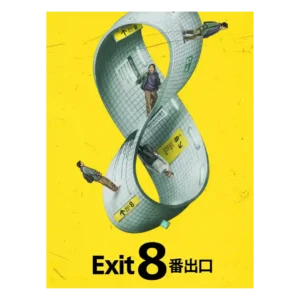
Overall: 4.2/5
Genki Kawamura is repeatedly praised for controlling tension, perspective, and repetition with unusual precision. The direction makes a minimal premise feel cinematic rather than merely copied from a game.
Pros: story quality, theme depth
Cons: pacing
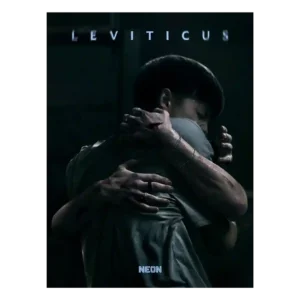
Overall: 4.2/5
Adrian Chiarella’s debut is widely regarded as assured, sensitive, and controlled. He handles intimacy and dread especially well, even when the screenplay’s rules or side characters are less polished.
Pros: acting performance, chemistry between characters
Cons: originality, pacing
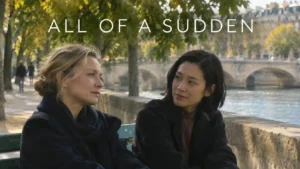
Overall: 4.4/5
Patient staging, restrained emotion and expressive camera placement make everyday encounters compelling. The approach can become overly academic or idealistic.
Pros: friendship portrayal, message quality
Cons: Exposition quality, ensemble balance

Overall: 4.1/5
McCarthy’s command of space, anticipation, and disturbing reveals earns strong praise. The recurring reservation is that his assured set pieces deserve a more focused script.
Pros: acting performance, lead performance
Cons: pacing, story quality

Overall: 3.3/5
Na Hong-jin’s direction draws strong praise for assured genre filmmaking and exceptionally staged chases, even from reviewers who dislike parts of the finished movie.
Pros: action sequences, humor
Cons: CGI quality, ending satisfaction

Overall: 3.8/5
Mungiu’s controlled staging and observational long takes receive substantial admiration. The main reservation concerns whether his selective framing allows a fair moral inquiry or quietly predetermines the answer.
Pros: theme depth, lead performance
Cons: message quality, character development