Best for temperature range
Cosori TurboBlaze
5.0 attribute score
Highest scored product for this attribute based on supporting review evidence.

Highest scored product for this attribute based on supporting review evidence.
Balances the attribute score, supporting reviews, and overall product strength.
Has the broadest review evidence for this attribute.
Strongest overall product among items with scored evidence for this attribute.
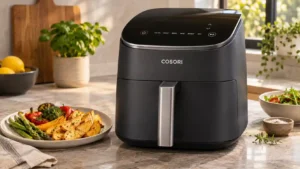
Overall: 4.6/5
High broiling heat and gentle low-temperature modes create unusual flexibility for frying, proofing, and drying.
Pros: crisping ability, cooking speed
Cons: Finish resistance to smudges, Shake reminder
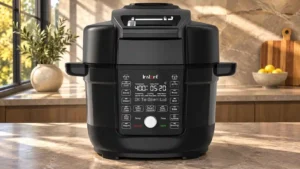
Overall: 3.4/5
The wide temperature range accommodates low-temperature tasks as well as air frying, though some rivals offer higher maximum heat.
Pros: Air-fryer hood handling, cooking versatility
Cons: ease of cleaning, Storage convenience
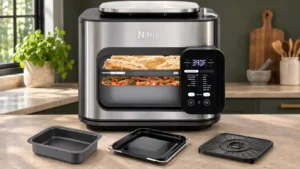
Overall: 3.7/5
The wide temperature range supports alternative methods.
Pros: cooking versatility, overall satisfaction
Cons: footprint size, Cooking-time estimate predictability
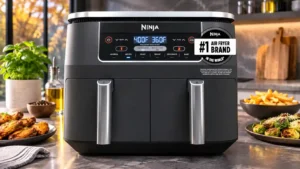
Overall: 4.1/5
The broad temperature span supports low-temperature dehydrating and hotter broiling for different cooking jobs.
Pros: basket design, Dual-zone cooking synchronization
Cons: footprint size, noise level

Overall: 4.2/5
A 450°F ceiling is a significant advantage for frozen foods, while lower settings enable gentler cooking and dehydrating.
Pros: overall satisfaction, crisping ability
Cons: basket capacity, Cooking without shaking or flipping
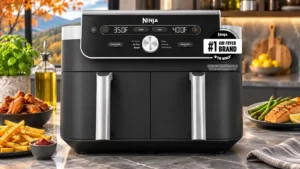
Overall: 3.9/5
The broad 105°F to 450°F range accommodates gentle fruit drying and high-heat browning. Having both extremes makes the six programs substantially more flexible.
Pros: overall satisfaction, ease of cleaning
Cons: footprint size, basket design
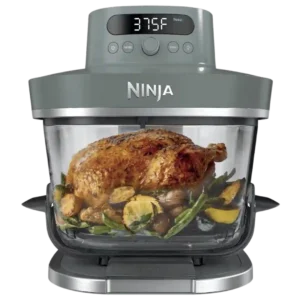
Overall: 4.2/5
The wide temperature range is highly valued for proofing, dehydrating and aggressive crisping, with reviewers praising the added precision over the original model.
Pros: overall satisfaction, ease of cleaning
Cons: included accessories, reliability
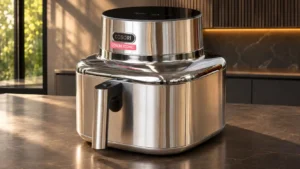
Overall: 4.3/5
The broad 90–450°F overall range supports low-temperature proofing and high-heat crisping, with limits depending on the mode.
Pros: appearance, ease of cleaning
Cons: Finish resistance to smudges, value for money
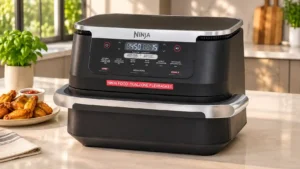
Overall: 4.0/5
A low minimum and high broil setting make it useful for gentle dehydration as well as fast browning and crisping.
Pros: basket design, basket capacity
Cons: footprint size, handle comfort

Overall: 4.1/5
A wide temperature range supports both high-heat frying and gentler methods such as dehydrating and baking.
Pros: appearance, overall satisfaction
Cons: controls, footprint size
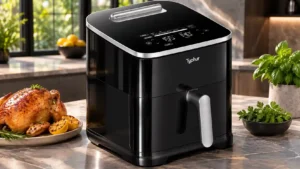
Overall: 4.4/5
The broad low-to-high temperature range supports gentle dehydrating as well as high-temperature browning and searing.
Pros: Meat thermometer convenience, basket capacity
Cons: footprint size, Setup simplicity

Overall: 4.2/5
A wide spread of low and high heat supports dehydrating, proofing, crisping, and browning beyond basic frying.
Pros: basket capacity, overall satisfaction
Cons: footprint size, value for money
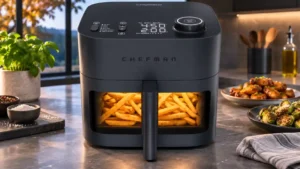
Overall: 4.0/5
The high-temperature finish and low-temperature drying settings give it a broad cooking range, although each mode has its own limits.
Pros: visibility while cooking, basket capacity
Cons: Cooking without shaking or flipping, footprint size
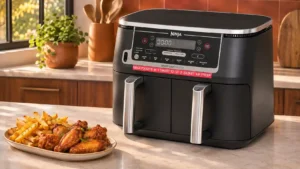
Overall: 4.0/5
A broad set of temperatures supports crisping, broiling, and drying foods, although the maximum depends on which zones are in use.
Pros: Dual-zone cooking synchronization, basket capacity
Cons: footprint size, basket design
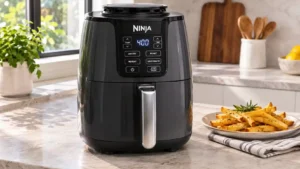
Overall: 4.0/5
The wide low-to-high range supports everyday frying and unusually useful low-temperature dehydration, although it lacks the highest-heat settings on some newer models.
Pros: overall satisfaction, ease of cleaning
Cons: basket capacity, basket design
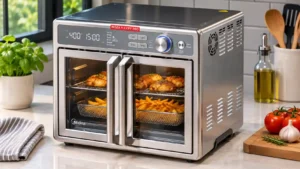
Overall: 3.9/5
The broad temperature range supports everything from gentle warming and dehydration to hotter baking and broiling.
Pros: basket capacity, cooking versatility
Cons: footprint size, Fan speed flexibility
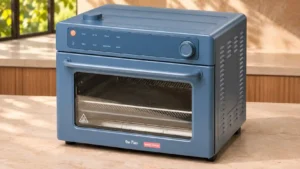
Overall: 4.3/5
The expanded low-temperature range makes proofing and dehydrating practical.
Pros: cooking versatility, controls
Cons: footprint size, ease of cleaning
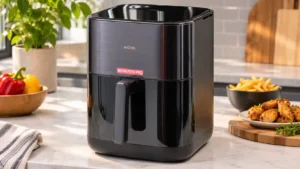
Overall: 4.3/5
The temperature range handles most everyday recipes, but its lower limit is less useful for delicate low-temperature tasks.
Pros: overall satisfaction, air frying performance
Cons: dishwasher-safe parts, Crisper plate fit and removal
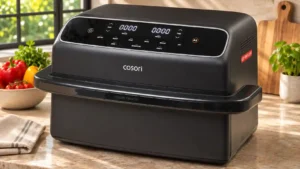
Overall: 3.5/5
The 95–465°F range supports low-temperature drying and high-heat broiling, a standout span for an air fryer.
Pros: basket design, basket capacity
Cons: footprint size, ease of cleaning
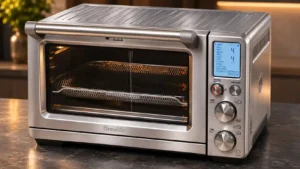
Overall: 4.2/5
A wide temperature range supports low-temperature proofing and dehydration as well as higher-temperature roasting. One tester wanted a higher ceiling for searing and pizza.
Pros: smart features, cooking versatility
Cons: value for money, footprint size
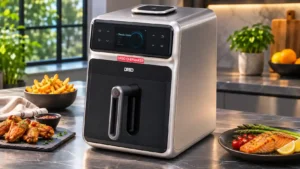
Overall: 4.4/5
The broad temperature selection helps accommodate everything from gentle cooking to high-heat crisping. It offers more flexibility than basic one-speed, limited-range fryers.
Pros: food texture quality, app connectivity
Cons: basket capacity, temperature accuracy
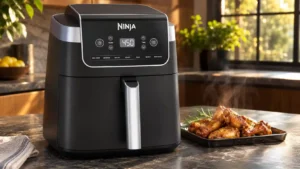
Overall: 3.7/5
The broad spread from low-temperature drying to 450°F crisping is useful, but 450°F is locked to Max Crisp and there is a gap in the adjustable range.
Pros: overall satisfaction, basket capacity
Cons: even cooking, customization options
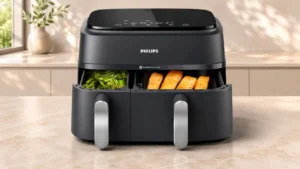
Overall: 3.9/5
The broad low-temperature range is useful, but the 400°F ceiling limits high-heat crisping compared with hotter models.
Pros: basket design, basket capacity
Cons: footprint size, Finish resistance to smudges
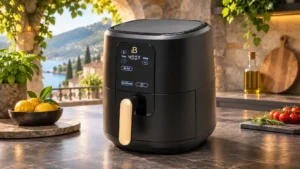
Overall: 4.0/5
Fine increments and low dehydrate settings offer flexibility, but the 400°F upper limit is lower than some rivals and restricts intense browning.
Pros: appearance, overall satisfaction
Cons: footprint size, display readability
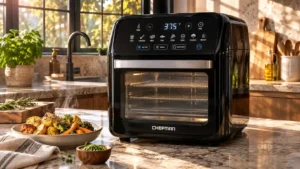
Overall: 3.6/5
Low settings make dehydration viable, but the 400°F maximum and limited fan control restrict high-heat browning and certain alternate methods.
Pros: basket capacity, cooking versatility
Cons: ease of cleaning, footprint size
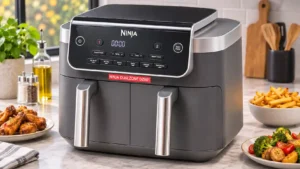
Overall: 3.3/5
The six modes cover low-temperature dehydrating and hotter roasting or broiling. Reports differ on the maximum in some listings, so the precise program matters.
Pros: Dual-zone cooking synchronization, Match Cook settings copying
Cons: basket capacity, footprint size
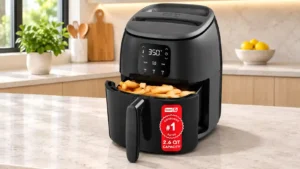
Overall: 4.2/5
The adjustable temperature range is useful for reheating and browning, but the maximum heat can be insufficient for crisping fatty meats.
Pros: footprint size, overall satisfaction
Cons: basket capacity, crisping ability
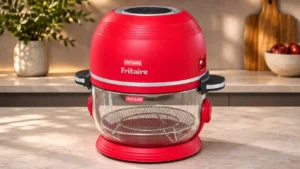
Overall: 3.2/5
A broad temperature range supports different tasks, but actual temperature performance can limit its usefulness.
Pros: Self-cleaning effectiveness, visibility while cooking
Cons: ease of cleaning, even cooking
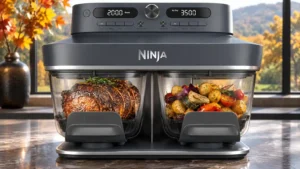
Overall: 3.6/5
The broad set of temperatures supports high-heat crisping and gentler cooking methods. However, a tester could not adjust the Max Crisp temperature as expected, limiting fine control.
Pros: Dual-zone cooking synchronization, Storage convenience
Cons: footprint size, value for money

Overall: 3.9/5
The high end is useful for grilling and toasting, but the 200°F minimum is too warm for dough proofing and dehydrating.
Pros: overall satisfaction, appearance
Cons: value for money, timer function
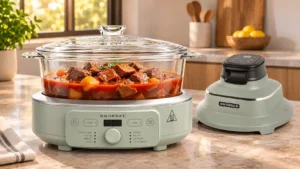
Overall: 3.9/5
The air-fryer hood tops out at 450°F, which is ordinary for the category but can be restrictive for certain recipes.
Pros: cooking versatility, materials quality
Cons: Temperature adjustment precision, ease of use

Overall: 3.9/5
The 200–400°F range covers common frying tasks but limits gentler and hotter cooking methods. Some cooks appreciate the adjustment available, while comparative testing finds the range restrictive.
Pros: basket capacity, crisping ability
Cons: cooking versatility, temperature range
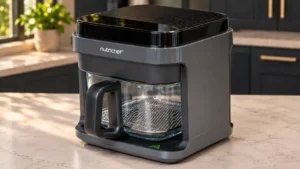
Overall: 4.1/5
The temperature ceiling limits high-heat crisping and searing, and the minimum is too high for effective dehydration in lab testing.
Pros: overall satisfaction, visibility while cooking
Cons: Basket weight and handling, cooking speed
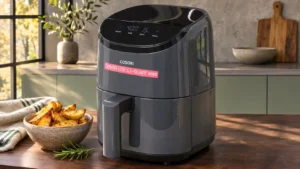
Overall: 4.0/5
The 170–400°F range handles common snacks but cannot reach the very low temperatures needed for dehydrating or dough proofing.
Pros: controls, footprint size
Cons: basket capacity, cooking speed
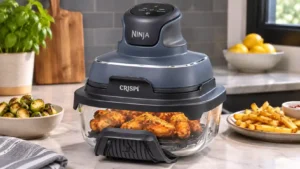
Overall: 3.5/5
The available heat range works well for rapid crisping but offers too little low-temperature flexibility for gentle recipes.
Pros: ease of cleaning, food texture quality
Cons: cooking speed, Temperature adjustment precision

Overall: 3.9/5
The available heat range supports everyday roasting and dehydration, but the 400°F upper limit rules out hotter 450°F finishing programs. Broiling and hard searing are weaker fits.
Pros: basket capacity, overall satisfaction
Cons: noise level, temperature range
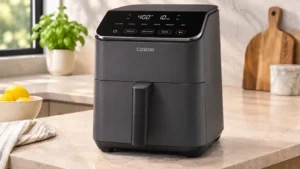
Overall: 4.0/5
The upper limit is sufficient for many everyday foods, but the relatively high minimum and modest maximum restrict low-temperature cooking and some high-heat tasks.
Pros: overall satisfaction, even cooking
Cons: value for money, footprint size
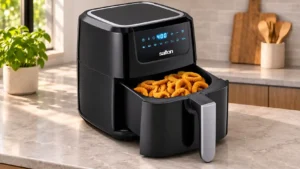
Overall: 3.1/5
The narrow temperature range limits cooking techniques beyond basic air frying.
Cons: cooking speed, cooking versatility
Overall: 3.6/5
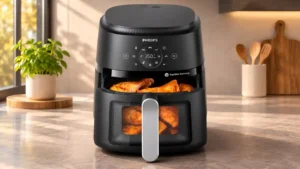
The temperature range covers ordinary air frying but is too limited for dehydration and quick high-heat searing.
Pros: overall satisfaction, visibility while cooking
Cons: Basket cooking surface area, Cooking without shaking or flipping
Overall: 3.6/5
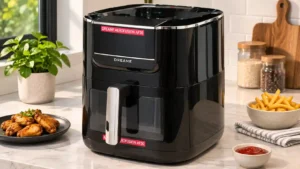
The 400°F maximum rules out some higher-heat recipes available on rival air fryers.
Pros: overall satisfaction
Overall: 4.4/5
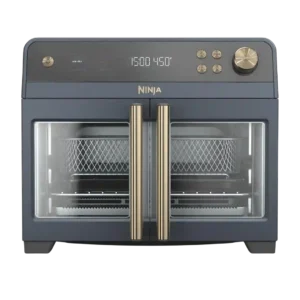
One owner reported that higher settings were practically unusable because food burned above roughly 310–320°F. That experience conflicts sharply with the advertised high-temperature capability.
Pros: ease of cleaning, ease of use
Cons: exterior heat management, dishwasher-safe parts