Best for Food dehydrating
Ninja DualZone Pro DZ950
4.8 attribute score
Highest scored product for this attribute based on supporting review evidence.

Highest scored product for this attribute based on supporting review evidence.
Balances the attribute score, supporting reviews, and overall product strength.
Has the broadest review evidence for this attribute.
Strongest overall product among items with scored evidence for this attribute.

Overall: 3.9/5
Low-temperature settings can produce crisp dried apple chips over long cycles, and the separate baskets allow two batches at once. It's a credible option for fruit dehydration.
Pros: overall satisfaction, ease of cleaning
Cons: footprint size, basket design

Overall: 4.1/5
Low-temperature drying adds value for fruit chips and jerky, though longer cycles are part of the process.
Pros: basket design, Dual-zone cooking synchronization
Cons: footprint size, noise level

Overall: 3.6/5
The low-temperature dehydrate program and multiple racks work well for fruit, herbs, and small jerky batches. It cannot match the tray count of a large dedicated dehydrator.
Pros: basket capacity, cooking versatility
Cons: ease of cleaning, footprint size
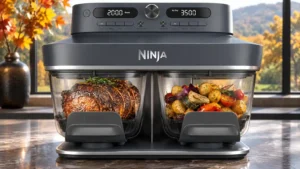
Overall: 3.6/5
The dehydrate mode produced tasty jerky and encouraged experimentation with fruits and tomatoes. Slow, multi-hour cycles mean it is not useful for preparing an instant snack.
Pros: Dual-zone cooking synchronization, Storage convenience
Cons: footprint size, value for money

Overall: 4.4/5
Low heat and gentler airflow provide a useful dehydrating option alongside standard frying, without much specific food-drying testing.
Pros: Meat thermometer convenience, basket capacity
Cons: footprint size, Setup simplicity

Overall: 3.7/5
The low-temperature Dehydrate function broadens its usefulness for fruit and similar foods; it is better suited to modest projects than large-scale drying.
Pros: overall satisfaction, basket capacity
Cons: even cooking, customization options

Overall: 4.6/5
The lower-temperature drying mode can make chewy dried fruit and vegetable snacks, although results and run times vary.
Pros: crisping ability, cooking speed
Cons: Finish resistance to smudges, Shake reminder
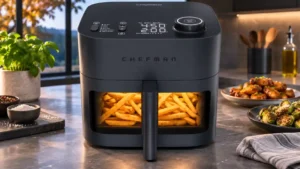
Overall: 4.0/5
Fruit dried with appealing chew and flavor, and low-temperature controls suit occasional dehydrating. The single tray area limits how much can be dried at once.
Pros: visibility while cooking, basket capacity
Cons: Cooking without shaking or flipping, footprint size

Overall: 3.9/5
Low temperatures and a Dehydrate program make dried fruit and other small projects practical. Larger batches take patience, and it does not fully replace a dedicated dehydrator.
Pros: basket capacity, overall satisfaction
Cons: noise level, temperature range

Overall: 4.2/5
A sufficiently low fan setting offers dehydrating as an additional cooking option, although actual drying results receive little direct testing.
Pros: basket capacity, overall satisfaction
Cons: footprint size, value for money