Best for preset usefulness
Ninja Combi SFP701
5.0 attribute score
Highest scored product for this attribute based on supporting review evidence.

Highest scored product for this attribute based on supporting review evidence.
Balances the attribute score, supporting reviews, and overall product strength.
Has the broadest review evidence for this attribute.
Strongest overall product among items with scored evidence for this attribute.
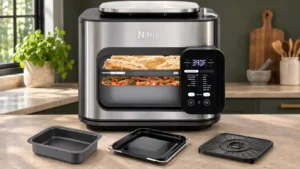
Overall: 3.7/5
Presets simplify family meals. Default proof setting works perfectly.
Pros: cooking versatility, overall satisfaction
Cons: footprint size, Cooking-time estimate predictability

Overall: 3.9/5
The cooking modes are useful enough to become part of everyday routines rather than sitting unused.
Pros: overall satisfaction, appearance
Cons: value for money, timer function
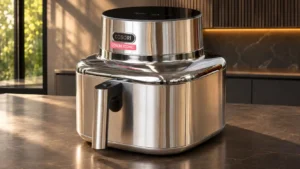
Overall: 4.3/5
Default modes and food-specific app settings make it easier to choose appropriate starting times and temperatures.
Pros: appearance, ease of cleaning
Cons: Finish resistance to smudges, value for money

Overall: 4.2/5
Max Crisp is a standout shortcut for frozen foods, with other labeled modes simplifying everyday settings. Its high fixed temperature is not ideal for every ingredient.
Pros: overall satisfaction, crisping ability
Cons: basket capacity, Cooking without shaking or flipping
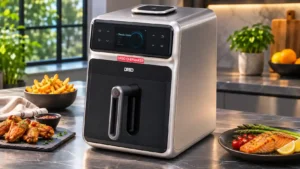
Overall: 4.4/5
Ingredient-specific Chef Mode programs reliably take much of the guesswork out of meats and fish. Certain vegetables or custom recipes need closer attention, and some automated timings can be unpredictable.
Pros: food texture quality, app connectivity
Cons: basket capacity, temperature accuracy
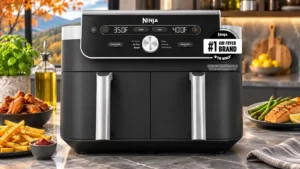
Overall: 3.9/5
Match Cook saves repeated setup when preparing two batches of the same food, while Smart Finish handles dishes with different cooking times. Both remove common meal-preparation hassles.
Pros: overall satisfaction, ease of cleaning
Cons: footprint size, basket design
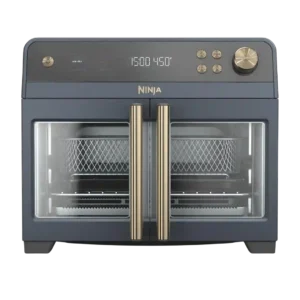
Overall: 4.4/5
Pizza, reheat, air roast, bake, and toast modes can produce excellent results. Toast settings often need to be lowered, and a minority found the non-air-fry functions less dependable.
Pros: ease of cleaning, ease of use
Cons: exterior heat management, dishwasher-safe parts
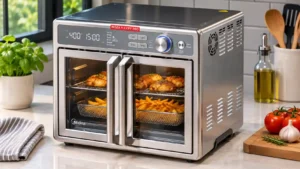
Overall: 3.9/5
Preset modes offer useful starting points for pizza, reheating, and warming. They reduce manual setup once the user learns the controls.
Pros: basket capacity, cooking versatility
Cons: footprint size, Fan speed flexibility

Overall: 4.0/5
Four straightforward modes offer convenient starting points, and settings can be tailored for repeat foods.
Pros: controls, footprint size
Cons: basket capacity, cooking speed
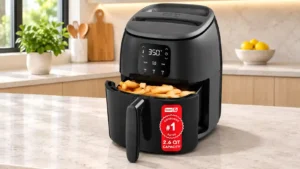
Overall: 4.2/5
Three programmable buttons provide quick access to frequently used time-and-temperature combinations rather than forcing fixed food programs.
Pros: footprint size, overall satisfaction
Cons: basket capacity, crisping ability

Overall: 4.1/5
One enthusiastic cook finds the automatic settings easy enough to make varied recipes without much effort.
Pros: appearance, overall satisfaction
Cons: controls, footprint size
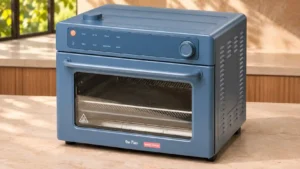
Overall: 4.3/5
The added modes are helpful, particularly for baking projects, though not everyone needs them.
Pros: cooking versatility, controls
Cons: footprint size, ease of cleaning
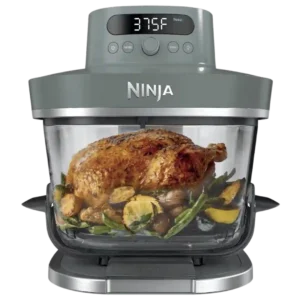
Overall: 4.2/5
Max Crisp and Recrisp receive the most consistent praise, while Roast is strong for vegetables and meats. Bake/Proof and Dehydrate work, but they are more dependent on the food and...
Pros: overall satisfaction, ease of cleaning
Cons: included accessories, reliability
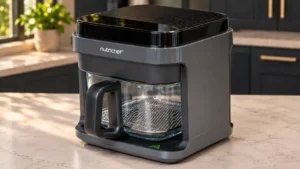
Overall: 4.1/5
Food-specific presets simplify routine cooking and provide useful starting points that can be adjusted for portion size or recipe.
Pros: overall satisfaction, visibility while cooking
Cons: Basket weight and handling, cooking speed

Overall: 3.9/5
Food-specific presets for fries, chicken, fish, and meat simplify routine meals. They are convenient, but they do not substitute for separate roast, bake, or dehydrate modes.
Pros: basket capacity, crisping ability
Cons: cooking versatility, temperature range

Overall: 4.6/5
Frozen, reheat, roast, and low-temperature settings are useful starting points, though precise times sometimes need correction.
Pros: crisping ability, cooking speed
Cons: Finish resistance to smudges, Shake reminder

Overall: 4.0/5
One-touch food programs are useful starting points and adjustable to personal preferences. Some presets run too long or require experimentation, particularly with frozen foods.
Pros: overall satisfaction, even cooking
Cons: value for money, footprint size
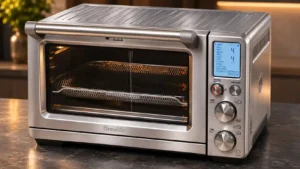
Overall: 4.2/5
Food-specific modes and adjustments are helpful, though bagel settings and some automated recipes do not always deliver the expected result.
Pros: smart features, cooking versatility
Cons: value for money, footprint size
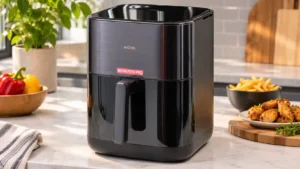
Overall: 4.3/5
Food presets reduce setup effort and often work well, but ingredient size and desired doneness can require manual adjustments.
Pros: overall satisfaction, air frying performance
Cons: dishwasher-safe parts, Crisper plate fit and removal
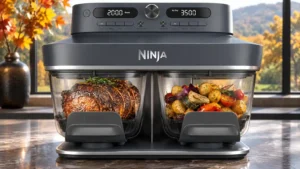
Overall: 3.6/5
Max Crisp produces welcome extra crunch and everyday Air Fry settings are useful, but ordinary presets can undercook frozen foods. Max Crisp cannot run in both zones simultaneously.
Pros: Dual-zone cooking synchronization, Storage convenience
Cons: footprint size, value for money
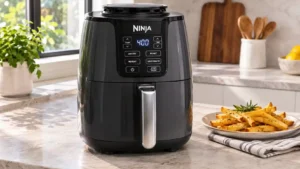
Overall: 4.0/5
The four functional modes keep cooking choices straightforward rather than burying users in food-specific presets.
Pros: overall satisfaction, ease of cleaning
Cons: basket capacity, basket design
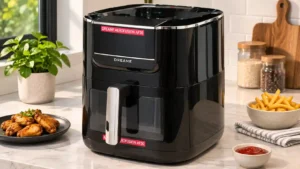
Overall: 3.6/5
The steam-fry and conventional air-fry modes have clear suggested roles, with steam-oriented choices for proteins and standard air frying for fries and frozen snacks.
Pros: overall satisfaction
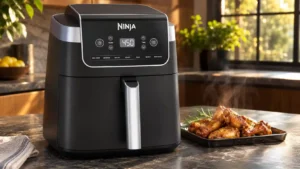
Overall: 3.7/5
The starting programs give new cooks useful time and temperature defaults, though they are not substitutes for checking food.
Pros: overall satisfaction, basket capacity
Cons: even cooking, customization options
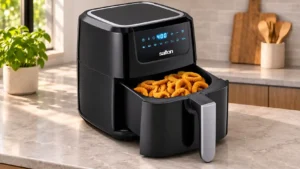
Overall: 3.1/5
Food-specific preset programs simplify choosing the initial settings.
Cons: cooking speed, cooking versatility

Overall: 3.6/5
Food-specific settings provide quick starting points, but preset temperatures and times sometimes need correction for thickness, load, or rack position.
Pros: basket capacity, cooking versatility
Cons: ease of cleaning, footprint size
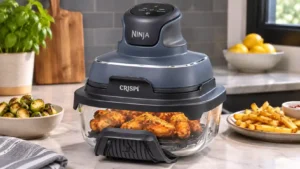
Overall: 3.5/5
Recrisp is a particular highlight for leftover pizza and snacks; other modes are useful but vary in consistency.
Pros: ease of cleaning, food texture quality
Cons: cooking speed, Temperature adjustment precision
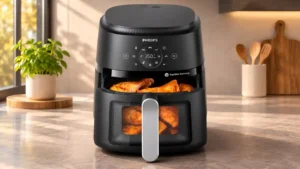
Overall: 3.6/5
Food-specific presets provide a convenient starting point, not a guarantee of doneness. Some recipes finish much sooner than the preset suggests.
Pros: overall satisfaction, visibility while cooking
Cons: Basket cooking surface area, Cooking without shaking or flipping
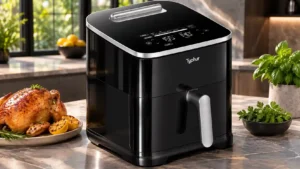
Overall: 4.4/5
Meat presets and the whole-chicken program remove much of the timing guesswork. Some wing presets need extra time or temperature to match preferred crispness.
Pros: Meat thermometer convenience, basket capacity
Cons: footprint size, Setup simplicity
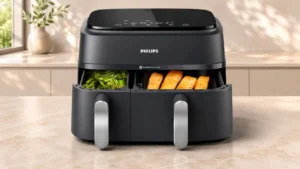
Overall: 3.9/5
Food-specific presets can produce excellent results, particularly for fries, but their timings need adjustment for portions and preference.
Pros: basket design, basket capacity
Cons: footprint size, Finish resistance to smudges
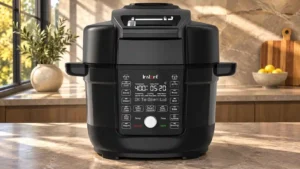
Overall: 3.4/5
Dedicated basic mode buttons are helpful, but some dry cooking presets behave similarly and offer little extra value.
Pros: Air-fryer hood handling, cooking versatility
Cons: ease of cleaning, Storage convenience

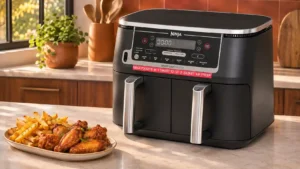
Overall: 4.2/5
Handy one-touch settings can simplify regular cooking, but fries and pizza may need temperature or time adjustments for ideal results.
Pros: basket capacity, overall satisfaction
Cons: footprint size, value for money
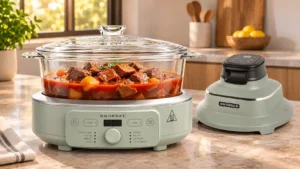
Overall: 4.0/5
Preset opinions are mixed: some appreciate the convenience, while others found the defaults burnt or undercooked food.
Pros: Dual-zone cooking synchronization, basket capacity
Cons: footprint size, basket design
Overall: 3.9/5
Automatic grain programs can produce good results, yet their completion cues and remaining-time information are poor. Close monitoring helps avoid overcooked rice.
Pros: cooking versatility, materials quality
Cons: Temperature adjustment precision, ease of use

Overall: 3.2/5
One-touch settings are convenient but can be too aggressive or insufficient for particular foods.
Pros: Self-cleaning effectiveness, visibility while cooking
Cons: ease of cleaning, even cooking
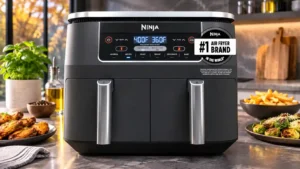
Overall: 4.1/5
Built-in cooking functions are useful for experienced cooks, but those expecting food-specific, one-tap presets may need to consult the guide.
Pros: basket design, Dual-zone cooking synchronization
Cons: footprint size, noise level

Overall: 4.0/5
Food-specific presets and convenient shake alerts are missing for some cooks. Manual time and temperature adjustments remain usable but require attention.
Pros: appearance, overall satisfaction
Cons: footprint size, display readability
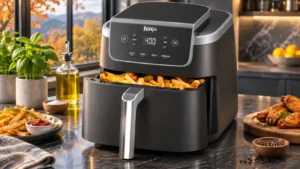
Overall: 3.9/5
The core cooking programs are useful for common meals, but suggested times can overshoot small portions. Settings also lack convenient memory on some accounts, making manual tweaks necessary.
Pros: basket capacity, overall satisfaction
Cons: noise level, temperature range
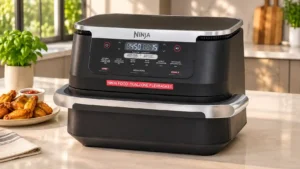
Overall: 4.0/5
The preset cooking times can be too long or intense for delicate foods, so manual adjustments often yield better results.
Pros: basket design, basket capacity
Cons: footprint size, handle comfort