Best for calorie tracking usefulness
Amazfit Helio Strap
4.8 attribute score
Highest scored product for this attribute based on supporting review evidence.

Highest scored product for this attribute based on supporting review evidence.
Balances the attribute score, supporting reviews, and overall product strength.
Has the broadest review evidence for this attribute.
Strongest overall product among items with scored evidence for this attribute.
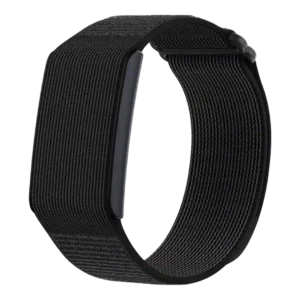
Calorie usefulness is supported mainly through the app’s food intake system, which one reviewer found unusually accurate and practically helpful.
Pros: comfort, value for money
Cons: recovery insights, charging convenience

Exercise calorie figures broadly agree with comparison devices in the tests that judge them. They form a useful part of the basic workout record.
Pros: value for money, design and appearance
Cons: contactless payments, GPS accuracy
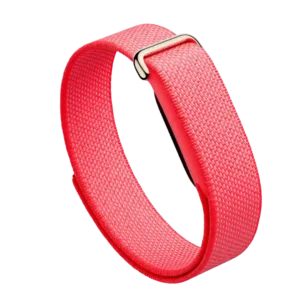
Calorie and food logging is generally useful, especially through AI/photo logging, though one reviewer disliked the hydration/logging interface.
Pros: comfort, fitness coaching
Cons: health trend insights, workout tracking accuracy
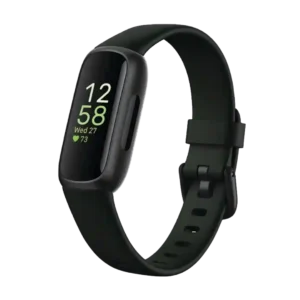
Calorie tracking was treated as useful for everyday fitness context rather than precision training, with reviewers saying the data felt meaningful enough for rough calorie burn.
Pros: battery life, value for money
Cons: subscription value, heart rate accuracy
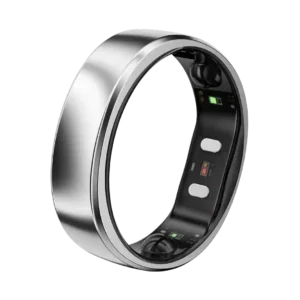
Calorie data was treated as a useful basic estimate, with one reviewer finding it close and another praising the granularity.
Pros: battery life, value for money
Cons: charging convenience, fitness coaching
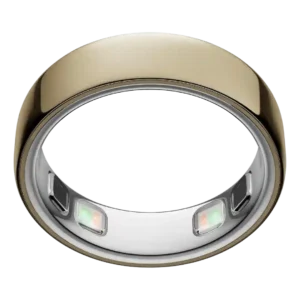
Calorie tracking was considered useful as part of weekly movement planning rather than as a standalone precision metric.
Pros: comfort, design and appearance
Cons: value for money, subscription value
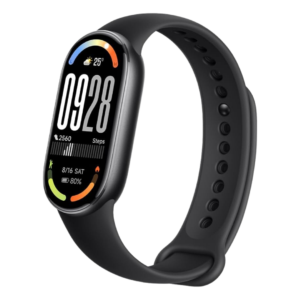
Calorie estimates were considered broadly useful for context, but reviewers treated them as estimates rather than precise measurements.
Pros: display quality, value for money
Cons: band quality, sleep stage tracking
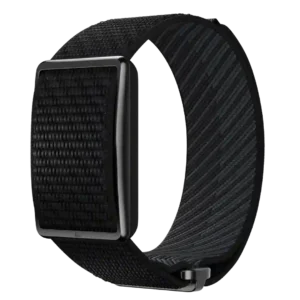
Calorie estimates were usually treated as useful or close to other trackers, with one reviewer calling the numbers wildly different from Apple’s approach.
Pros: subscription value, comfort
Cons: value for money, companion app quality
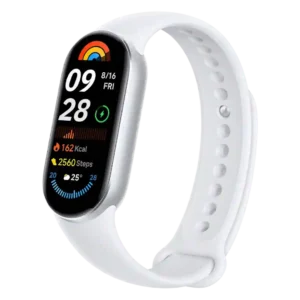
Calorie tracking evidence was split, with one reviewer calling calorie estimates unreliable and another saying calories burned matched well during testing.
Pros: battery life, value for money
Cons: smartphone notifications, band quality
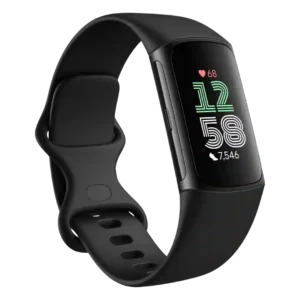
Calorie tracking received limited mixed evidence: one comparison found Fitbit calorie burn close but still lower than another tracker.
Pros: value for money, battery life
Cons: subscription value, GPS accuracy
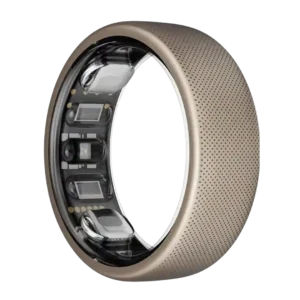
Calorie tracking drew qualified feedback, with one reviewer seeing higher calorie burn than Apple Watch and another finding passive calorie estimates modest unless workouts were recorded.
Pros: value for money, subscription value
Cons: battery life, size options
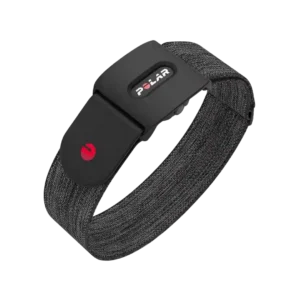
One review treats calorie burn as only a rough estimate tied to heart-rate data, so usefulness is limited rather than a core strength.
Pros: heart rate accuracy, value for money
Cons: charging convenience, fit
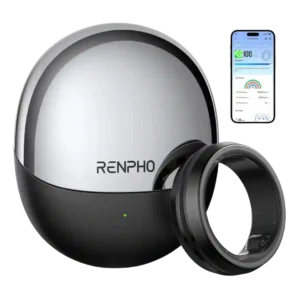
Calorie estimates were treated as rough guidance at best, with reviewers noting mismatches against other devices and at least one run estimate that seemed low.
Pros: battery life, value for money
Cons: workout mode variety, step counting accuracy
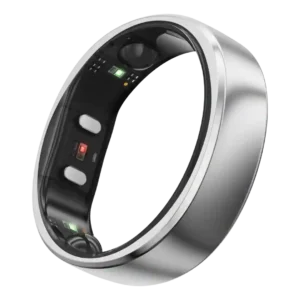
Calorie tracking was considered only approximate, with one reviewer saying calorie burn can struggle without stronger workout tracking.
Pros: battery life, subscription value
Cons: workout tracking accuracy, heart rate accuracy
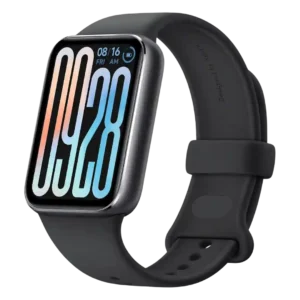
Calorie estimates were one of the weaker metrics, with multiple reviewers saying they ran low or were only rough daily guidance.
Pros: value for money, battery life
Cons: smartphone notifications, companion app quality
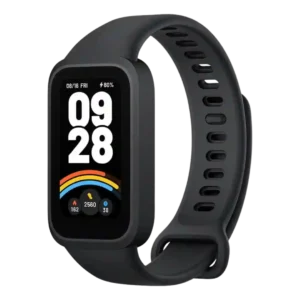
Calorie tracking was not trusted by two reviewers, who called the estimates surprisingly low or dubious.
Pros: battery life, value for money
Cons: display quality, distance tracking accuracy
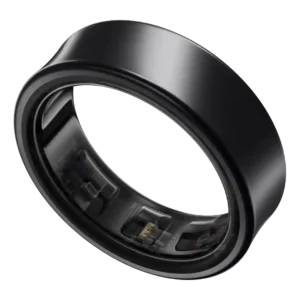
Calorie tracking was criticized when limited workout detection caused calorie burn and daily activity totals to be understated or off.
Pros: comfort, sleep tracking accuracy
Cons: value for money, heart rate accuracy
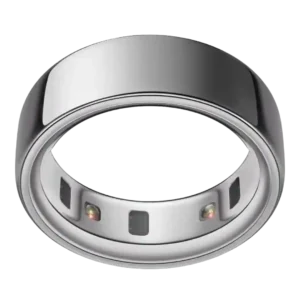
Calorie tracking drew criticism in workout comparisons, with one reviewer saying Oura substantially undercounted calories versus Apple Watch.
Pros: battery life, sleep tracking accuracy
Cons: subscription value, workout tracking accuracy
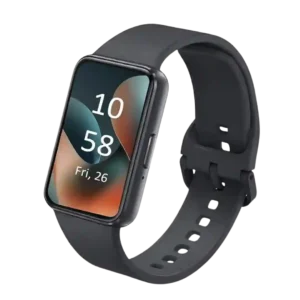
Calorie tracking was criticized as too generic for some workout modes rather than deeply useful.
Pros: battery life, value for money
Cons: sleep tracking accuracy, GPS accuracy
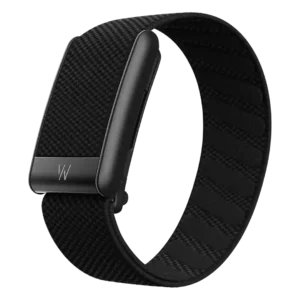
Calorie tracking drew a low score because one reviewer said it was still wildly underreported versus other wearables.
Pros: battery life, charging convenience
Cons: subscription value, heart rate accuracy