If you want better menstrual cycle tracking
Choose Whoop 5.0. It scores 4.5 vs 1.5 for menstrual cycle tracking, with a 3.8 overall score.

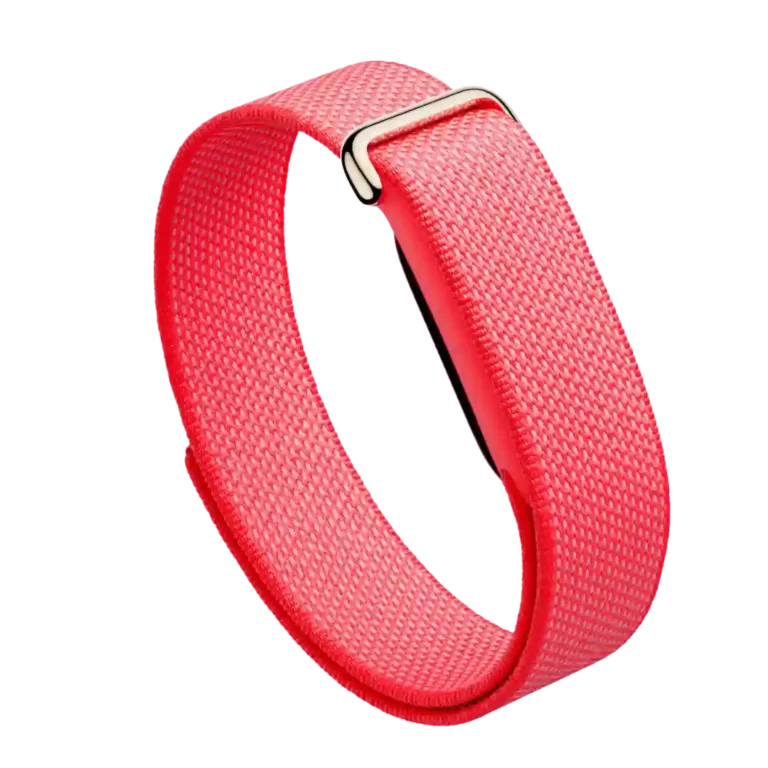
Choose Fitbit Air for a light, comfortable, low-cost tracker with strong sleep and battery life. Skip it if you need built-in GPS, live smartwatch tools, or fully reliable AI coaching.
Best for casual wellness users, smartwatch owners who want sleep tracking without nightly charging, and people who prefer quiet background health data over wrist notifications.
Not for serious runners, data-obsessed athletes, or smartwatch users who need built-in GPS, live pace, music controls, timers, texts, calls, or consistently precise workout metrics.
Reviewers largely see Fitbit Air as a strong return to simple, passive health tracking: very comfortable, discreet, affordable, and easy to wear long enough for useful sleep and recovery data. The main tradeoff is that the screenless minimalism that makes it calming also removes smartwatch conveniences such as texts, timers, find-my-phone, wrist stats, and onboard GPS. Sleep, step counting, value, and battery life earn the most consistent praise, while heart-rate accuracy, automatic detection, connected GPS, app bugs, and Google Health Coach are more uneven. Premium adds genuinely useful coaching for some, but several reviewers preferred raw data or found AI too chatty or error-prone.
Compared with other Activity & Fitness Trackers, this product is above average in alarm function, smartphone notifications, step counting accuracy, near average in fitness coaching, comfort, below average in find my phone feature, menstrual cycle tracking, cadence tracking.
| Attribute | This product | Category average | Difference |
|---|---|---|---|
| find my phone feature | 1.5 | 4.0 | -2.5 |
| menstrual cycle tracking | 1.5 | 4.0 | -2.5 |
| cadence tracking | 1.5 | 3.8 | -2.3 |
| swimming tracking | 1.8 | 3.4 | -1.6 |
| text alerts | 1.5 | 3.0 | -1.5 |
| timer function | 2.0 | 3.4 | -1.4 |
| alarm function | 4.6 | 3.3 | +1.3 |
| display quality | 2.5 | 3.8 | -1.3 |
Choose Whoop 5.0. It scores 4.5 vs 1.5 for menstrual cycle tracking, with a 3.8 overall score.
Choose Fitbit Charge 6. It scores 4.0 vs 3.2 for health trend insights, with a 3.7 overall score.
Choose Xiaomi Smart Band 10. It scores 4.5 vs 1.5 for find my phone feature, with a 4.0 overall score.
Choose Samsung Galaxy Fit3. It scores 5.0 vs 1.5 for cadence tracking, with a 4.0 overall score.
Products reviewers directly compared with this model, grouped into quick takeaways.
Yes. Comfort is the clearest consensus: reviewers repeatedly said it feels barely there, disappears on the wrist, and is easier to sleep with than many watches.
No required subscription is needed for core tracking such as steps, sleep, heart rate, and workouts. Premium adds Health Coach, deeper insights, plans, and libraries, but reviewers were split on whether the AI-heavy extras are worth paying for.
It is good enough for many casual users, especially for steps, walks, runs, and steady cardio. Reviews repeatedly found weaker results for HIIT, strength training, cycling edge cases, swimming heart rate, connected GPS, and pace or distance estimates.
No. Reviewers often liked the lack of notifications, but also noted it cannot show time, texts, call alerts, timers, payments, live workout stats, or find-your-phone controls.
Battery life is a major strength. Multiple reviewers met or beat the seven-day claim, with some reporting eight to ten days, and quick charging was often praised.
It can be useful for connecting sleep, activity, recovery, food logging, and goals. The tradeoff is that several reviewers also reported hallucinations, repetitive coaching, wrong assumptions, or too much text.
It fits people who want affordable, passive, low-distraction health tracking with strong comfort and sleep data. Athletes who need precise GPS, advanced sport metrics, or live wrist feedback should look elsewhere.
These are a few of the reviews included in our analysis.
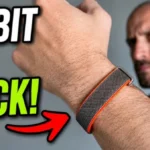
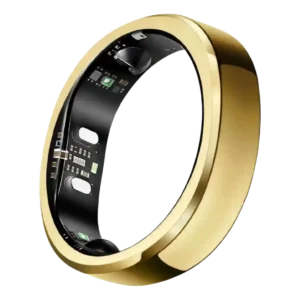
Best for long battery life, comfort, sleep/apnea insights, haptic health nudges, and no subscription. Skip it for serious workout heart-rate accuracy, full phone notifications, or a true silent alarm.
Pros: battery life, app alerts
Cons: alarm function, workout mode variety
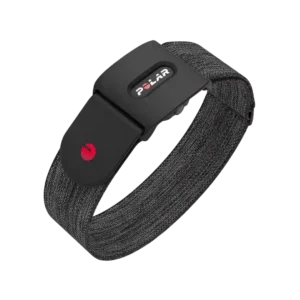
Best for chest-strap-like heart-rate data in a comfortable armband with long battery life. Skip it if you need smartwatch features, effortless app guidance, built-in GPS, or flawless high-intensity lifting response.
Pros: heart rate accuracy, value for money
Cons: charging convenience, fit
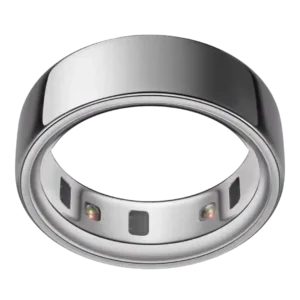
Best for comfortable, screen-free sleep and recovery insight with a polished app. Skip it if you want subscription-free value, serious training metrics, or a ring that stays pristine.
Pros: battery life, sleep tracking accuracy
Cons: subscription value, workout tracking accuracy
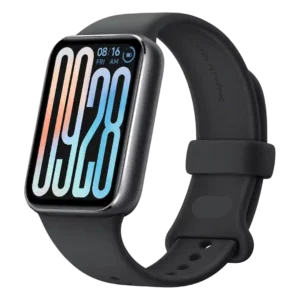
Best for a bright screen, long battery life, strong value and casual fitness tracking. Skip it if you need dependable sports-watch accuracy, richer smartwatch replies, or polished sleep-stage data.
Pros: value for money, battery life
Cons: smartphone notifications, companion app quality