Best for workout tracking accuracy
Xiaomi Smart Band 10
4.1 attribute score
Highest scored product for this attribute based on supporting review evidence.

Highest scored product for this attribute based on supporting review evidence.
Balances the attribute score, supporting reviews, and overall product strength.
Has the broadest review evidence for this attribute.
Strongest overall product among items with scored evidence for this attribute.
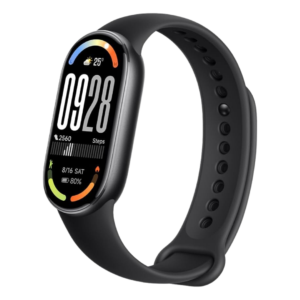
Workout tracking was broadly positive for casual training, with good post-workout data and heart-rate performance, but not deep enough for serious athletes.
Pros: display quality, value for money
Cons: band quality, sleep stage tracking
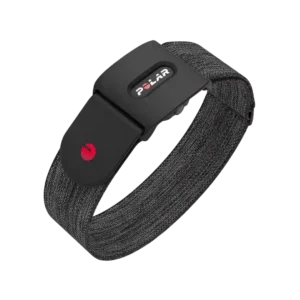
Workout tracking is generally reliable for runs, rides, steady work, and many intervals, but several reviewers note lag or missed peaks during rapid intensity changes, lifting, or movement-heavy sessions.
Pros: heart rate accuracy, value for money
Cons: charging convenience, fit
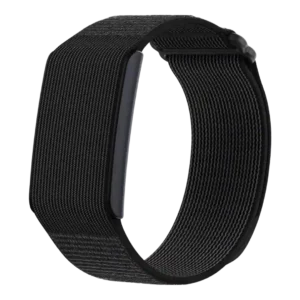
Manual workout tracking is usually reliable and useful, especially for heart-rate-zone capture, but the system remains basic compared with richer sports-watch or Whoop-style tools.
Pros: comfort, value for money
Cons: recovery insights, charging convenience
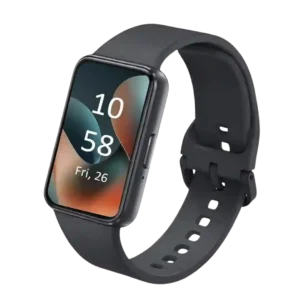
Workout tracking was broadly praised for casual fitness, though detailed training accuracy was not strong enough for serious athletes.
Pros: battery life, value for money
Cons: sleep tracking accuracy, GPS accuracy
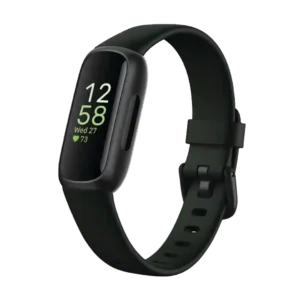
Workout tracking accuracy was good enough for basic and steady activities, but screen limits, interval HR problems, and limited on-device feedback held it back for serious training.
Pros: battery life, value for money
Cons: subscription value, heart rate accuracy
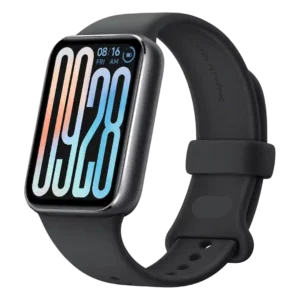
Workout tracking was strong for casual use and basic accountability, but several reviews said it was not a serious replacement for dedicated sports watches.
Pros: value for money, battery life
Cons: smartphone notifications, companion app quality
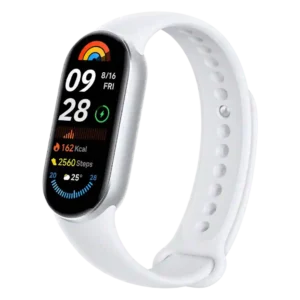
Workout tracking was generally good for casual exercise and easier sessions, but reviewers cautioned that serious training and weightlifting exposed accuracy limits.
Pros: battery life, value for money
Cons: smartphone notifications, band quality
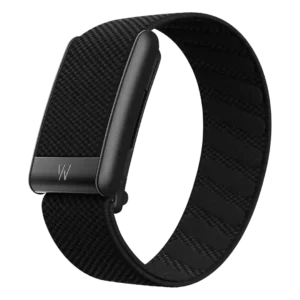
Workout tracking ranged from excellent strength and workout-span handling to concerns about underreported heart rate or strain in strength sessions.
Pros: battery life, charging convenience
Cons: subscription value, heart rate accuracy
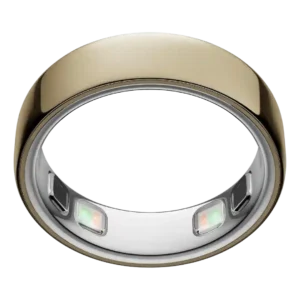
Workout tracking improved in comfort and detection for several reviewers, but serious training, intervals and smartwatch-style metrics remained common weaknesses.
Pros: comfort, design and appearance
Cons: value for money, subscription value

Workout tracking ranges from seamless and accurate for casual use to unreliable for demanding sports, GPS sessions, or fragmented workouts.
Pros: comfort, fitness coaching
Cons: health trend insights, workout tracking accuracy
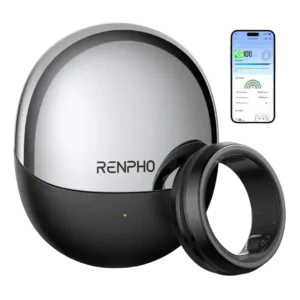
Workout tracking accuracy was mixed, with runs described as workable by one reviewer but HIIT, distance, calories, and syncing raising concerns in other tests.
Pros: battery life, value for money
Cons: workout mode variety, step counting accuracy
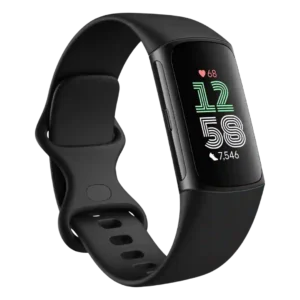
Workout tracking accuracy was uneven, with acceptable results for some workouts but repeated concern that sports tracking and fast intervals were not a strength.
Pros: value for money, battery life
Cons: subscription value, GPS accuracy
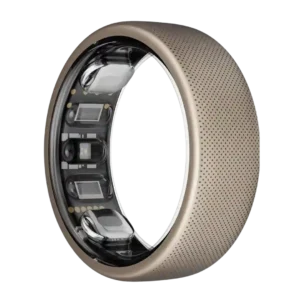
Workout tracking accuracy was mixed to weak overall, with good results in some running or supported-workout tests but significant gaps, dropouts, and limited exercise support.
Pros: value for money, subscription value
Cons: battery life, size options
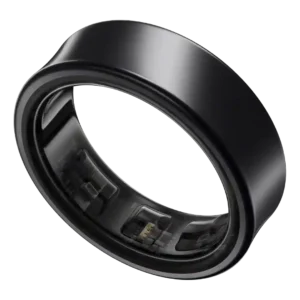
Workout tracking accuracy was the biggest divide: it worked for basic movement or heart-rate checks in some cases but failed serious gym, cycling, and broader fitness needs.
Pros: comfort, sleep tracking accuracy
Cons: value for money, heart rate accuracy
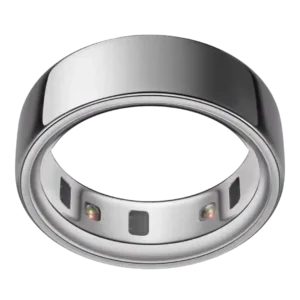
Workout tracking remained the biggest weak area: acceptable for light wellness tracking, but limited or inaccurate for serious training.
Pros: battery life, sleep tracking accuracy
Cons: subscription value, workout tracking accuracy
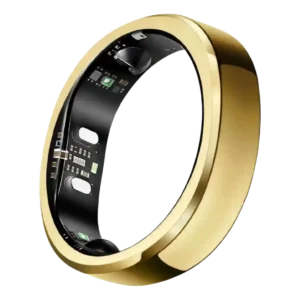
Workout tracking accuracy was mixed: distance and casual workouts were usable, but heart-rate performance during harder sessions remained a limitation.
Pros: battery life, app alerts
Cons: alarm function, workout mode variety
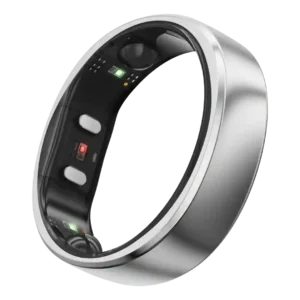
Workout tracking accuracy was the clearest weakness, especially for serious exercise; reviewers found it limited, spotty with movement, or poor for training data.
Pros: battery life, subscription value
Cons: workout tracking accuracy, heart rate accuracy
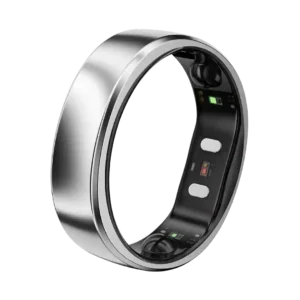
Workout tracking was the clearest weakness, especially for serious exercise, high-intensity heart rate, and detailed post-workout analysis.
Pros: battery life, value for money
Cons: charging convenience, fitness coaching
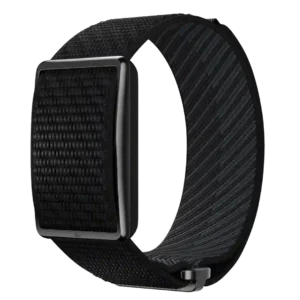
Workout tracking accuracy was a major weakness, with frequent reports of missed workout portions, duplicate sessions, misclassified activity, and limited manual workout usefulness.
Pros: subscription value, comfort
Cons: value for money, companion app quality
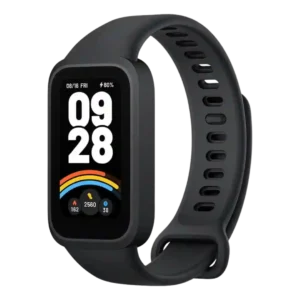
Workout tracking accuracy leaned negative: indoor rowing looked acceptable, but outdoor and general workout metrics were repeatedly off.
Pros: battery life, value for money
Cons: display quality, distance tracking accuracy