Best for battery life
Whoop 5.0
4.8 attribute score
Highest scored product for this attribute based on supporting review evidence.

Highest scored product for this attribute based on supporting review evidence.
Balances the attribute score, supporting reviews, and overall product strength.
Has the broadest review evidence for this attribute.
Strongest overall product among items with scored evidence for this attribute.
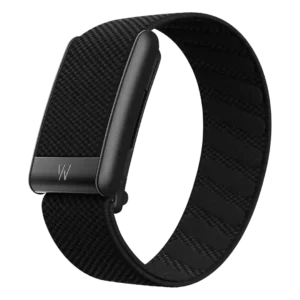
Battery life was the strongest consensus, with reviewers repeatedly praising roughly two weeks or more of use.
Pros: battery life, charging convenience
Cons: subscription value, heart rate accuracy
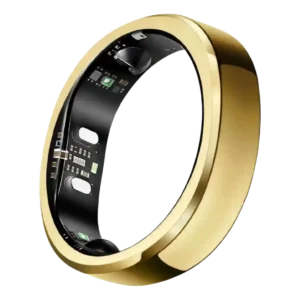
Battery life drew the strongest agreement, with testers commonly reporting roughly 10 days to two weeks and praising the low charging burden.
Pros: battery life, app alerts
Cons: alarm function, workout mode variety
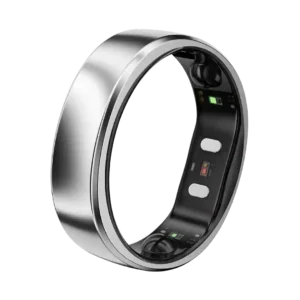
Battery life was the strongest consensus positive, usually lasting well over a week and often close to the promised 10 days.
Pros: battery life, value for money
Cons: charging convenience, fitness coaching
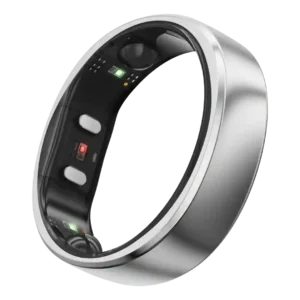
Battery life was the strongest consensus point, repeatedly described as excellent, impressive, and far longer than competing smart rings.
Pros: battery life, subscription value
Cons: workout tracking accuracy, heart rate accuracy
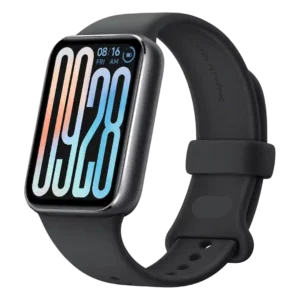
Battery life was a major consensus strength, repeatedly described as excellent, multi-week, or much better than mainstream smartwatches.
Pros: value for money, battery life
Cons: smartphone notifications, companion app quality
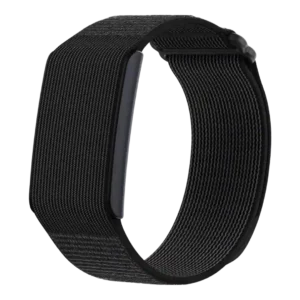
Battery life is one of the strongest consensus positives, with many reviewers reporting about a week to ten days and often calling it impressive or fantastic.
Pros: comfort, value for money
Cons: recovery insights, charging convenience
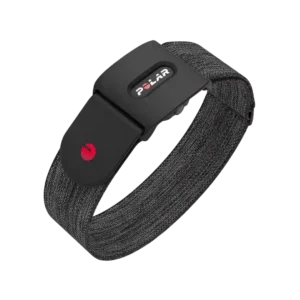
Battery life is widely praised as a major upgrade and practical strength, though ultra-distance runners may still outlast it and battery level visibility can be limited.
Pros: heart rate accuracy, value for money
Cons: charging convenience, fit
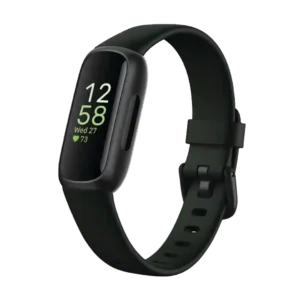
Battery life was the strongest consensus attribute, with many reviewers reporting a week or more and praising the 10-day-class endurance.
Pros: battery life, value for money
Cons: subscription value, heart rate accuracy
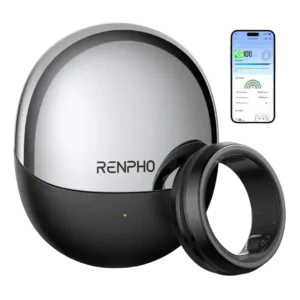
Battery life was the clearest consensus strength, with almost every reviewer praising week-plus performance, even when one reviewer raised long-term degradation concerns.
Pros: battery life, value for money
Cons: workout mode variety, step counting accuracy
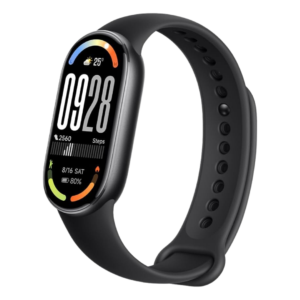
Battery life was one of the clearest strengths, with reviewers reporting multi-day to multi-week endurance and strong performance for the price.
Pros: display quality, value for money
Cons: band quality, sleep stage tracking
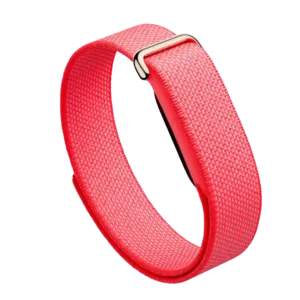
Battery life is a major strength overall, commonly meeting or beating the seven-day claim, though one reviewer found it short for a screenless device.
Pros: comfort, fitness coaching
Cons: health trend insights, workout tracking accuracy
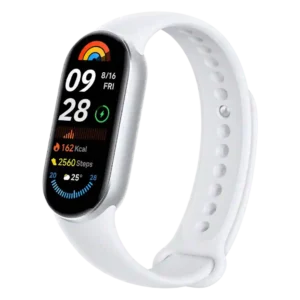
Battery life was one of the strongest areas, with most reviewers reporting a week or much more, though heavy always-on use reduced it for some.
Pros: battery life, value for money
Cons: smartphone notifications, band quality
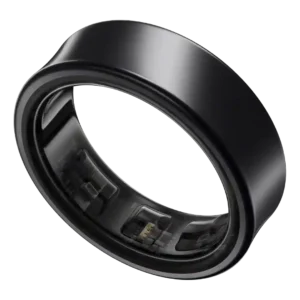
Battery life was generally a strength, often near a week, though long-term degradation and shorter real-world results appeared in some reviews.
Pros: comfort, sleep tracking accuracy
Cons: value for money, heart rate accuracy
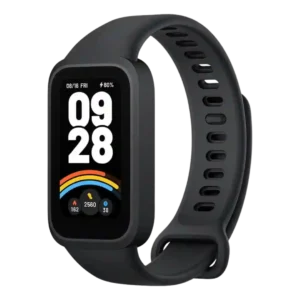
Battery life was the strongest consensus win, praised across nearly every review even when 18 days was called optimistic under heavier use.
Pros: battery life, value for money
Cons: display quality, distance tracking accuracy
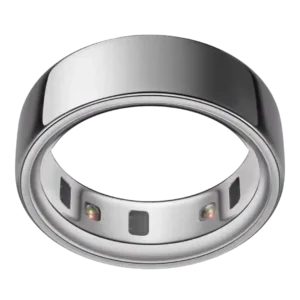
Battery life was widely praised as better than smartwatches and improved from Gen 3, though real-world results often fell short of the eight-day claim.
Pros: battery life, sleep tracking accuracy
Cons: subscription value, workout tracking accuracy
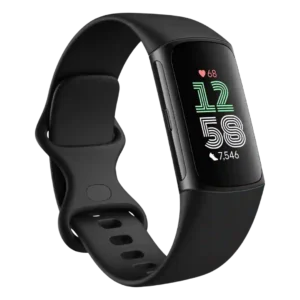
Battery life was one of the strongest consensus positives, often lasting several days to a week, though always-on display, GPS, and HR broadcasting reduced it sharply.
Pros: value for money, battery life
Cons: subscription value, GPS accuracy
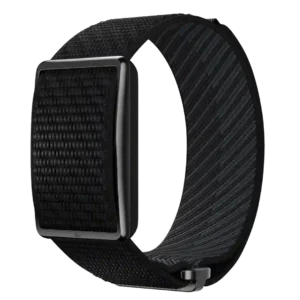
Battery life was consistently praised, usually landing around a week and sometimes longer, even if rivals like Whoop can last longer.
Pros: subscription value, comfort
Cons: value for money, companion app quality
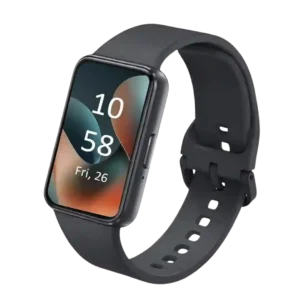
Battery life was widely praised as better than most smartwatches, but real-world results varied from about two days with heavy always-on use to a week or more.
Pros: battery life, value for money
Cons: sleep tracking accuracy, GPS accuracy
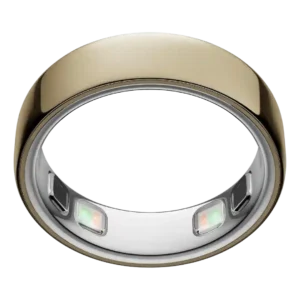
Battery life was generally strong, with several reviewers seeing or expecting about a week, though long-term degradation and modest gains remained concerns.
Pros: comfort, design and appearance
Cons: value for money, subscription value
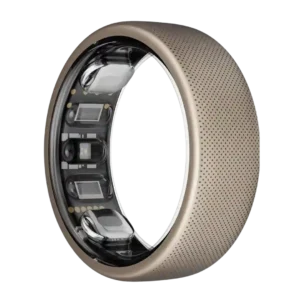
Battery life was the most repeated concern, commonly landing around two to four days and often falling short of competitors or reviewer expectations.
Pros: value for money, subscription value
Cons: battery life, size options