If you want better value for money
Choose Fitbit Charge 6. It scores 4.3 vs 3.8 for value for money, with a 3.7 overall score.

A comfortable, readable tracker for everyday health and sleep, with useful live workout metrics. Missing payments, uneven software and sharply shorter always-on battery life are the main compromises.
People wanting comfortable everyday health and sleep tracking with glanceable workout metrics. It also suits casual exercisers and beginners who prefer a compact, simpler wearable.
Demanding athletes who need precise GPS, detailed strength logs or flexible workout screens, and anyone relying on smartwatch payments, wrist calls or voice replies.
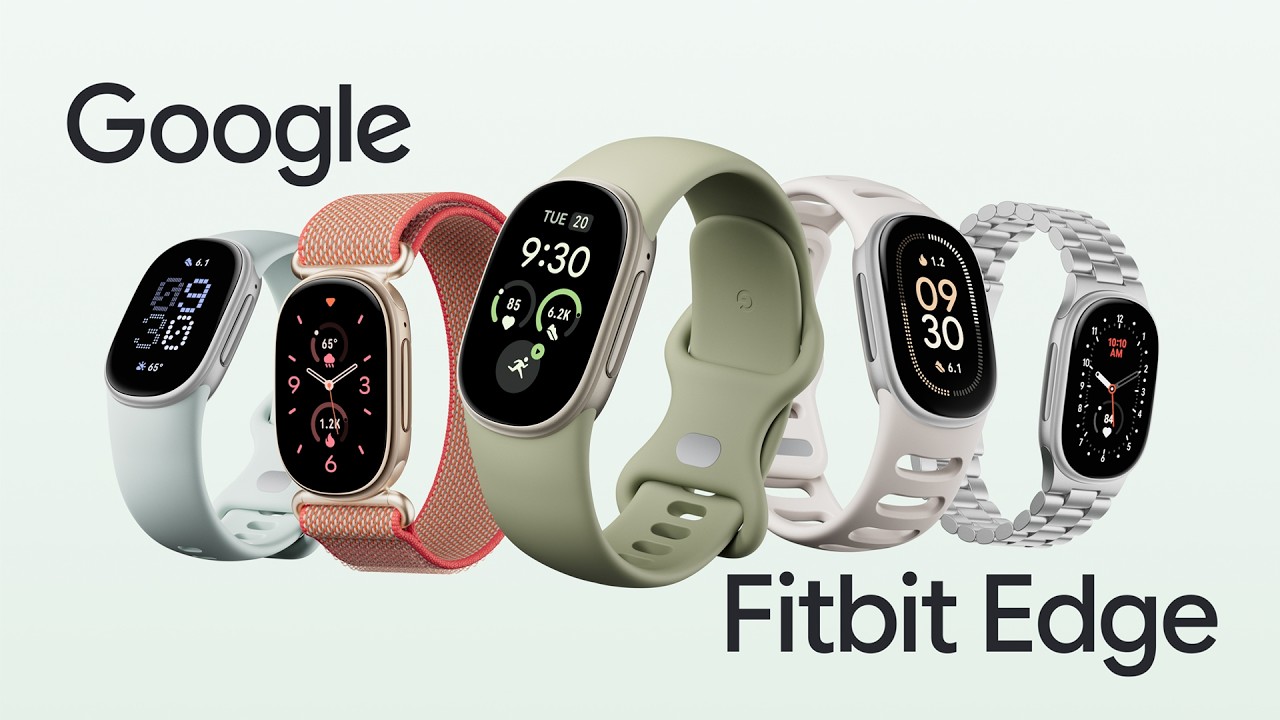
The Edge makes most sense for everyday wellness tracking, comfortable overnight wear and casual workouts where a small screen is genuinely useful. Its light case, readable display, physical button and often week-long screen-off endurance provide a compelling balance, while a replaceable battery adds long-term appeal. Automatic workout recognition usually helps, and Google Health can make the numbers easier to understand. The compromises matter: always-on use commonly means charging every two or three days, NFC payments are gone, and some tests encounter loose bands or failed notifications. GPS precision and AI coaching receive sharply different verdicts. Casual users wanting wrist information have good reasons to buy; demanding athletes and buyers expecting full smartwatch functions should look elsewhere.
Compared with other Activity & Fitness Trackers, this product is above average in elevation tracking, call alerts, button controls, near average in value for money, battery life, below average in Bluetooth reliability, menstrual cycle tracking, stopwatch function.
| Attribute | This product | Category average | Difference |
|---|---|---|---|
| elevation tracking | 4.1 | 2.3 | +1.8 |
| Bluetooth reliability | 2.3 | 4.1 | -1.9 |
| menstrual cycle tracking | 2.0 | 3.8 | -1.8 |
| call alerts | 5.0 | 3.2 | +1.8 |
| stopwatch function | 2.5 | 4.2 | -1.7 |
| button controls | 4.2 | 3.0 | +1.2 |
| route tracking | 4.5 | 3.0 | +1.5 |
| reliability | 2.0 | 3.4 | -1.4 |
Choose Fitbit Charge 6. It scores 4.3 vs 3.8 for value for money, with a 3.7 overall score.
Choose Fitbit Inspire 3. It scores 4.6 vs 4.0 for battery life, with a 3.9 overall score.
Choose Samsung Galaxy Fit3. It scores 5.0 vs 3.2 for subscription value, with a 4.0 overall score.
Choose Xiaomi Smart Band 10. It scores 4.4 vs 4.0 for user interface, with a 4.0 overall score.
Products reviewers directly compared with this model, grouped into quick takeaways.
Many tests reach seven to nine days with the always-on display disabled, though some fall short. Always-on use commonly cuts endurance to roughly two or three days, and GPS use matters.
The screen and built-in GPS are the main reasons to pay more, especially for checking workout metrics or recording a route without a phone. The Air remains compelling for minimal, lower-cost tracking.
Results vary from impressive improvements over older Charges to drifting routes and lost signals. Casual distance tracking often fares better than precise route recording in difficult environments.
Core measurements and basic tracking work without it. Premium adds the AI coach and deeper insights, but its value depends on how useful and reliable you find that guidance.
It lacks NFC payments, a microphone and a speaker. Call alerts and limited message functions provide a heads-up, with preset text replies depending on the paired phone.
The small, light shape is frequently praised for overnight comfort. Band fit matters, and manual bedtime mode is an annoyance if you want the screen to stay dark automatically.
Experiences differ: some find swapping easy and magnetic straps strong, while others report loose closures or connectors releasing. The band system is one of the more consequential hardware complaints.
These are a few of the reviews included in our analysis.

According to a recent poll, our readers' preferred Fitbit Edge alternative is not the Google fitness tracker you might expect.
Google Fitbit Edge pros and cons, Amazon price history. Liked: Small and comfortable Built-in altimeter for tracking floors climbed Disliked...
Our full review of the Google Fitbit Edge: a £160 fitness band with an AMOLED screen, seven-day battery, ECG, and Gemini-powered AI health...
The Google Fitbit Edge review reveals a stylish $179 fitness tracker with a 7-day battery life, but frustrating limitations like no workout...
I’ve worn them all. Some are plain ugly, others inaccurate or overpriced. The $179 Fitbit Edge is most people’s sweet spot. I’ll tell you if...
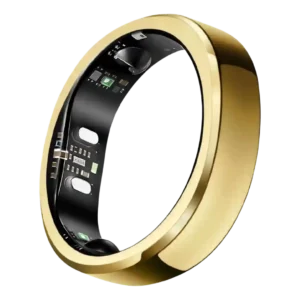
Best for long battery life, comfort, sleep/apnea insights, haptic health nudges, and no subscription. Skip it for serious workout heart-rate accuracy, full phone notifications, or a true silent alarm.
Pros: battery life, app alerts
Cons: alarm function, workout mode variety
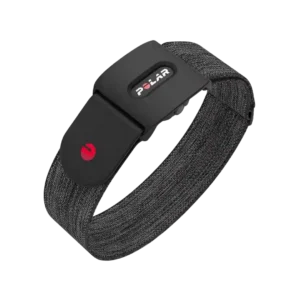
Best for chest-strap-like heart-rate data in a comfortable armband with long battery life. Skip it if you need smartwatch features, effortless app guidance, built-in GPS, or flawless high-intensity lifting response.
Pros: heart rate accuracy, value for money
Cons: charging convenience, fit
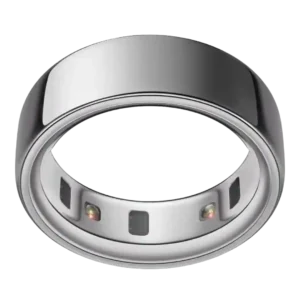
Best for comfortable, screen-free sleep and recovery insight with a polished app. Skip it if you want subscription-free value, serious training metrics, or a ring that stays pristine.
Pros: battery life, sleep tracking accuracy
Cons: subscription value, workout tracking accuracy
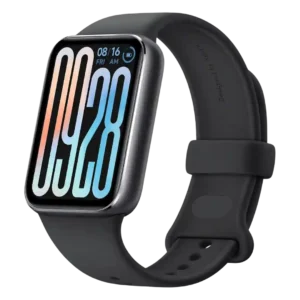
Best for a bright screen, long battery life, strong value and casual fitness tracking. Skip it if you need dependable sports-watch accuracy, richer smartwatch replies, or polished sleep-stage data.
Pros: value for money, battery life
Cons: smartphone notifications, companion app quality