Best for villain quality
A Knight of the Seven Kingdoms, Season 1
5.0 feature score
Highest scored product for this feature based on supporting review evidence.

Highest scored product for this feature based on supporting review evidence.
Balances feature score, supporting reviews, and overall product strength.
Has the broadest review evidence for this feature.
Strongest overall product among items with scored evidence for this feature.
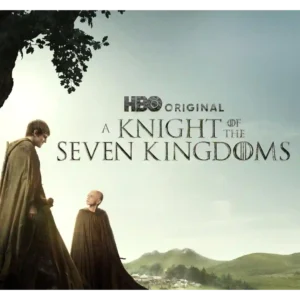
Aerion stands out as a controlled, menacing antagonist whose cruelty feels dangerous without turning him into a cartoon. His presence gives the grounded story a sharp edge.
Pros: plot originality, episode structure
Cons: character development, family friendliness

Archie works as an unusually entertaining antagonist because his arrogance and selfishness make him fun to hate without reducing him to a simple cartoon villain.
Pros: screenplay quality, genre satisfaction
Cons: continuity, family friendliness

Nile works as a magnetic, threatening antagonist, with his mix of charm, menace, and volatility making him compelling even when the mystery around his guilt feels predictable.
Pros: plot clarity, series finale quality
Cons: family friendliness, age appropriateness

The assassin duo is repeatedly singled out as compelling, entertaining, and unusually decisive, making them one of the stronger elements of the ensemble mystery.
Pros: episode structure, supporting cast performance
Cons: character consistency, soundtrack quality

Saddam is presented with more complexity than a simple monster, and reviewers generally value that choice when it does not excuse his atrocities. Zuaiter’s authority and unpredictability make the character...
Pros: world-building, production design
Cons: finale satisfaction, season finale quality

Gercourt is a memorable villain figure, with Lucas Bravo praised for making him charming, malevolent, and vividly dark rather than one-note.
Pros: episode structure, cast chemistry
Cons: character consistency, editing quality

Henry and Jenna work best because they are not treated as conventional thriller villains. Reviewers find the antagonistic side more compelling when its motives remain psychologically messy and morally uncomfortable.
Pros: screenplay quality, cinematography
Cons: accountability handling, character consistency
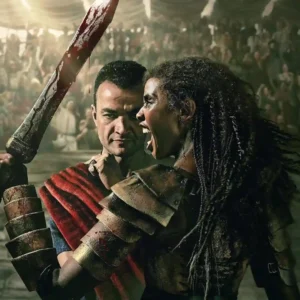
Ashur’s toxic charisma and Cossutia’s scheming make villainous or antihero figures highly watchable even for reviewers who dislike them morally.
Pros: episode structure, finale satisfaction
Cons: makeup quality, family friendliness

Booker stands out as an enjoyably vivid threat within the oddball ensemble. Her menace, visual presence, and blunt attitude make the antagonist side of the caper memorable without losing the...
Pros: character consistency, cast chemistry
Cons: cliffhanger effectiveness, season length

The Gibson twins are framed as effective reality-TV villains: charismatic enough to entertain, but scheming and repulsive enough to provoke strong reactions.
Pros: world-building, visual style
Cons: pilot episode quality, directing quality
Kyle Soller and MyAnna Buring’s assassins were widely praised as cold, menacing threats, and Hugo Weaving’s Frank remains formidable. One negative review argued that the killers are underwritten and occasionally...
Pros: season finale quality, character development
Cons: accent authenticity, product placement
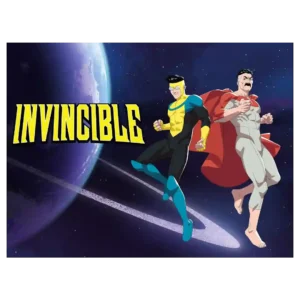
Thragg is the clear villain standout, praised as menacing, intimidating, and worth the buildup. Lesser antagonists are more uneven, with a few side villains dismissed as boring or underdeveloped.
Pros: finale satisfaction, continuity
Cons: plot clarity, screenplay quality
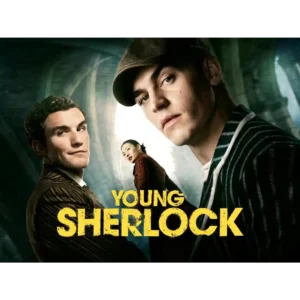
Moriarty’s reinvention is widely praised as fresh and compelling, but his late movement toward villainy can feel rushed and inconsistent to some reviewers.
Pros: pilot episode quality, emotional impact
Cons: continuity, modern political framing
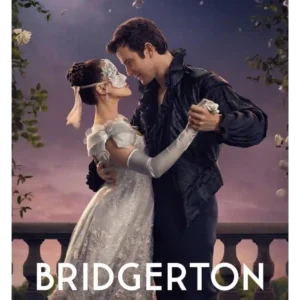
Araminta is often praised as a more layered and empathetic villain than the Cinderella template requires, though some late antics still feel cartoonish.
Pros: rewatch value, supporting cast performance
Cons: CGI quality, continuity

The abusive network can be chillingly persuasive, but opinions vary on the individual antagonists. Some enablers are memorably vile, while one review found the principal villains too thinly written.
Pros: episode structure, supporting cast performance
Cons: cinematography, sexual content level

Constance works best as a clear, hiss-worthy antagonist, with Anderson’s controlled menace earning praise. Some critics still find the character too flat or cartoonishly evil.
Pros: cast chemistry, renewal interest
Cons: episode structure, character consistency
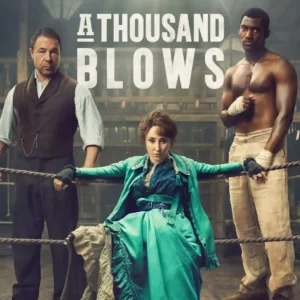
A malicious, sexist gang leader is singled out as an effective supporting antagonist, giving the early conflict extra bite.
Pros: season finale quality, main cast performance
Cons: episode structure, pilot episode quality

AI works as a recognizable antagonist in the entertainment-industry story, though one critic finds another series more incisive on the same subject.
Pros: plot originality, episode structure
Cons: season length, realism

The season has no conventional antagonist, but one reviewer considered that absence a strength rather than a flaw because the conflict comes from grief and family tension.
Pros: main cast performance, suspense
Cons: world-building, language level
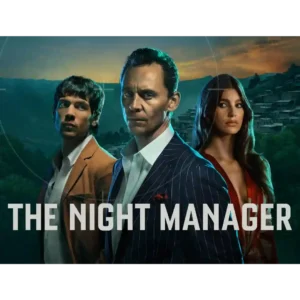
Teddy is magnetic and vulnerable for many reviewers, while others see him as a generic Roper substitute. Roper’s return restores menace for some but becomes cartoonish for others.
Pros: episode structure, pilot episode quality
Cons: accountability handling, finale satisfaction

The villain quality divides opinion: some moments work, while others feel uneven or overdone.
Pros: humor, faithfulness to source material
Cons: cultural representation, cliffhanger effectiveness
Villains are uneven. Babat arrives with real menace, but the season sometimes removes threatening figures too quickly or leaves the larger antagonist too abstract to become fully satisfying.
Pros: character consistency, humor
Cons: media scrutiny portrayal, sexual content level

Sinatra and Jane remain compelling sources of danger, but the bunker antagonism is not uniformly successful. Some praise their complexity and menace, while others find parts of the villain plotting...
Pros: directing quality, production design
Cons: character consistency, continuity

The Hoths split reviewers sharply: some call them vicious, fresh, and genuinely dangerous, while others find them thin, clichéd, or physically unconvincing foils for Reacher.
Pros: pilot episode quality, drama quality
Cons: editing quality, character consistency
Villain reception is sharply mixed. Some reviewers prefer the broader criminal web and praise Lawrence Cole, while others see the antagonists as predictable, hammy, overcrowded, or cartoonish.
Pros: plot clarity, pilot episode quality
Cons: product placement, character consistency

Madame Defarge is a point of disagreement: one review finds her a compelling, understandable antagonist, while another says her cause is reduced to mechanical plot function.
Pros: finale satisfaction, series finale quality
Cons: cast chemistry, makeup quality
Rather than a traditional villain, Damage Control functions as a grounded institutional threat; some find that apt, others underpowered.
Pros: soundtrack quality, pilot episode quality
Cons: accountability handling, plot clarity

The Manhunter storyline produces some strong twists and character work, but several reactions find the eventual payoff underwhelming or anticlimactic.
Pros: rewatch value, renewal interest
Cons: power scaling, modern political framing

The criminals can be brutal, volatile, and threatening, yet several reviewers find the crew generic, underwritten, or lacking the dark charisma of stronger heist villains.
Pros: pilot episode quality, main cast performance
Cons: family friendliness, dialogue quality

The new Italian threat works better for some reviewers than others. Marco brings menace and scale, but one critic finds the season’s new kingpin far less intriguing than earlier antagonists.
Pros: finale satisfaction, character consistency
Cons: screenplay quality, release schedule

The mean-girl material is one of the weaker character elements, with Britney criticized as paper-thin or lacking development in some takes.
Pros: episode structure, season finale quality
Cons: season length, character consistency

The season lacks a firmly established antagonist, leaving Zelda’s intentions suspicious but not clearly defined as a central threat.
Pros: cast chemistry, supporting cast performance
Cons: episode structure, realism
The master-villain material is a low point for the harshest critic, who finds the reveal melodramatic, cartoonish, and far too predictable.
Pros: main cast performance, drama quality
Cons: directing quality, franchise connection