Best for theme depth
The Pitt, Season 2
5.0 feature score
Highest scored product for this feature based on supporting review evidence.

Highest scored product for this feature based on supporting review evidence.
Balances feature score, supporting reviews, and overall product strength.
Has the broadest review evidence for this feature.
Strongest overall product among items with scored evidence for this feature.

Theme depth is a standout, especially around healthcare strain, patriotism, trauma, AI, immigration, and who deserves care. Some reviewers find the topicality blunt, but most see it as central to...
Pros: episode structure, main cast performance
Cons: age appropriateness, plot clarity

The season uses grief, disposability, loyalty, and institutional neglect to deepen its spy-story mechanics. River’s mourning and the fate of discarded agents give the thriller more emotional and thematic weight.
Pros: season finale quality, character development
Cons: accent authenticity, product placement

Girlhood, indoctrination, complicity, friendship, resistance, and patriarchal power give the season substantial thematic weight. This is one of the show’s most consistently praised qualities.
Pros: supporting cast performance, realism
Cons: family friendliness, sexual content level

This is the strongest consensus beyond the acting: reviewers repeatedly praise the exploration of loneliness, shame, midlife dissatisfaction, male vulnerability, desire, and the need for genuine connection.
Pros: episode structure, season finale quality
Cons: character consistency, episode length

Reviews overwhelmingly praise the show's exploration of trauma, rage, victimhood, revenge, complicity, and failed institutions. Its refusal to give clean moral answers is one of the season's most valued qualities.
Pros: episode structure, supporting cast performance
Cons: cinematography, sexual content level

Reviewers find meaningful ideas beneath the glitter: resilience, the cost of manufactured joy, privacy, guilelessness, and survival under public pressure.
Pros: episode pacing, season finale quality
Cons: episode structure, season pacing

The show’s themes run deeper than identity alone, tying trans experience to class, morality, trauma, forgiveness, and survival. It is strongest when it refuses easy answers.
Pros: genre satisfaction, main cast performance
Cons: family friendliness, violence level

Reviewers repeatedly praise the move beyond simple boxing drama into grief, moral ambiguity, colonialism, racism, class, gender, and survival.
Pros: season finale quality, main cast performance
Cons: episode structure, pilot episode quality

The themes are unusually central: identity, cultural displacement, assimilation, justice, memory, and family all come through the reviews. Critics appreciate that the show can educate without turning into a lecture.
Pros: costume design, directing quality
Cons: family friendliness, age appropriateness

Friendship, memory, guilt, identity, trauma, midlife disappointment, Catholic inheritance, and the stories people tell about themselves all give the caper extra weight. Reviewers often found the emotional and cultural ideas...
Pros: character consistency, cast chemistry
Cons: cliffhanger effectiveness, season length

Season 2 goes deeper into ambition, class, power, legacy and moral corrosion. Even reviewers who miss the lighter comedy often acknowledge the richer thematic intent.
Pros: finale satisfaction, character consistency
Cons: screenplay quality, release schedule

Parenthood, resilience, mental health, forgiveness and community give Season 7 its strongest thematic material. These themes often feel more convincing than the season’s high-stakes plotting.
Pros: supporting cast performance, acting quality
Cons: character consistency, screenplay quality

Motherhood, sex work, class, addiction, faith, respectability, and self-determination give the comedy substantial weight. The main debate is whether the series interrogates those ideas deeply enough or protects viewers with...
Pros: episode structure, dialogue quality
Cons: plot twists, season finale quality

Grief, faith, divorce, addiction, parenting, and second chances are explored with compassion and few easy answers. Some viewers found the sheer number of issues excessive.
Pros: season finale quality, screenplay quality
Cons: character consistency, continuity

This is the strongest area of consensus: reviewers repeatedly value the season’s focus on identity, regret, technological responsibility, grief, belonging, and the consequences of choice.
Pros: plot originality, main cast performance
Cons: release schedule, dialogue quality
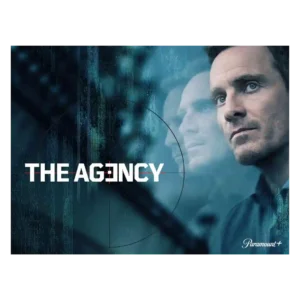
Reviewers repeatedly point to the show’s deeper ideas about loyalty, identity, sacrifice, and the psychological cost of undercover life. The theme work gives the season more weight than a simple...
Pros: directing quality, bingeability
Cons: none
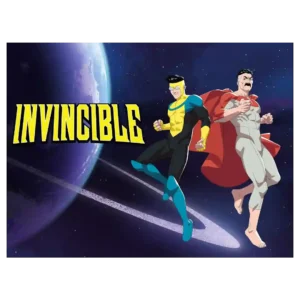
The season digs deeply into violence, inherited ideology, guilt, redemption, grief, and what makes a hero. Reviewers repeatedly value that the bloodshed is tied to moral and psychological consequences rather...
Pros: finale satisfaction, continuity
Cons: plot clarity, screenplay quality

Theme work centers on found family, second chances, resilience, and choosing people over perfection. Reviewers respond warmly when the show turns the restaurant into a community rather than just a...
Pros: directing quality, cinematography
Cons: dialogue quality, plot originality

Beneath the silliness, reviewers pick up warmth, friendship, cooperation and sincerity; those themes work best when they emerge naturally rather than through overt sentiment.
Pros: violence level, world-building
Cons: editing quality, language level

The strongest thematic material centers on grief, obsession, love, trauma, empathy, and the cost of truth. Commentary on fanaticism and blind faith receives a more mixed response and can feel...
Pros: screenplay quality, cinematography
Cons: accountability handling, character consistency

The strongest thematic material centers on family secrecy, addiction, guilt, protection, and how well people truly know those closest to them. Some critics think those ideas get buried beneath the...
Pros: episode structure, supporting cast performance
Cons: character consistency, soundtrack quality

The season reaches beyond espionage mechanics into identity, loyalty, imperial power, exploitation and the cost of doing good. Some critics find those ideas rich; others think the political themes lack...
Pros: episode structure, pilot episode quality
Cons: accountability handling, finale satisfaction
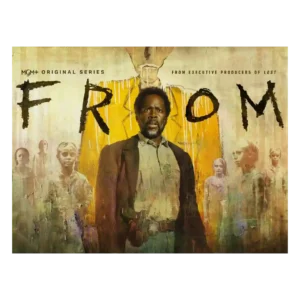
The season’s themes of hope, despair, humanity, and survival receive strong praise. Its quieter character-driven material works best when it connects the town’s horror to emotional endurance.
Pros: directing quality, rewatch value
Cons: value for money, makeup quality

The adaptation's themes are praised as remaining relevant and timely despite the age of the source material.
Pros: finale satisfaction, series finale quality
Cons: cast chemistry, makeup quality

Class, autonomy, grief, friendship and the cost of love give Season 4 more thematic weight than its fairy-tale surface suggests.
Pros: rewatch value, supporting cast performance
Cons: CGI quality, continuity

The season continues to explore legacy, friendship, gender, creativity, media power and AI. Many critics find those themes resonant, while a few think the AI or industry commentary becomes didactic...
Pros: plot originality, episode structure
Cons: season length, realism

The show’s themes are unusually rich for a franchise spin-off: paranoia, trust, sacrifice, gender, loyalty, and state control keep surfacing. The strongest notes see it as a story about how...
Pros: cliffhanger effectiveness, main cast performance
Cons: humor, family friendliness

Marriage, soulmates, inherited family trauma, belief, respect, and women’s agency give the horror genuine substance. The ideas can be heavy-handed or left incomplete, but they remain central.
Pros: special effects quality, soundtrack quality
Cons: screenplay quality, series finale quality

The show’s themes connect horror to history, repression, guilt, and the impossibility of outrunning the past.
Pros: episode structure, main cast performance
Cons: family friendliness, language level

The series earns credit for threading in justice, privilege, true-crime culture, masculinity, and family fear. Critics split on whether those ideas deepen the thriller or simply add more clutter.
Pros: directing quality, cinematography
Cons: realism, character consistency

The season’s themes get unusually strong attention: memory, power, history, political control, and truth are all described as central to why Season 3 works. Even some mixed reviews credit the...
Pros: drama quality, finale satisfaction
Cons: character development, season pacing
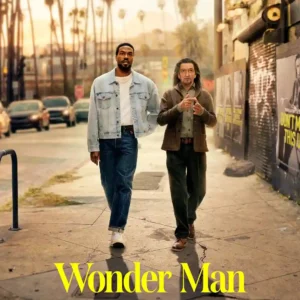
Beneath the comedy, the season explores artistic identity, friendship, failure, exploitation, and the danger of hiding part of oneself.
Pros: soundtrack quality, pilot episode quality
Cons: accountability handling, plot clarity

Hope, grief, power, class, survival, parenthood, control, and human connection give the season more to chew on than its mystery-box plot alone. Reviewers often found the moral and emotional ideas...
Pros: directing quality, production design
Cons: character consistency, continuity

Beneath the glossy debauchery, the season explores class, power, sexism, hidden sexuality, loyalty, consequences, and the fragility of love.
Pros: score quality, critic appeal
Cons: character consistency, plot clarity
The show’s deepest praise centers on its aging, mortality, grief, and time themes. Some reviewers found those ideas wise and moving, while others thought the series eventually reduced them to...
Pros: main cast performance, acting quality
Cons: cancellation satisfaction, plot clarity

The strongest thematic thread is vulnerability: how people searching for meaning can give power away to a charismatic figure. Some critics still wanted the series to go deeper into why...
Pros: bingeability, critic appeal
Cons: editing quality, accountability handling

Masculinity, shame, sexuality, trauma, and culpability give the series real ambition. Admirers find the treatment profound and layered; detractors see familiar ideas stated too bluntly and repeated too often.
Pros: season finale quality, screenplay quality
Cons: realism, rewatch value

The show is richest when the hum opens into isolation, belief, conspiracy, mental strain, and the need to be heard. Dissenting takes argue those big ideas can become vague or...
Pros: main cast performance, critic appeal
Cons: character consistency, finale satisfaction

Theme depth is one of the season’s clearest strengths. Reviews repeatedly point to exploitation, corruption, anti-authority anger, and vulnerable people being discarded by powerful institutions.
Pros: plot originality, emotional impact
Cons: humor, writing quality

Theme depth is the series’ strongest throughline: critics repeatedly focus on suffering, aging, identity, anxiety, sacrifice, and the cost of greatness. The main caveat is that a few still wanted...
Pros: genre satisfaction, soundtrack quality
Cons: writing quality, plot clarity

The show keeps its themes smaller, touching on shame, insecurity, personal growth, and emotional honesty inside comic setups. Reviewers liked that these moments exist without overwhelming the lighter tone.
Pros: production design, animation quality
Cons: pilot episode quality, score quality

At its best, the series uses rowing to explore teamwork, class, gender, grief, belonging, and rebuilding identity. Critics who dislike the writing see those themes as too repetitive or shallow.
Pros: episode structure, season finale quality
Cons: season length, character consistency

Many critics see substantive themes about class, enslavement, power, consent, exclusion, race, and survival beneath the gore. A smaller group misses the original rebellion’s moral purpose and finds this season...
Pros: episode structure, finale satisfaction
Cons: makeup quality, family friendliness

The season’s deeper ideas are grief, survival, media intrusion, police failure, and how a child witness grows around trauma. Critics who wanted more nuance still recognized the strength of its...
Pros: screenplay quality, critic appeal
Cons: plot twists, season pacing

The themes have real pull: class resentment, female ambition, revenge, social mobility, and breaking out of prescribed limits. Several writers connect those ideas to modern viewers.
Pros: season finale quality, main cast performance
Cons: humor, plot clarity

The series earns substantial credit for examining intelligence failures, political certainty, civilian consequences, and the difference between removing a dictator and understanding a country. Some critics think those ideas are...
Pros: world-building, production design
Cons: finale satisfaction, season finale quality

The series repeatedly returns to obsession, extinction, complicity, and the blurred line between protectors and exploiters. Most reviewers value that nuance, though some find the conclusions simplistic or wish the...
Pros: pilot episode quality, world-building
Cons: season pacing, writing quality
Theme depth is unusually prominent, with mental health, maturity, moral questions, and Rick’s darkness shaping the season. The darker focus is compelling, though sometimes heavy.
Pros: critic appeal, genre satisfaction
Cons: family friendliness, age appropriateness

Honor, class, dignity, friendship, justice, and the meaning of being a good person give the small story real weight. Some themes can feel familiar or lightly explored, but the moral...
Pros: plot originality, episode structure
Cons: character development, family friendliness

Ambition, independence, gender expectations, money, race, and creative identity give the series substantial thematic material, though a few critics think the feminist message is either too blunt or overshadowed by...
Pros: pilot episode quality, main cast performance
Cons: family friendliness, continuity