Best for media scrutiny portrayal
Running Point, Season 2
5.0 feature score
Highest scored product for this feature based on supporting review evidence.

Highest scored product for this feature based on supporting review evidence.
Balances feature score, supporting reviews, and overall product strength.
Has the broadest review evidence for this feature.
Strongest overall product among items with scored evidence for this feature.

The premiere’s use of a public news report to humiliate Teagan is praised as a sharp depiction of how truthful information can be weaponized socially.
Pros: episode structure, season finale quality
Cons: season length, character consistency

The early public-shaming thread is praised for making Simon’s struggle against stigma and viral scrutiny feel captivating and personally distressing.
Pros: episode structure, supporting cast performance
Cons: character consistency, soundtrack quality

A player’s performance pressure and growing media attention are handled with maturity, avoiding an easy redemption and showing how scrutiny alters behavior and trust.
Pros: media scrutiny portrayal, season finale quality
Cons: cancellation satisfaction, product placement
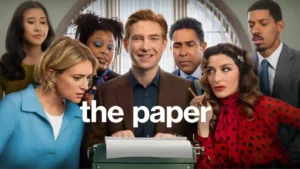
The season earns praise for a well-articulated debate about public shaming and how media judgment can spill from private behavior into public consequences.
Pros: season finale quality, main cast performance
Cons: plot clarity, character consistency

Reviewers repeatedly praise how the series confronts misogyny, hostile interviewing, tabloid pressure, and press intrusion rather than reducing them to background noise.
Pros: episode pacing, season finale quality
Cons: episode structure, season pacing

The show is praised for pushing past headlines and statistics to humanize trans experience. It turns media-scrutinized identity debates back into a story about real people.
Pros: genre satisfaction, main cast performance
Cons: family friendliness, violence level

The strongest media-scrutiny moment is the talk-show confrontation, where Richards recalls being attacked by the host and audience. It plays as a chilling public rupture in the group’s self-image.
Pros: bingeability, critic appeal
Cons: editing quality, accountability handling
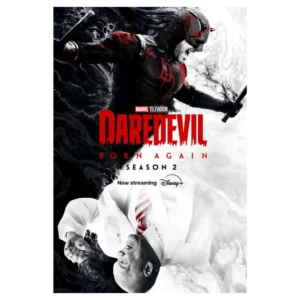
The BB Report becomes a more purposeful propaganda device, showing how media narratives can legitimize Fisk’s rule and then begin to turn public opinion against him.
Pros: costume design, score quality
Cons: realism, plot clarity

The season’s media-industry conflict is appreciated for confronting reputation management, corporate control and the pressures surrounding public figures. The satire is generally effective, though not every critic finds it as...
Pros: plot originality, episode structure
Cons: season length, realism
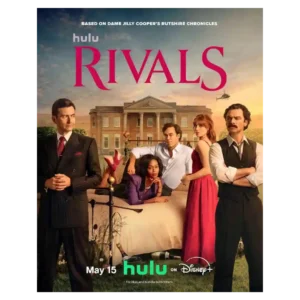
Rupert’s public destruction shows how scandal, broadcasting, and political image can be weaponized to dismantle a person’s career and relationships.
Pros: score quality, critic appeal
Cons: character consistency, plot clarity

The pressure created by a hostile media figure and Taverner’s public exposure fits naturally into the season’s political machinery. One reviewer specifically praised that political-media dimension for feeling tangible.
Pros: season finale quality, character development
Cons: accent authenticity, product placement

The press and public exposure are portrayed as part of the family’s ordeal, not background noise. The series makes the media pressure feel invasive, persistent, and damaging.
Pros: screenplay quality, critic appeal
Cons: plot twists, season pacing

The strongest consensus is around the show’s handling of the media circus, fandom, and court-of-public-opinion dynamics. Even critics who dislike the series recognize that it keeps returning to how fame,...
Pros: directing quality, modern political framing
Cons: value for money, family friendliness

The media-pressure material shows how Nadal’s public image was shaped by coverage of rituals, retirement rumors, and press expectations. It adds context to the gap between how he was watched...
Pros: genre satisfaction, soundtrack quality
Cons: writing quality, plot clarity

Media scrutiny is shown through Anastasia’s sudden celebrity and Soviet mythmaking. The show treats public heroism as another tool of state control.
Pros: cliffhanger effectiveness, main cast performance
Cons: humor, family friendliness

Using media coverage to reveal information is called a neat concept, though the surrounding mystery can drown out what those revelations are meant to accomplish.
Pros: pilot episode quality, main cast performance
Cons: family friendliness, dialogue quality

Season 4 folds low media attention into its broader picture of the structural disadvantages facing the Lady Greyhounds.
Pros: cast chemistry, supporting cast performance
Cons: episode structure, realism

Notoriety and public image matter to both Aggie and Nile, giving the story a useful thread about what happens when other people’s narratives begin to define a person.
Pros: plot clarity, series finale quality
Cons: family friendliness, age appropriateness
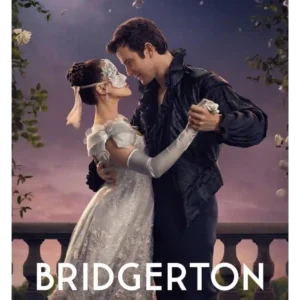
Lady Whistledown remains contentious: some welcome the renewed mystery and gossip engine, while others think the concept has outlived its usefulness.
Pros: rewatch value, supporting cast performance
Cons: CGI quality, continuity

The ending’s decision to hand the flash drive to Plum makes journalism part of the accountability payoff, though one critic finds the faith placed in modern media institutions unusually optimistic.
Pros: pilot episode quality, drama quality
Cons: editing quality, character consistency

Discussion around the show's reception and cancellation thoughtfully captures how public optics and fan response shape the Marvel narrative.
Pros: soundtrack quality, pilot episode quality
Cons: accountability handling, plot clarity

The series occasionally captures how performative social media life can be, but the social-media material is often shallow, visually dull, or lacking the authenticity viewers want.
Pros: world-building, costume design
Cons: family friendliness, age appropriateness

The media-world storyline is seen as underdeveloped. The TV-news setting has potential, but the actual journalism angle is criticized for lacking substance.
Pros: renewal interest, bingeability
Cons: plot clarity, soundtrack quality

The depiction of Carol’s relationship with her readers is one of the more contested early choices, with criticism that it reduces fans to an oversimplified mass.
Pros: dialogue quality, franchise connection
Cons: season finale quality, finale satisfaction

One critic strongly objects to the way the season edges toward portraying colleges and the press as centers of anti-national activity. That framing makes the media component feel politically loaded...
Pros: character consistency, humor
Cons: media scrutiny portrayal, sexual content level