Best for hot-weather performance
EcoFlow Delta Pro Ultra X
5.0 feature score
Highest scored product for this feature based on supporting review evidence.

Highest scored product for this feature based on supporting review evidence.
Balances feature score, supporting reviews, and overall product strength.
Has the broadest review evidence for this feature.
Strongest overall product among items with scored evidence for this feature.
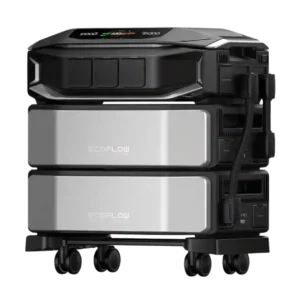
Real-world use in hot climates shows the system can support substantial household loads through summer outages, including air conditioning when the configuration has enough capacity.
Pros: output stability, voltage regulation
Cons: solar cable compatibility, UPS functionality
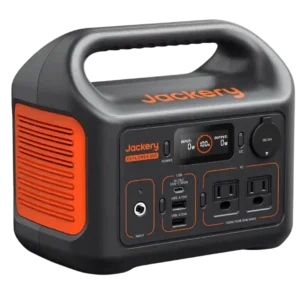
Testing up to roughly 95–100°F was positive, with reviewers reporting stable operation and no obvious overheating problems.
Pros: output stability, voltage regulation
Cons: battery expandability, water resistance
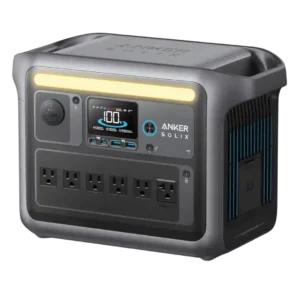
Field use in hot weather was generally successful, though higher temperatures can trigger more fan activity.
Pros: power output, rated output
Cons: dual-input charging, cable storage
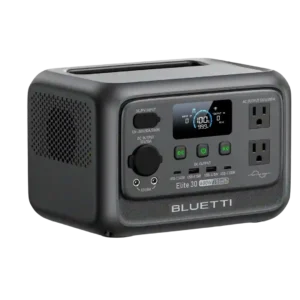
A solar test in 90-degree weather completed successfully, with no reported thermal problem.
Pros: rated output, output stability
Cons: over-voltage protection, cold-weather performance
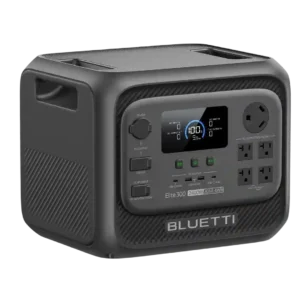
Two months of testing, including near-30°C conditions, showed consistent output; extra battery drain came from connected cooling equipment working harder.
Pros: surge capacity, voltage regulation
Cons: water resistance, ventilation requirements
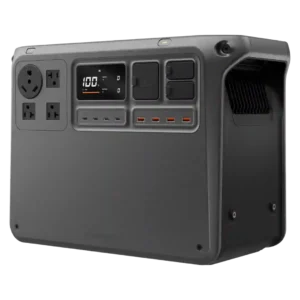
One outdoor test found the station continued operating reliably in high heat.
Pros: rated output, peak output
Cons: startup reliability, full-load noise
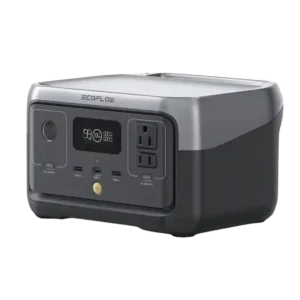
The unit sustained rated operation in simulated heat, with active cooling managing temperature under load.
Pros: surge capacity, output stability
Cons: dual-input charging, whole-home integration
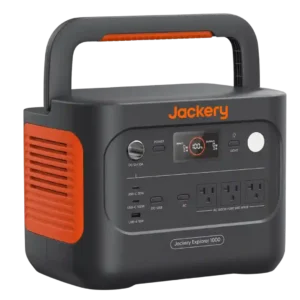
LiFePO4 chemistry is credited with maintaining stronger performance in hot environments than older battery types.
Pros: rated output, peak output
Cons: standby power loss, specification accuracy
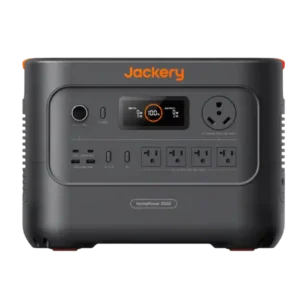
The LFP chemistry is well suited to hot garages, attics, and storage conditions thanks to its wider safe temperature range.
Pros: power output, rated output
Cons: battery expandability, car charging speed
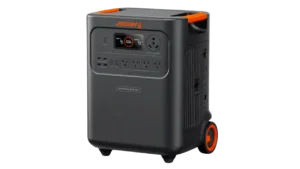
Hot-weather capability benefits from LiFePO4 chemistry, which reviewers described as more thermally stable than conventional lithium-ion alternatives.
Pros: output stability, voltage regulation
Cons: DC output, 12-volt outlet
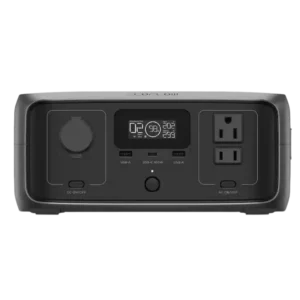
Owners report stable operation in hot climates and vehicles, within normal ventilation limits.
Pros: noise level, idle noise
Cons: self-discharge rate, air travel suitability
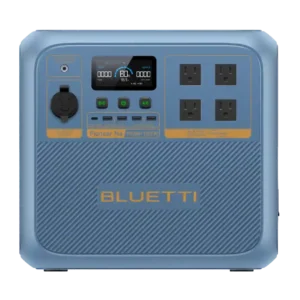
One reviewer says the sodium chemistry also handles vehicle temperature swings confidently, complementing its much stronger cold-weather story.
Pros: pure sine wave output, startup performance
Cons: MPPT controller performance, battery expandability
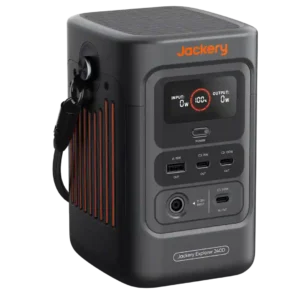
Summer operation is generally supported, but one test measured slower charging around 95°F. High heat can trigger protective throttling.
Pros: power output, rated output
Cons: AC outlet count, repairability
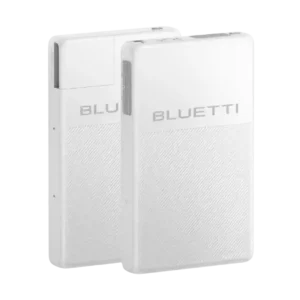
Charging begins to throttle above about 40°C ambient. The reduction was described as modest for typical kitchens but worth considering in garages and RVs.
Pros: power output, rated output
Cons: USB-A ports, 12-volt outlet
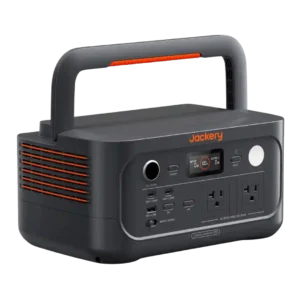
The station is better suited to temperate conditions than extreme heat, and reviewers caution against leaving it in a very hot vehicle.
Pros: output stability, pure sine wave output
Cons: remaining runtime estimate, Bluetooth connectivity
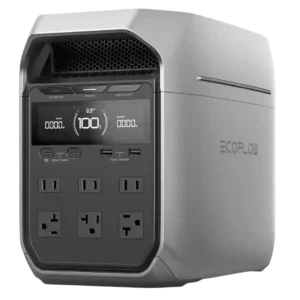
Warm ambient conditions can slow charging, and one unit overheated under heavy load even in a mild 75°F garage.
Pros: rated output, peak output
Cons: 30-amp output, parallel operation support