If you want better bug frequency
Choose Pragmata. It scores 5.0 vs 1.0 for bug frequency, with a 4.3 overall score.

Contains frequent gunfire, explosions, combat with giant insects and mutants, mercenary deaths, and some gruesome battle imagery, including splattered guts.
Inventive unit fusion and gripping station-defense puzzles make this a rewarding strategy experiment. Passive train rides, unclear tutorials, and serious bugs can derail the excitement.
Turn-based strategy fans and build-optimization enthusiasts who enjoy discovering unit synergies, thinking several moves ahead, and learning through difficult attempts.
Casual players seeking relaxed or very short sessions, dependable permanent upgrades, or a consistently polished interface; demanding horde scenes and lengthy failed runs can frustrate.
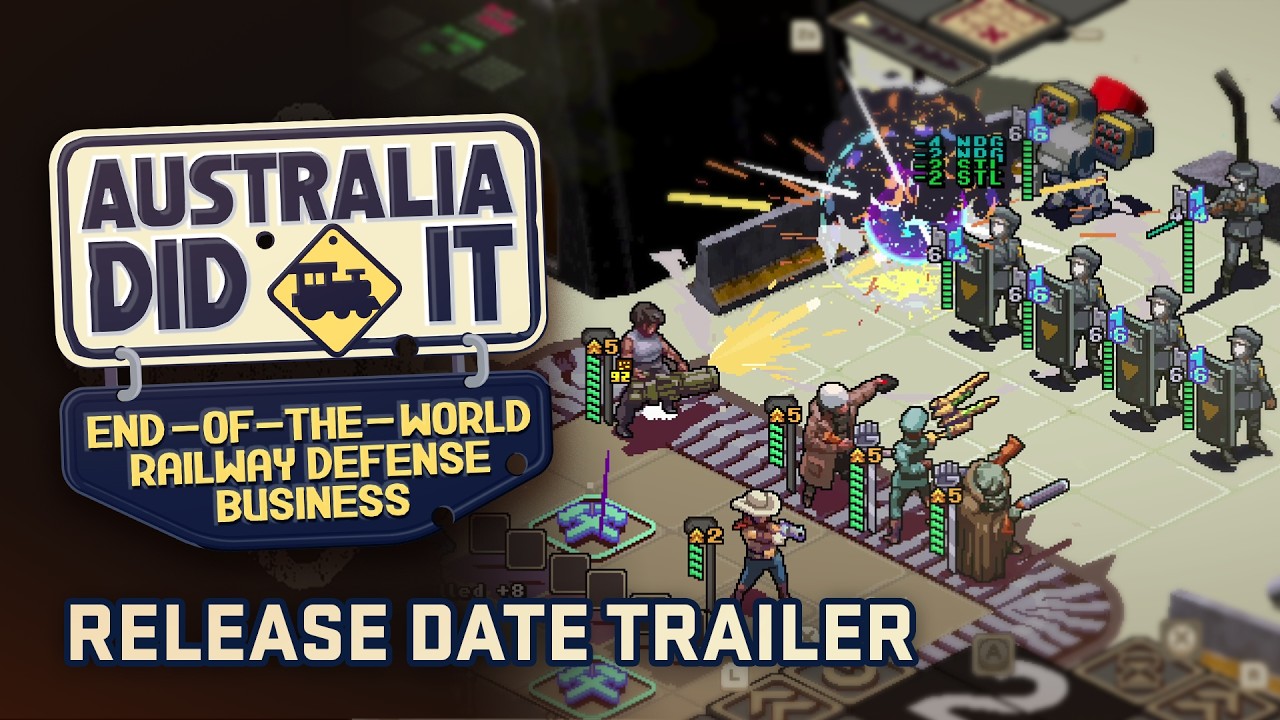
Australia Did It makes its strongest impression at the station, where a small defensive grid becomes a remarkably flexible tactical puzzle. Merging equal-level mercenaries into unexpected specialists gives the game an inventive, discovery-driven core, and choices about placement, resources, and evacuation make those discoveries matter. Its dry-ocean wasteland and playful corporate satire provide a distinctive backdrop. The main tradeoff is the journey between stops: some enjoy watching a carefully crafted squad mow down hordes, while others find the automatic train combat passive, hard to read, or abruptly punishing. Explanations and interfaces can be frustratingly thin, and reports of broken undo behavior, softlocks, and performance hiccups are hard to ignore. Persistent strategy fans willing to experiment and tolerate rough edges may find a compelling obsession, but those who want reliably polished, fast, forgiving runs should be more cautious.
Compared with other Video Games, this product is above average in puzzle design, level design, originality, near average in strategic depth, learning curve, below average in graphics quality, sound design, animation quality.
| Attribute | This product | Category average | Difference |
|---|---|---|---|
| graphics quality | 1.0 | 4.3 | -3.3 |
| sound design | 1.0 | 4.1 | -3.1 |
| animation quality | 1.0 | 4.0 | -3.0 |
| accessibility options | 1.0 | 3.7 | -2.7 |
| crash stability | 1.0 | 3.2 | -2.2 |
| user interface design | 1.3 | 3.3 | -2.1 |
| bug frequency | 1.0 | 2.9 | -1.9 |
| controls responsiveness | 2.0 | 3.7 | -1.7 |
Choose Pragmata. It scores 5.0 vs 1.0 for bug frequency, with a 4.3 overall score.
Choose Shinobi: Art of Vengeance. It scores 5.0 vs 1.0 for graphics quality, with a 4.4 overall score.
Choose The Alters. It scores 5.0 vs 1.0 for sound design, with a 4.2 overall score.
Choose The Rogue Prince of Persia. It scores 5.0 vs 1.0 for crash stability, with a 4.0 overall score.
Products reviewers directly compared with this model, grouped into quick takeaways.
You defend compact stations using a rotating positioning system, then merge equal-level mercenaries into new unit types with different abilities and drawbacks.
Not usually. Some enjoy seeing their builds automatically defeat hordes, but several accounts find the journeys less interactive and harder to read.
There is little permanent power growth; success depends mainly on remembering combinations, understanding enemy threats, and improving tactical decisions.
The basic roles are approachable, but combinations, positioning, and escalating threats have a substantial learning curve. Tutorials and unit information may leave important questions unanswered.
It is playable with controller support, but busy sequences can cause frame-rate drops and small interface text may be inconvenient.
Yes. Reported problems include inconsistent undo actions, cursor issues, softlocks, and a delivery trigger that failed to respond.
Players who like turn-based tactics, difficult survival puzzles, and testing inventive squad synergies are the strongest match.
These are a few of the reviews included in our analysis.
Australia Did It: End-of-the-World Railway Defense Business (PC) Review – 8.75/10: Though not every part lives up to the high bar set by its...
The workers at Aesthetician Labs own their studio. The mercenaries in its collaboration with Dutch-Egyptian developer Rami Ismail have rather...
Australia Did It: End-of-the-World Railway Defense Business review for PC. Rated 4/10. A tactical exercise in frustration.
Australia Did It: End-of-the-World Railway Defense Business shines with its great setting and fun merge mechanics
Strategise, merge and depart on time in this apocalyptic turn-based title.

Best for fluid traversal, rewarding exploration, striking art, and forgiving quality-of-life features. Skip it if you want deep combat, radical genre innovation, or consistently demanding bosses.
Pros: difficulty balance, boss design
Cons: innovation, sandbox freedom

Best for superb combat, inventive builds, and richly voiced characters. Skip it if repeated runs, resource gathering, or visually busy battles outweigh the appeal of steady progress.
Pros: overall quality, combat system
Cons: pacing, grind level

Good if you want a beautiful, demanding survival sandbox built around exploration, building, progression, and memorable co-op. Skip it if long resource runs, harsh death recovery, and deliberate pacing sound...
Pros: town-building system, exploration quality
Cons: grind level, fast travel convenience
Choose Clair Obscur if you want a story-rich RPG with thrilling timed combat, gorgeous art, and standout music. Skip it if poor maps, tight parry timing, or occasional bugs and...
Pros: narrative quality, combat system
Cons: map and navigation design, menu usability