
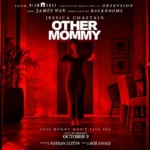
Other Mommy Feature Scores
Explore all 43 feature scores for Other Mommy, organized into pros and cons.
Scores by Feature
Summary
43 reviewed features-
Very positive 4.5-5.07 (16%)
-
Positive 3.5-4.46 (14%)
-
Neutral 2.5-3.44 (9%)
-
Negative 1.5-2.412 (28%)
-
Very negative below 1.514 (33%)
Pros
Sort
-
Jessica Chastain’s dual role and Arabella Olivia Clark’s grounded reactions are frequent highlights, even among otherwise negative assessments.
-
The cast often earns more goodwill than the film itself, particularly the two central performances. Several find the exaggerated secondary roles and uneven tone less persuasive.
-
Invasive close-ups, gliding cameras and imaginative staging draw praise even from many detractors. Some frantic movements and cluttered compositions sacrifice clarity.
-
Distorted bodies, impossible spaces and expressive camera movement create memorable images. Their impact is uneven when the film substitutes synthetic spectacle for atmosphere.
-
Creepy domestic spaces and surreal imagery give the opening a sinister mood, but the relentless barrage of effects often overwhelms the unease before it can deepen.
-
The adaptation changes significant scenes and softens the novel’s ending. One more sympathetic take finds its new conclusion a richer character choice; other reactions miss the book’s unsettling depth.
-
More restrained monster makeup can make Chastain look convincingly uncanny, especially before the heavier digital distortions arrive.
-
When tangible body-horror work is visible, it can be pleasingly gooey and disturbing, especially compared with less convincing digital distortion.
-
A few intimate moments between Bela and her parents can be surprisingly moving. Much of that potential is diluted when the film rushes back to supernatural spectacle.
-
Purposeful silence, small domestic noises and abrupt shocks can add impact, though loud stings are sometimes criticized as a substitute for fear.
-
The simpler theatrical title is praised as a catchy improvement over the novel’s title.
-
Some see a crowd-pleasing haunted-house ride, while others expect the repetitive shocks and thin plot to frustrate seasoned horror viewers.
-
Nightmarish ball pits, warped rooms and unusual physical spaces produce some memorable set pieces, although these showcase moments do not always connect into a compelling story.
Cons
Sort
-
The monster’s shifting powers, abrupt transitions and conveniently timed events can make the plot hard to follow or invest in.
-
Nathan Elston’s script has intriguing domestic-horror ideas but often neglects character motivation, consistent supernatural rules and sufficient buildup.
-
A manipulative mother-double offers a promising foundation, but most reactions say the movie trades emotional depth and narrative cohesion for a chain of attacks.
-
Bela registers as a believable child, but her parents frequently feel sketchily defined, with crucial emotional histories reduced to hints or late confessions.
-
The opening moves straight into danger and rarely lets up. That speed excites some viewers but leaves many longing for quieter setup, escalation and character time.
-
Rather than steadily build dread, the film often begins at maximum intensity and stays there. Short flashes of unease get buried under repeated jolts.
-
Dreamlike scene transitions occasionally impress, but rapid cutting and abrupt shifts make the movie feel compressed and disjointed.
-
Digital body warping and melted faces divide opinion sharply. Most criticism finds the bigger transformations conspicuously artificial and less scary than Chastain’s unaltered expressions.
-
The finale is divisive: a few appreciate the more emotionally focused resolution, but many find its confessions rushed, unearned or less haunting than the setup promises.
-
The entity’s abilities expand from scene to scene with few convincing limits, leaving its mythology hard to understand and reducing the threat’s credibility.
-
The movie delivers plentiful supernatural set pieces, but the dominant complaint is that quantity replaces sustained horror. A smaller group enjoys its knowingly extravagant haunted-house energy.
-
The film moves uncertainly between sinister family drama, camp and spectacle, with many attempts at terror provoking unintended laughter.
-
The early kitchen reveal is repeatedly singled out as effective. Later jump scares become too frequent, repetitive and digitally inflated for many to remain frightening.
-
The much-discussed kitchen reveal is widely considered one of the movie’s best scares, leaving many feeling that the trailer gave away its strongest moment.
-
Maternal love, fractured trust and the unease of family secrets provide meaningful material, yet the symbolism often remains thinner than the elaborate visuals.
-
The parents’ early acknowledgement of the creature and some warped play-space sequences feel fresh, but many see familiar possession and doppelgänger ideas repackaged without a distinctive payoff.
-
Ideas about parenthood, secrets and emotional honesty interest some viewers, but others dislike the implication that maternal ambivalence invites supernatural punishment.
-
Early critical reactions are overwhelmingly negative, especially toward repeated shocks and weak storytelling, with a smaller number of favorable responses.
-
An occasional funny exchange or campy moment succeeds, but much of the laughter comes from scares and dialogue that were apparently meant to be taken seriously.
-
The storyline links a working mother’s distance from her child to supernatural distress, raising concerns about its simplistic or judgmental treatment of maternal ambivalence.
-
The imitation mother is often creepiest as a partly concealed human figure. Prolonged, fully visible digital transformations reduce mystery and menace for many.
-
The roughly 90-minute format sounds appealing, but several viewers find even that short span exhausting or strangely underdeveloped because of the compressed structure.
-
Bela’s awareness of marital strain provides an intriguing emotional foundation. Some appreciate the silences and glances, while others find her parents’ motivations severely underwritten.
-
Graphic body horror and sustained threats to a child make it unsuitable for younger children or casual family movie nights.
-
The entity’s nature and rules remain sketchy, and some critics feel the film reveals too much too soon while withholding answers that would give later surprises weight.
-
The musical score is criticized as unremarkable rather than an effective driver of the film’s scares.
-
Viewers seeking a fast, weird monster showcase may enjoy the ride, but others find it tedious, disposable or unintentionally funny.
-
Body contortions and reality-warping sights can be inventive, but the more extravagant imagery often draws complaints of unconvincing digital excess.
-
Jay Duplass is sometimes charming as Bela’s father, but other supporting players have too little to work with or feel stranded in thin roles.
-
Rob Savage shows visual ingenuity and can stage effective individual sequences, though his preference for nonstop jolts often works against buildup and storytelling.
Use Cases
Best for
Sort
-
A lively audience could enjoy the jumps and camp together, although viewers wanting genuinely sustained fear may feel let down.
-
Its fast, front-loaded shocks and eventually reassuring tone can work for a group sleepover, provided everyone is old enough for the bloody violence.
-
Genre enthusiasts can enjoy the creature’s strange shapes and frantic set pieces, but viewers hoping for a genuinely unnerving story may be frustrated.
Conditional or not ideal for
-
Family viewingIts gory transformations and a vulnerable child in sustained danger make it a poor option for watching with young children.
Cast & Creators
-
UrsulaChastain’s intense dual performance, creepy smile and physical control are frequent standouts, even when bulky visual effects obscure her work.
-
BelaClark gives Bela naturalistic reactions and emotional credibility; her ability to carry scenes is repeatedly identified as a bright spot.
-
DirectorSavage’s energetic staging and inventive camera ideas impress intermittently, but his frantic escalation leaves the film short on lasting suspense.
-
RussellDuplass brings warmth and approachable dad energy, though some find his comedy-sketch manner at odds with the stakes.
-
RuthAllen brings presence and welcome gravitas to Grandma Ruth, but some think the role is too brief or wasted.
-
LoisLachman commits to the paranormal-investigator role, though the limited screen time leaves others dissatisfied.
-
EditorThe fast editing and sudden transitions make some scenes feel too rushed to develop suspense.
-
WriterElston’s adaptation draws criticism for an underdeveloped family conflict, flimsy rules and an ending that arrives before its emotions are earned.