
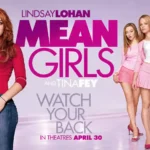
Mean Girls Feature Scores
Explore all 53 feature scores for Mean Girls, organized into pros and cons.
Scores by Feature
Summary
53 reviewed features-
Very positive 4.5-5.012 (23%)
-
Positive 3.5-4.421 (40%)
-
Neutral 2.5-3.413 (25%)
-
Negative 1.5-2.47 (13%)
Pros
Sort
-
The Plastics, Janis, Damian, and the adult characters supply many of the most memorable comic moments. Meadows’ performance is widely admired, though one source finds his flirting awkward.
-
Sharp barbs, oddball exchanges, and endlessly quoted lines are among the film’s most consistent strengths. The dialogue remains memorable even for viewers who dislike other parts of the movie.
-
Caustic satire, clever barbs, and deadpan supporting performances produce many of the strongest reactions. Dated stereotypes, occasional slapstick, and a softer final act limit the comedy for some viewers.
-
The ensemble is a major strength, with memorable comic turns across the students and adults. A dissenting retrospective finds the leads weaker than the supporting players.
-
Lohan usually earns praise for charm, restraint, and keeping Cady sympathetic through her transformation. A dissenting retrospective finds her limited and unconvincing, and another dislikes her screen impression.
-
The quotable scenes and recognizable social dynamics often retain their appeal over many viewings. One retrospective warns that revisiting it exposes more dated material and weaker performances than nostalgia suggests.
-
Catchphrases, memes, and enduring references make the film a major pop-culture touchstone. Several sources credit it with reshaping expectations for teen comedies.
-
The satire explores insecurity, popularity, peer pressure, and the damage of cruelty with unusual insight for a teen comedy. Its relevance often extends to adult social life.
-
Fey’s sharp dialogue and social observation are repeatedly credited with making a familiar premise distinctive. Messy structure, moralizing, and dated stereotypes are the main objections.
-
Cady’s slide into popularity and the Plastics’ insecurities give familiar archetypes surprising depth. The main dispute is whether her final redemption feels earned.
-
The school satire appeals to teens, nostalgic adults, and viewers who recognize clique behavior beyond the classroom. Some find its lessons especially useful, while one retrospective recommends it with reservations.
-
The film frequently ranks among the strongest teen comedies of its era. A sharply negative assessment finds it bland beside more daring high-school films.
-
Most sources find an enjoyable, energetic comedy that remains fun to revisit. A few are less enthusiastic, especially when dated jokes or moralizing interrupt the enjoyment.
-
Many recognize their own school experiences in the clique politics, outsider anxiety, and petty behavior. Dissenting accounts question the smart-versus-popular stereotype and Cady’s credibility.
-
Waters often earns credit for natural comic timing and sympathetic characters. Some find the filmmaking visually ordinary or the staging too convenient for the jokes.
-
Cady’s awkward first days and the pressures on the girls evoke strong personal recognition. The humor gains weight from those uncomfortable, familiar feelings.
-
Janis and Damian feel like convincing friends, while Cady’s shifting loyalties show how social pressure can distort relationships. The friendships are valued for including jealousy and manipulation rather than simple idealization.
-
The ensemble works well together, with particular affection for Janis and Damian’s believable friendship. The adult romance charms some viewers but feels awkward to another.
-
The combination of Fey’s script, Waters’ direction, and Lohan’s rapport with the director helps the performances and character development work.
-
The anti-cruelty and self-acceptance lessons resonate strongly with many viewers. Others see contradictions in a film that condemns bullying while using appearance-based mockery for laughs.
-
The social conflicts create effective dramatic fireworks. The blend of comedy and hurt helps make the characters’ experiences memorable.
-
Most assessments celebrate the ensemble and Lohan’s fit as Cady. Reservations focus on Meadows’ adult flirtation and Aaron looking too old for high school.
-
The glossy presentation and animal-world fantasies have fans. Another assessment finds too little visual invention beyond those fantasy sequences.
-
The distinctive comic voice refreshes familiar teen-movie material for many sources. Others see a standard formula or lazy cultural stereotypes.
-
Snappy early-2000s styling helps make the characters memorable, and the costume design earns especially strong praise. Cady’s low-cut wardrobe and an unconvincing Halloween costume attract criticism.
-
Specific camera moves and the bathroom transition draw admiration. Another assessment finds the lighting competent but the overall visual storytelling short on spark.
-
Clear editing and the bathroom transition work well, while the split-screen phone scene stands out. One assessment finds the editing functional without adding much visual excitement.
-
The crush subplot adds engaging romance without requiring contrived heartbreak. Its relatively reasonable handling receives favorable notice.
-
The disc’s clean dialogue and solid front-channel output work well, while the bus sound enhances a celebrated comic scene. A separate critique notes a mismatch between a vomit sound and the visible action.
-
The song selection earns praise for supporting the tone and providing a lively soundtrack. One retrospective likes a few moments but finds the overall collection repetitive and boring.
-
The 4K disc adds pleasing texture and stronger colors while preserving a light film-grain structure. Warm skin tones and occasionally borderline blacks keep the transfer from being flawless.
-
Cady’s outsider perspective gives the school’s cliques and rituals a useful anthropological frame.
-
The Jingle Bell Rock sequence is a favorite comic set piece for one source. Another finds its staging contrived to produce the necessary mishap.
Cons
Sort
-
Several retrospective assessments criticize the racial stereotypes and reductive treatment of Africa. A more enthusiastic defense considers the jokes inoffensive, so views differ sharply on how well this material has aged.
-
The trailer can undersell the wit or overemphasize slapstick that is unlike the rest of the film. Other criticism targets inflated claims of sociological importance and marketing that narrowed its perceived appeal.
-
Retrospective assessments flag slurs and insensitive dialogue as dated. Affection for the comedy does not eliminate those reservations.
-
The original’s relative restraint is appreciated beside the remake. Other sources object to the sexualized school dance and the coach’s involvement with a student.
-
The edgy PG-13 material prompted a specific caution against showing it to younger children.
-
The 4K release disappoints by retaining the earlier 5.1 mix rather than adding an Atmos upgrade. Its existing audio still earns separate praise for clarity.
-
One assessment finds the film edgy even within PG-13 limits and cautions families about younger children watching it.
-
The cafeteria’s conspicuous Coke products draw a mocking complaint about brand saturation.
-
Some praise understandable misunderstandings that arise naturally from the characters. Others find Cady’s changes of allegiance and the handling of consequences messy or insufficiently logical.
-
The film uses recognizable teen-comedy plotting, which some find overly familiar. An enthusiastic assessment praises its avoidance of the genre’s usual contrivances.
-
One assessment would welcome trimming, suggesting the film carries more material than it needs.
-
The crown-sharing reconciliation is heartfelt and insightful for some viewers. Others find the finale sappy, rushed, or inconsistent with the sharper satire that precedes it.
-
The narration can clarify Cady’s intelligence and outsider perspective. Other accounts find it assumptive or too eager to explain what the audience already understands.
-
The original film’s commentary earns praise for being interesting and funny. The 4K disc’s new featurette draws strong criticism for centering the remake cast and adding little value.
-
The sudden bus accident works as a surprising comic resolution for one source. Another criticizes its treatment as a fake-out that does not follow through.
-
The familiar infiltration story works for some viewers. Others find awkward plotting, implausible developments, or strong individual scenes that do not form a cohesive whole.
-
The bathrooms feel like authentic places for school gossip and scheming. A separate critique dislikes the cluttered poster arrangement in a room.
-
Some praise the transformation of a nonfiction guide into sharp social comedy. One assessment disputes the adaptation claim, arguing that the film borrows little beyond terms and a few details.
-
The mixture of light comedy and darker social themes works well for many viewers. Others find the film uneven or feel its sentimental third act compromises the sharper tone.
-
The early setup and phone-call comedy can move briskly, and some find the film gains laughs as it goes. Others want trimming or feel the momentum weakens near the conclusion.
Cast & Creators
-
WriterFey’s sharp script and restrained, warm teacher performance are repeatedly praised. Reservations concern narrative structure and moral framing rather than her comic timing.
-
Regina GeorgeMcAdams makes Regina vividly nasty, funny, and difficult to look away from. Her original portrayal is repeatedly favored over the remake’s interpretation.
-
KatieMost sources credit Lohan’s charm, vulnerability, and comic restraint with anchoring Cady’s transformation. A few find her performance limited or less sympathetic than intended.
-
KarenSeyfried’s dry, effortless portrayal of Karen’s dimness is a frequent highlight. Comparisons with the remake favor the precision of her original comic performance.
-
Mr. DuvallMeadows’ deadpan timing, small gestures, and sudden exasperation repeatedly steal scenes. One source finds his flirtation awkward despite liking his response to the Burn Book chaos.
-
ActorPoehler’s overeager mother supplies memorable laughs and earns consistent praise for her energetic comic performance.
-
Janis IanCaplan’s pinpoint sarcasm and ability to combine hurt with revenge make Janis a standout. Her comic exchanges with Damian are particularly appreciated.
-
DirectorWaters earns praise for handling character growth, comic timing, and a talented ensemble. A dissenting assessment finds the filmmaking competent but visually uninspired.
-
GretchenChabert usually earns praise for Gretchen’s anxious, self-absorbed comedy and quotable lines. One retrospective finds her performance shaky beside the strongest supporting players.
-
DamianFranzese’s lively delivery and distinctive characterization make Damian a memorable comic presence. His friendship scenes with Janis are especially effective.
-
ProducerThese assessments single out the film as a successful producing contribution, especially compared with weaker entries in Michaels’ film output.
-
Costume DesignerFort’s costume design receives emphatic praise as an impeccable element of the film’s presentation.
-
ActorGasteyer’s contribution is praised as part of an adult ensemble that adds just the right comic spice.
-
ActorOne assessment appreciates the affection in Flynn’s portrayal of Cady’s father. A retrospective exchange is split, with one host liking him and another finding him irritating.
-
AaronOne retrospective finds Bennett’s performance wooden and ranks him below the stronger ensemble players.