
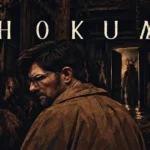
Hokum Feature Scores
Explore all 70 feature scores for Hokum, organized into pros and cons.
Scores by Feature
Summary
70 reviewed features-
Very positive 4.5-5.027 (39%)
-
Positive 3.5-4.433 (47%)
-
Neutral 2.5-3.49 (13%)
-
Negative 1.5-2.41 (1%)
Pros
Sort
-
The creaking hotel, dim corridors, and decaying rooms create the film’s most consistent strength. Even several dissatisfied critics admire the oppressive mood, although some feel the crowded plot interrupts it.
-
Scott’s restrained panic, sarcasm, and buried vulnerability carry the film for most viewers. A smaller group finds his delivery flat, the opening unconvincing, or the pain less accessible than expected.
-
The performances are widely praised, especially Scott’s ability to carry long solitary stretches. A minority find his early delivery flat or emotionally distant, keeping the acting consensus from being unanimous.
-
The strongest sequences stretch uncertainty until a reveal becomes almost unbearable. Story interruptions and slow stretches weaken that hold for the more skeptical viewers.
-
Moans, whispers, silence, and sounds from unseen spaces make the hotel feel threatening. The sound is one of the most consistently praised elements and can remain effective even when the narrative disappoints.
-
Controlled compositions, reflections, and negative space turn the hotel into a visual trap. The photography is among the most consistently admired elements, including in reviews that dislike the story.
-
The decaying suite, odd props, service mechanisms, and cramped passages give the hotel a convincing presence. Design details do narrative work as well as creating unease.
-
Patient anticipation and carefully timed reveals earn widespread praise, often from viewers skeptical of jump scares. The dissent focuses on generic shocks, repetition, and moments that feel more commercial than unsettling.
-
McCarthy’s command of space, anticipation, and disturbing reveals earns strong praise. The recurring reservation is that his assured set pieces deserve a more focused script.
-
The supporting ensemble usually earns praise for warmth, tension, and understated comic relief. The side characters help populate the hotel with distinct, memorable personalities.
-
Dry insults, eccentric hotel characters, and the goat jokes provide recurring laughs. The humor usually adds humanity without dissolving the threatening mood.
-
The hotel suggests layers of history, local folklore, and stories beyond the central mystery. Enthusiasm for that richness is tempered by complaints that the witch mythology could be explored more fully.
-
Gothic textures, earthy colors, and carefully constructed unsettling images are frequent strengths. Even a restrained assessment finds the film’s visual presentation solid.
-
The layered setting and persistent scares give several viewers good reasons to return. Some have already found the jump scares and atmosphere effective across repeat viewings.
-
The prevailing view finds a strong supernatural ghost story with memorable fright sequences. Dissenters consider it less frightening or less coherent than its reputation suggests.
-
Many praise the controlled darkness for revealing just enough to fuel dread. Visibility remains divisive, with some finding the images beautifully legible and others straining to see important detail.
-
The film uses familiar Gothic and haunted-hotel ingredients. Admirers find the arrangement fresh and personal; critics see derivative devices or a more conventional step toward Hollywood horror.
-
The hopeful epilogue is a major strength for many, providing an earned answer to the protagonist’s bleak outlook. Others find the final act tangled, overexplained, too easy, or weakened by its last revelations.
-
Many viewers value the gradual shift from hostility to understandable pain and eventual growth. Detractors find the lead’s past underdeveloped, the supporting connections flat, or the changes insufficiently earned.
-
Misdirection and early disclosures keep several viewers pleasantly off balance. Others find the turns predictable or clever without making the characters and story more satisfying.
-
The witch and disturbing children’s-show mascot leave strong impressions for many viewers. Others find the full witch reveal silly or the recurring mascot imagery repetitive and commercial.
-
Scott is repeatedly viewed as an especially effective choice for the abrasive writer. His familiar comic persona gives the bitter character an immediate draw while allowing a darker performance.
-
Connections with Fiona, Jerry, and eventually Alby provide welcome human warmth. These bonds ground the investigation and make the movement toward hope more convincing.
-
The strongest responses find a touching human journey beneath the fear. More skeptical viewers feel the childhood material or late catharsis arrives too abruptly or pushes sentiment too hard.
-
Many enjoy the combination of dry comedy, supernatural fear, psychological pain, and crime mystery. Others feel those modes compete or accumulate without enough integration.
-
Irish folklore and small local details give the setting a convincing identity. Positive responses particularly value references that feel native to the story rather than generic decoration.
-
The UHD presentation usually earns praise for fine texture, deep shadows, and clear detail in the dark hotel. The strongest accounts find the image rich and immersive without losing its filmic look.
-
The missing-person investigation gives the haunting an engaging second engine for many viewers. Others find the mystery too simple, too obscure, or an interruption just as the horror gathers momentum.
-
Most accounts describe a rewarding, often lively horror outing despite flaws. The minority view finds the slow, scattered story too tedious or empty to enjoy.
-
Guilt, authorship, grief, and self-forgiveness give the horror a human purpose. The debate is whether those layers meaningfully deepen the film or become too familiar and overexplained.
-
The audio generally impresses with enveloping ambience, full-bodied effects, and distinct dialogue. A more reserved assessment finds the mix front-heavy and less memorable than the most enthusiastic accounts suggest.
-
The dumbwaiter and other escape mechanisms give the film inventive practical problems. Many appreciate a resourceful protagonist, while a dissenting review finds his repeated choices frustratingly foolish.
-
The familiar haunted-hotel influences generally feel absorbed into a distinctive vision. Admirers enjoy the echoes without feeling the film simply repeats its predecessors.
-
The best responses praise a script that connects clues, develops a difficult lead, and trusts the audience. The recurring criticism is too many threads followed by clunky explanation or underdeveloped connections.
-
Grief and guilt give the haunting an emotional foundation that many find moving. Others see the themes as familiar, too explicit, or less nuanced than the frightening images deserve.
-
The unlikely partnership between Ohm and Jerry feels natural and enjoyable. Their contrasting personalities make the shared investigation more engaging.
-
Disc accounts praise clean, distinct speech even when the soundscape grows eerie. Dialogue remains intelligible within the surrounding ambience and score.
-
The editing supports the film’s visual craft and, in its strongest sequences, coordinates precisely with sound and design. That timing helps familiar scare setups retain their impact.
-
Positive responses appreciate that victims retain human significance. Their deaths carry emotional and moral consequences rather than functioning solely as scare devices.
-
The music can deepen the dread with haunting textures and voices. It is also repeatedly criticized as overbearing, emotionally pushy, or less memorable than the rest of the craft.
-
Practical, rational reactions are a welcome surprise for many horror viewers. Others point to escape decisions and convenient actions that seem designed to prolong the danger.
-
The blend of memory, hallucination, folklore, and crime can feel rewarding and coherent. It also produces some of the sharpest disagreement, from praise for audience trust to frustration with opacity and overcrowding.
-
Supplied reception reports and one assessment of accessible storytelling suggest appeal beyond a very narrow horror niche. The positive audience response is reported within the supplied material rather than treated as a new live tally.
-
The protagonist’s symbolic name, glasses, and detective-like coat are appreciated as purposeful character details. Reflections in the lenses also give the visual storytelling another tool.
-
The commentary and compact making-of offer useful insight into casting, design, and production. Enthusiasm for their substance is tempered by a complaint that the overall selection is limited.
-
The director and cinematographer are praised as an especially effective team. Their collaboration produces images that retain beauty and clarity while building fear.
-
Split compositions and negative space are praised for directing attention and suggesting unseen threats. Different information on opposite sides of the image keeps the frame actively unsettling.
-
The self-forgiveness message is valued for turning a bleak story toward healing. It gives the character’s eventual selflessness a surprising emotional payoff.
-
Assessments split on the supporting roles: some find every small part purposeful, while another feels too many characters receive equal importance at once. The compact cast can feel either sufficient or cluttered depending on how those introductions land.
-
Admirers find the title playful and apt for a story built on disbelief and misdirection. One strongly negative review treats it as an accurate label for pretentious nonsense.
-
The goat-related running joke earns a genuine laugh. Their appearances add effective comic relief to the sinister hotel setting.
-
One disc account praises an immersive Atmos mix that complements the Gothic presentation. Other disc discussions describe 5.1 audio, so the praise for Atmos comes from a single account.
-
The supplied reception report describes broadly favorable critical approval. Its emphasis is on the lead performance, suspense, and folklore-driven horror.
-
The ending’s generational-trauma symbolism receives strong praise. It connects the protagonist’s present to the damage inherited from his family.
-
The ending’s treatment of inherited family pain receives particular praise. The symbolic resolution gives emotional meaning to the relationships shaping the protagonist.
-
One reviewer explicitly recommends a full-price evening ticket. The film’s fun and theatrical atmosphere justify that expense for them.
-
The incorporation of psilocybin earns praise for connecting psychological fear with supernatural experience. The favorable judgment concerns its storytelling function rather than the behavior itself.
-
The glossy slipcover is a welcome touch on an otherwise standard presentation. The packaging is appreciated without being treated as a standout collector design.
-
The human villain is effectively loathsome in one account. Another finds the variety of supernatural entities dilutes the opposing force rather than strengthening it.
-
The reviewed AVC HD image has natural skin tones and a convincing ominous look. Some softness prevents this transfer from matching the strongest praise given to the UHD presentation.
Cons
Sort
-
The digital demons weaken the menace for one viewer, making the late supernatural imagery feel awkward rather than frightening.
-
The hotel owner leaves some viewers wanting another scene or two. His early promise suggests a richer character than the film ultimately explores.
-
The length is easier to accept when the slow buildup holds attention. A few accounts would trim the framing material or find the overall experience overlong.
-
One viewer wants more preparation for the suicidal crisis and more space afterward to understand the response to being saved. The abruptness limits the emotional development of this pivotal event.
-
One account finds the conversations natural and unforced. Another objects to characters announcing information that should have been more convincingly established.
-
The deliberate buildup works for many when it leads into the suite’s sustained tension. Common complaints concern a slow opening, overlong exposition, and interruptions that scatter momentum.
-
Expectations vary sharply: some find the film fulfills its hype, while others warn that the promotion overemphasizes the witch or mascot. Its murder mystery and psychological story occupy more space than a straightforward creature-horror pitch suggests.
-
Limited exposure is praised for preserving menace, especially in the brief mascot scenes. Other viewers want more witch material, while one feels showing her too clearly drains the fear.
-
The combination of a damaged writer, a disappearance, and supernatural folklore gives many viewers a compelling layered story. Others find a collection of strong ideas that never fully connects.
-
The caustic protagonist divides viewers: many stay invested beneath his hostility, while others never warm to him. Colorful supporting personalities often supply a more immediate point of connection.
Use Cases
Best for
Sort
-
The cinema is a frequent recommendation because darkness, sound, and audience reactions heighten the hotel’s oppressive mood. Several viewers consider the theatrical experience a major part of the film’s appeal.
-
Fans of supernatural dread and haunted-house atmosphere are the clearest fit. The strongest recommendations emphasize earned scares and a human story rather than constant gore.
-
The deliberate buildup rewards viewers who enjoy atmosphere before action. Some still wish the opening moved faster, so tolerance for a slow start matters.
-
The detailed construction gives horror craft enthusiasts plenty to appreciate, from controlled reveals to deliberate textures and lighting. Its restraint is especially rewarding for viewers who enjoy seeing familiar tools used with care.
-
Several responses see a welcoming route into folk or atmospheric horror. The human mystery and rich mood can engage people who are not usually committed horror viewers.
-
The film is repeatedly recommended for a night out with friends or an audience that reacts to the scares. Shared gasps and nervous laughter can add to the fun.
-
The old inn, seasonal decorations, and cozy sinister mood make it a strong October choice. Several viewers specifically welcome it as a Halloween revisit.
-
Positive home-viewing accounts find the film’s atmosphere survives outside the cinema. Detailed UHD imagery and immersive audio make the disc an appealing addition for horror collectors.
-
The mystery and carefully linked threads provide a strong thriller element alongside the supernatural horror. Positive recommendations emphasize momentum and suspense rather than action spectacle.
-
Patient attention pays off as visual clues and environmental details connect. The film is especially rewarding when viewers follow its spaces and objects closely.
-
A few viewers find the candlelit Irish inn surprisingly cozy beneath the horror. Its old-fashioned bar and rainy-day mood can make it an inviting spooky watch for people comfortable with frightening material.
-
Questions about reality, hallucination, and the ending encourage discussion after the film. The ambiguity gives viewers something to unpack rather than a single tidy explanation.
-
The layered folklore and psychological structure offer film-minded viewers material to interpret. Curiosity about symbolism and construction can extend the experience beyond the immediate scares.
-
The film stands alone and requires no knowledge of McCarthy’s earlier work. One enthusiastic response also finds it an especially effective introduction to folk horror.
-
An enthusiastic assessment finds this a satisfying next step for fans of McCarthy’s earlier films. The larger scale and familiar confined dread are seen as meaningful development.
-
Dark laughs and sudden scares work together without turning the story into a broad comedy. The caustic characters provide enough relief to make the fear more enjoyable.
-
Exploring the suite can feel like following a point-and-click puzzle. The framing encourages viewers to scan the room and work through possible solutions alongside the protagonist.
Conditional or not ideal for
Sort
-
Gore-focused viewingViewers seeking constant bloodshed and frequent kills are repeatedly warned that this is not that kind of horror. The film relies on dread and disturbing imagery, so gore-focused expectations may go unmet.
-
Background viewingThis visual mystery is a poor match for watching while using another screen. Small details and gradually connected clues require sustained attention.
-
Scare-sensitive viewingReactions depend heavily on tolerance for jump scares. One self-described horror coward recommends the mood, while another warns that the frequency of startling moments can be jarring.
Cast & Creators
-
Om BowmanScott makes a bitter, defensive writer compelling through understated fear, sarcasm, and glimpses of vulnerability. Most evaluations are strongly positive, though a minority find his delivery flat or his emotional distance limiting.
-
DirectorMcCarthy excels at shaping spaces, delaying reveals, and joining folklore with psychological fear. His writing divides viewers more sharply, particularly when extra plots or late explanations dilute the controlled horror.
-
CinematographerHogan’s controlled compositions and use of shadow give the hotel much of its power. Reflections, negative space, and legible low-light images are particular strengths.
-
FionaOrdesh gives Fiona warmth and a quietly convincing delivery. That humanity makes the story’s dark turn involving her more affecting.
-
JerryWilmot is praised for his eccentric but grounded supporting presence. His understated comic relief brings welcome warmth to the dark setting.
-
EditorDavis’s editing contributes to tightly coordinated scare sequences. Its timing with the images, sound, and design helps deliver shocks even when viewers expect them.
-
MalCoonan earns explicit praise for his supporting work. His contribution helps make the hotel’s world feel vivid and inhabited.
-
Production DesignerFrohlich’s production design is singled out for helping create the hotel’s disturbing presence. The detailed environment supports the film’s frightening visual craft.
-
ComposerBishara’s music earns praise for adding an enveloping sense of dread. A more qualified account finds that its atmosphere begins to compensate for weakening narrative confidence.