
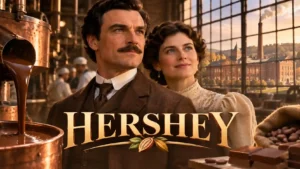
Hershey Feature Scores
Overall Scorata score: 3.1/5
Based on 16 analyzed reviews · View source samples
Explore all 68 feature scores for Hershey, organized into pros and cons.
Scores by Feature
Summary
68 reviewed features-
Very positive 4.5-5.011 (16%)
-
Positive 3.5-4.414 (21%)
-
Neutral 2.5-3.418 (26%)
-
Negative 1.5-2.424 (35%)
-
Very negative below 1.51 (1%)
Pros
Sort
-
Its gentle tone, restrained language and positive moral values make it particularly appealing for families.
-
Finn Wittrock’s optimism and Alexandra Daddario’s warmth help enliven the story, even when the script gives them little dramatic depth.
-
The leads often bring warmth and charm, particularly to the marriage, but stiff staging and thin writing limit their range.
-
Language is notably restrained, with only a brief mild obscenity described.
-
The period sets and locations help bring nineteenth- and early twentieth-century Pennsylvania to life.
-
The candy imagery often makes viewers crave chocolate, even when they are less enthusiastic about the film itself.
-
The couple’s generosity and school provide a moving centerpiece for many viewers. Critics argue that the charitable legacy is presented too reverentially and omits uncomfortable history.
-
Kitty’s independent spirit and warmth make her especially appealing, while Milton’s likability sometimes comes at the cost of complexity.
-
The supporting ensemble is frequently praised for its warmth and period character, although some performances feel stiff or merely adequate.
-
The film emphasizes Christian values with little overt religious dialogue; favorable viewers appreciate this restraint, while some critics find its moral framing reductive.
-
Its non-graphic content is broadly accessible, although illness, grief and complicated business history are better suited to older children.
-
The costumes recreate the changing historical eras attractively and help establish the nostalgic atmosphere.
-
The emphasis on kindness, perseverance and sharing success resonates strongly with favorable viewers. Critics find the moral message overly simplistic or ineffective.
-
The film covers a broad span of Hershey’s life, from childhood to philanthropy. Compressing so many milestones leaves some important experiences underdeveloped.
-
The real-life photographs and images of children helped by the couple’s work give the final credits emotional meaning.
-
The historical sets and locations give the period setting a convincing sense of place.
-
The opening match cut and creative transitions are appealing, but comparable visual invention is scarce afterward.
-
Historical photographs in the closing credits create a meaningful connection between the dramatization and the real couple.
-
The lead’s period-appropriate moustache is an effective historical detail.
-
The opening chocolate close-up is praised for its attractive lighting.
-
The charming soundtrack complements the period setting and sentimental story.
-
Alcohol appears briefly without excessive drinking, fitting the otherwise restrained family-oriented approach.
-
Unexpected details about the candy-making business and the couple’s life give the familiar biography some welcome surprises.
-
The marital flirtation is relatively tame, though it includes mildly suggestive moments.
-
The generally pleasant tone suits its intended feel-good experience.
Cons
Sort
-
Financial setbacks and personal hardships seldom create sustained uncertainty because solutions arrive so readily.
-
The chocolate company's involvement is conspicuous, and many find the film more like corporate promotion than an independent biography.
-
The familiar outcome and quickly resolved obstacles leave little dramatic tension.
-
The portrait of Hershey is sympathetic to a fault, with critics objecting to the omission of uncomfortable historical details and moral complexity.
-
The narrative follows familiar milestones and resolves difficulties so readily that the story rarely surprises or challenges viewers.
-
The direction is gentle and accessible but often lacks energy, moving through milestones without giving the drama room to breathe.
-
The sanitized characters and convenient resolutions make the story feel artificial rather than authentically human.
-
The couple’s celebratory reaction to avoiding the Titanic strikes several reviewers as insensitive given the tragedy.
-
The familiar biopic formula and reluctance to take creative risks limit originality, despite a few inventive visual touches.
-
The linear chronology is easy to follow but often feels like a checklist rather than a cohesive emotional journey.
-
The film celebrates generosity and perseverance, but its simple treatment rarely explores their underlying motivations or contradictions.
-
The broad life story provides useful introductory facts but often glosses over hardship, motivation and historical complications.
-
Despite the agreeable tone, the conventional storytelling leaves little lasting impression for some viewers.
-
Milton’s family background and persistence are evident, but the film rarely explores his deeper motivations or moral complexity.
-
Its unabashed sweetness is comforting for some and cloying for others, especially when tragedy or conflict is softened.
-
Critics object to the omission of the school’s early racial restrictions and later labor disputes, which limits the historical portrait.
-
The business plot includes loans, orders and product development but gives too little attention to how Hershey innovated.
-
Business rivals rarely pose a convincing threat, and the principal competitor is too absent to create sustained conflict.
-
The script covers major milestones clearly, but much of its dialogue, characterization and conflict feel formulaic or overly earnest.
-
Some appreciate how efficiently the film covers decades, but many find the first half slow or important setbacks too quickly resolved.
-
The opening CGI chocolate shot is criticized for looking suspiciously artificial rather than appetizing.
-
The post-film Pay It Forward ticket appeal is criticized as intrusive and annoying.
-
The grief following Kitty’s death is compressed into a few brief moments rather than fully explored.
-
Financial setbacks recur in a repetitive pattern of money shortages followed by easy solutions.
-
Some lines sound forced and overly earnest, although the restraint of the dialogue and use of visual storytelling also earn praise.
-
The jaunty period score enchants some viewers but grates on others who find it excessively sugary.
-
The strained relationship between Milton and his father receives little meaningful exploration, with much of the estrangement occurring offscreen.
-
The 110-minute running time feels overly long to viewers who find the story underwhelming.
-
The inconsistent aging treatment is distracting: Milton visibly ages while Kitty appears largely unchanged.
-
An uplifting rise from hardship to generosity appeals to some viewers, while others find the story too sanitized, predictable and thin.
-
The film can be pleasant, comforting entertainment, but many find its low-conflict storytelling bland and unengaging.
-
The period imagery has a nostalgic warmth for some viewers; others find the chocolate-brown palette drab or the lighting artificial.
-
The photography ranges from beautiful period scenery and appealing candy close-ups to gray or overly bright imagery.
-
Its charitable themes and romance can be touching, but conveniently resolved setbacks make the drama feel lightweight.
-
The origins of Hershey’s caramel and chocolate businesses offer interesting history, but the film leaves significant social and labor issues unexplored.
-
There are a handful of laughs, although some come from the film’s unintentionally absurd earnestness.
-
The sets and locations earn praise for their immersive quality, but one reviewer finds the overall filmmaking cheap-looking.
-
The opening transitions show some creativity, but the film misses opportunities to sustain that inventiveness.
-
The school’s founding offers a touching emotional payoff for some, although the concluding historical montage is predictable.
-
Kitty is seen by some as an inspiring, active partner and by others as a character too narrowly defined by her husband’s goals.
-
Kitty’s illness, romance and the school’s legacy provide moving moments for sympathetic viewers, though many find the emotional treatment too shallow.
-
The leads' chemistry divides opinion: some find the marriage genuine and warm, while others feel little romantic spark.
-
Milton and Kitty’s partnership provides welcome warmth, but the romance is sometimes cheesy, unconvincing or pushed aside by the business plot.
Use Cases
Best for
Sort
-
The film introduces the founder’s caramel business, setbacks and philanthropy, but offers limited insight into his deeper motivations.
-
The story of persistence through failure and using wealth to help others is especially appealing for viewers seeking encouragement.
-
Gentle optimism, nostalgia and an uncomplicated story make it a good choice for viewers seeking undemanding comfort.
-
Families can share the uplifting story and discuss its charitable values; older children are more likely to follow the business details and serious themes.
-
The emphasis on generosity, perseverance and service, alongside restrained explicit faith references, makes it appealing for Christian viewers.
-
The story offers families a natural opportunity to discuss kindness, giving and the responsibility that comes with success.
-
History enthusiasts can appreciate the founder’s early business struggles and little-known caramel origins, though the treatment is introductory.
-
Viewers sensitive to profanity should find the language relatively mild, with only brief use of an obscenity.
-
The film provides an approachable introduction to the history of Hershey’s candy business and philanthropic legacy.
-
The founder’s impact on Central Pennsylvania makes the film particularly meaningful to audiences with a personal connection to the region.
-
Teens are well suited to the business storyline, historical setting and heavier emotional themes.
-
Its emphasis on generosity and gratitude makes it a suitable family outing over Thanksgiving.
-
A theatrical outing is recommended by enthusiastic viewers looking for an uplifting family film.
-
Viewers who enjoy unintentionally funny bad movies may find amusement in the exaggerated praise and corporate earnestness.
-
The pleasant, candy-centered story makes a fitting companion to a chocolate snack.
-
The nostalgic recreation of a bygone era makes it pleasant for viewers who enjoy gentle period dramas.
-
The straightforward chronological narrative is easy to follow without needing to untangle multiple timelines.
Conditional or not ideal for
Sort
-
Entrepreneurship-focused viewingThe persistence and generosity of a successful founder offer inspiration, but those seeking a detailed examination of business innovation and failure may be disappointed.
-
Children's viewingOlder children can appreciate the values and story, but younger ones may lose interest in the business details or be upset by illness and abandonment.
-
Emotion-sensitive viewingSensitive younger viewers may be upset by illness, grief and emotional loss even though the material is not graphic.
Cast & Creators
-
KittyDaddario’s warmth, grace and lively personality frequently give the film its emotional heart, although the chemistry with her co-star is not universally convincing.
-
Milton S. HersheyWittrock captures Milton’s charisma, optimism and determination. Several critics find his performance constrained by the shallow writing and uneven romantic chemistry.
-
DirectorWaters creates a gentle feel-good tone for some viewers, but critics frequently find the direction lifeless and too concerned with rushing through the biography.
-
Joseph RoyerKind’s amiable, lively portrayal of the candy-shop mentor is a standout among the supporting performances.
-
WriterPaul’s script contributes to the positive themes of generosity, but its episodic structure, overly earnest dialogue and shallow characterization draw criticism.
-
WriterHayes’s writing helps communicate hopeful values, yet critics find the treatment of the founder’s life perfunctory and overly sanitized.
-
ActorCostabile is part of the praised character-actor ensemble, although his business rival is also regarded as a conventional supporting performance.
-
Veronica Fanny HersheyFaridany’s portrayal of the family matriarch is praised as believable and charming, contributing to the strong supporting ensemble.
-
HenryRuck earns praise as part of the character-actor ensemble, but the overly earnest dialogue and staging sometimes undermine the supporting performances.
-
ComposerKent’s period score is charming and evocative to some viewers, while others find its relentless sweetness irritating.
-
CinematographerWu’s cinematography earns praise for its beautiful scenery and evocative historical appearance.
-
ActorStewart is part of the supporting ensemble that gives the historical setting vitality.
-
ActorSpybey-Waters brings believable charm to her portrayal of one of the family’s matriarchs.
-
ActorYorke contributes to the supporting ensemble praised for bringing historical Pennsylvania vividly to life.