
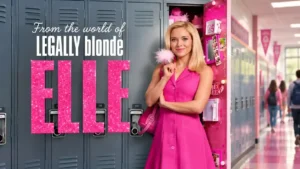
Elle, Season 1 Feature Scores
Overall Scorata score: 2.9/5
Based on 28 analyzed reviews · View source samples
Explore all 57 feature scores for Elle, Season 1, organized into pros and cons.
Scores by Feature
Summary
57 reviewed features-
Very positive 4.5-5.08 (14%)
-
Positive 3.5-4.411 (19%)
-
Neutral 2.5-3.412 (21%)
-
Negative 1.5-2.418 (32%)
-
Very negative below 1.58 (14%)
Pros
Sort
-
Minetree consistently earns admiration for her sunny energy and uncanny command of Elle’s gestures. Some regard that fidelity as mimicry rather than an individual interpretation.
-
June Diane Raphael is repeatedly singled out for her timing and warmth; Gabrielle Policano and some other young players also make a favorable impression.
-
Lexi Minetree is widely regarded as a convincing younger Elle, while June Diane Raphael often steals scenes. Some find the grown-up teen casting unconvincing.
-
Positive viewers are eager to see the relationships develop in another season, particularly after the romantic finale; others question the premise’s endurance.
-
The strongest teen scenes let Elle and her opposites build trust and recognize one another’s strengths, even if the journey follows a familiar template.
-
Moving a pink-clad optimist from sunny Los Angeles to gray Seattle creates an instantly legible contrast; some feel the one-note grunge portrayal wears thin.
-
Minetree’s exchanges with the young ensemble and her mother supply many of the sweetest scenes, particularly when unlike personalities begin connecting.
-
Fans of the teen relationships appreciate the last episode’s romantic development and its promise of further growth.
-
The mother-daughter bond is among the best-developed parts of the show. Eva’s adjustment to Seattle adds both funny moments and a more serious generational perspective.
-
When the familiar teen-drama rhythm clicks, the season goes down easily as a binge, especially for viewers seeking gentle entertainment.
-
The selection of 1990s rock and pop is a major highlight for some, although others feel the needle drops are too conspicuous or neglect genuine grunge.
-
Liz is praised as a relatable queer character rather than a stock figure, and the Liz–Kimberly relationship adds appealing chemistry.
-
Elle’s growing understanding of her mother gives the series an unexpectedly moving emotional core.
-
The later mystery-focused episodes can produce satisfying payoff, including a praised seventh installment, even if the borrowed school-movie structure is conspicuous.
-
The use of Garbage in the opening is praised as a smart fit for the rainy Seattle premise.
-
Its innocent, low-stakes approach makes Elle gentler than many contemporary teen dramas, although it still explores adolescent relationships and conflict.
-
Elle pursues school causes with enthusiasm and compassion, even when her well-meant intervention backfires.
-
The conspicuous color split between sunny pink Los Angeles and rainy flannel Seattle establishes the premise immediately, though the period detailing is sometimes heavy-handed.
-
A gentler and more innocent mood distinguishes Elle from edgier teen dramas, although some find the switch between comedy and drama clumsy.
Cons
Sort
-
The central concern is that Elle supposedly learns at 16 the lessons she first learns at Harvard years later. Watching it as a loose alternate version is often easier than treating it as strict canon.
-
The most consistent complaint is that the prequel recreates the movie’s fish-out-of-water growth story, with familiar teen-romance and school-mystery beats layered on top.
-
Repetitive movie callbacks, modern-sounding dialogue and familiar school tropes draw widespread criticism; strong supporting performances preserve some charm.
-
A charming lead does not fully settle whether Elle needed a high-school origin story. Many find the prequel redundant, though a few are persuaded by its self-contained warmth.
-
The 45-to-60-minute installments are frequently considered overlong for material several critics believe would suit half-hour episodes.
-
Several viewers think the students sound like present-day activists rather than teens in 1995; others question the story’s framing of a privileged newcomer as an outsider.
-
Familiar plot turns are often predictable, while the mixture of school corruption, romantic triangles and family drama sometimes feels scattered.
-
Elle remains likable to many, but the grunge-school students are often reduced to flat archetypes, and harsher reactions find the heroine self-absorbed.
-
The series carries enough familiar charm for a casual detour, but as a Legally Blonde prequel it often feels less inventive and emotionally sharp than its source.
-
The school-funds investigation brings Elle into proto-legal sleuthing, but some find the mystery lazy or increasingly convoluted.
-
The soundtrack and bright-versus-gray palette evoke the decade, but exaggerated Seattle grunge, uniform clothing and modern-sounding dialogue repeatedly draw criticism.
-
There are occasional clever lines and strong jokes from Elle’s parents, but many critics find the series more mildly amusing than genuinely funny.
-
A few find the full eight-episode journey pleasantly breezy, but many say the drama is stretched too thin.
-
The young Elle is sometimes endearingly fallible, but relearning her defining lessons before Harvard creates a serious characterization contradiction.
-
Seattle’s student body is criticized for looking and behaving too uniformly grunge, making the supposed nonconformity feel artificial.
-
The romances divide opinion: sweet and character-driven for some, a predictable and low-stakes triangle for others who already know Elle’s future.
-
Elle’s treatment by her Seattle peers raises questions about privilege and fairness, though some appreciation exists for the consequences of her own mistakes.
-
One sharply negative response argues that non-white and alternative-culture students are unfairly cast as villains in the rich newcomer’s story.
-
Some dialogue feels stiff and artificial, particularly when it tries to carry the genre clichés or period references.
-
Long school subplots sometimes drag, though more favorable viewers find the series picks up considerably after its weak opening.
-
Episode-ending twists can feel random and engineered to compensate for limited narrative momentum.
-
Prominent cosmetic, food and beauty-brand callouts disrupt scenes and can feel more like advertising than natural dialogue.
-
Wyatt frequently recedes into the background while Elle and her mother carry the more substantial arcs.
-
The first installment closely restages the film’s setup and can be clunky enough to put viewers off before the show develops its own rhythm.
-
Even sympathetic critics describe the prequel as cute but forgettable rather than something likely to become as enduring as the movie.
-
The school drama rarely reaches the emotional effectiveness of the lighter comic scenes, with some major dramatic beats described as clunky.
-
The promise of recognizable 1990s nostalgia can feel too heavily advertised at the expense of the actual story.
-
The best responses praise friendships that deepen through mistakes and empathy. Detractors argue Elle’s new growth duplicates and diminishes the original film.
-
The show ranges from cheerful comfort viewing to a tedious retread, depending on tolerance for teen-soap clichés and familiar franchise beats.
-
The series sometimes acknowledges Elle’s wealth and privilege through school-worker stories, but other viewers find the treatment superficial or inadvertently unfair.
-
Self-belief and resisting stereotypes remain worthy themes, yet the show frequently repeats rather than deepens the film’s message.
-
The pink-versus-flannel contrast communicates the move clearly but can leave the Seattle half of the show drab.
-
The familiar character and nostalgic framing have built-in appeal, but several critics doubt the show will become memorable beyond that recognition.
-
The younger cast shows promise, but some characters lack lives or motivations beyond their functions in Elle’s story.
-
Elle’s pink outfits are a delight for some, but the wall-to-wall dark flannel makes Seattle visually monotonous and at times historically implausible.
-
Pink stationery, Bruiser and famous lines offer affectionate callbacks, but the quantity of movie references often works against original storytelling.
-
Period songs, clothes and cultural nods delight some viewers, while others consider the volume of references an awkward substitute for a fresh story.
-
As a teen dramedy, Elle can be sweet and accessible, but its friendship squabbles, crushes and detention homage are often judged predictable.
Use Cases
Best for
Sort
-
All eight episodes can provide an easy nostalgia-driven weekend binge, especially for viewers happy with familiar teen-drama comforts.
-
Older viewers may appreciate the era-specific music and references, though nostalgia alone may not sustain them across the season.
-
Elle’s gradually deepening bonds with Liz and the other outsiders are among the best reasons to follow this story.
-
Its undemanding warmth suits a light, casual watch, provided viewers can overlook the derivative plotting.
-
A steady stream of recognizable 1990s artists gives music fans plenty to enjoy, even when the references become relentless.
-
No prior knowledge of the film is needed to follow the school storyline, though some find the material too generic to stand alone.
Conditional or not ideal for
Sort
-
Returning fan viewingFans will spot familiar jokes and symbols, but continuity contradictions may be especially distracting if they care about the movie’s character arc.
-
Inspirational viewingThe familiar empowerment message lacks the force and novelty that made the original feel inspirational.
-
Background viewingThe generic plots make it conceivable as secondary-screen entertainment, but that assessment is faint praise rather than enthusiasm.
-
Children's viewingOne critique finds the recycled story a poor substitute for fresh youth-centered programming rather than a strong recommendation for younger viewers.
-
Focused viewingOverlong episodes can make concentrated viewing feel unrewarding, particularly when the story treads water.
-
Weekly episodic viewingA familiar fish-out-of-water premise strikes one critic as too thin to sustain regular return visits over multiple seasons.
Cast & Creators
-
Elle WoodsHer sunny voice, mannerisms and charisma make the teenage Elle easy to recognize and frequently fun to watch. The main reservation is that her precision can feel too much like an imitation.
-
EvaShe is one of the production’s most consistently praised performers, bringing sharp comic timing and genuine warmth to Eva's adjustment to Seattle.
-
LizShe brings understated cool, humor and believable humanity to Liz, with chemistry that makes her friendship with Elle a highlight.
-
WyattHis comic work as Wyatt gets appreciative notices, although the character is often sidelined and given little substantial material.
-
Dean WilsonHis appearance as the school superintendent is described as charming by one critic and merely serviceable by another.
-
DustinHis performance gives Dustin an endearing quality that helps the potential romance feel more appealing.