
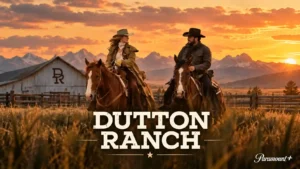
Dutton Ranch, Season 1 Feature Scores
Overall Scorata score: 3.9/5
Based on 20 analyzed reviews · View source samples
Explore all 49 feature scores for Dutton Ranch, Season 1, organized into pros and cons.
Scores by Feature
Summary
49 reviewed features-
Very positive 4.5-5.016 (33%)
-
Positive 3.5-4.417 (35%)
-
Neutral 2.5-3.47 (14%)
-
Negative 1.5-2.49 (18%)
Pros
Sort
-
Beth and Rip retain their well-established chemistry, while Beulah’s confrontations and Everett’s calmer rapport give the cast new sparks.
-
Beth and Rip remain engaging leads, and the outspoken women and newer ranch hands have memorable personalities. A softer Beth divides a few viewers.
-
Annette Bening and Ed Harris bring heavyweight talent to an already charismatic central pair; the expanded roster is a consistent attraction.
-
Texas introduces a richer supporting community and changes the leads’ status from powerful insiders to vulnerable newcomers.
-
The show closely preserves Yellowstone’s characters, score, Western style, and familial power struggles. That familiarity reassures fans but risks repetition.
-
Texas sunrises and wide-open ranch scenes are consistently beautiful, though a critic found the montage photography overly hurried.
-
The suffering of animals and a cowboy’s tragic past provide moving scenes beneath the swagger and territorial battles.
-
Most find a worthwhile return to the core Yellowstone flavor, though dissenters question how much has truly changed.
-
Beth gains softer shades, and new ranch hands receive personal histories; some find the antagonists shallow or Carter’s growth uneven.
-
Beulah is a formidable, layered rival with strong scenes against Beth; her family’s feuds take longer to ignite.
-
Land rivalries, family tensions, and livestock disasters create solid Western melodrama, although some consider the results tired or inert.
-
The couple still has its familiar edge and devotion, even as Texas demands a little more patience and humility from Beth.
-
Bening and Harris command attention, while the ranch hands add warmth and distinct personalities to the expanded cast.
-
The performances keep familiar plots watchable, with the lead duo and veteran newcomers offering particular strength.
-
Beth’s business instincts and Beulah’s commanding leadership make the women active drivers of the story rather than bystanders.
-
The sweeping, string-led Western score and rousing opening theme preserve the grand emotional register of the parent series.
-
Broad landscapes, slow-motion imagery, and dusty working-ranch textures recreate the stylish visual identity of Yellowstone.
-
Sun-soaked vistas, ranch bars, and a harsher Texas palette capture the immersive feeling of life on the range.
-
An unapologetic mix of modern Western, family soap, and ranch warfare mostly fulfills genre expectations without reaching the flagship’s epic scale.
-
The returning leads remain assured, though some argue Reilly is considerably more compelling than Hauser in these episodes.
-
Daily livestock work, herd disease, and cattle-market negotiations make ranching feel central to the story instead of mere scenery.
-
Less culture-war lecturing is widely welcomed, even as the relocation loses some of the parent show’s political and Indigenous context.
-
The injured horse and devastating cattle outbreak receive surprising compassion and weight, making animal vulnerability a standout part of the drama.
-
Beth and Rip’s steady devotion is widely loved; Carter and Oreana’s younger love story is much more divisive and often deemed underwritten.
-
Horseback danger and tough confrontations supply memorable bursts of Western action, particularly amid the wildfire.
-
The premiere swiftly establishes a new home and fresh adversaries, creating immediate stakes while remaining understandable to newcomers.
-
The Texan newcomers get promising introductions, but Beth often gets the richer scenes while Rip and Carter sometimes feel less well served.
-
Repeated ranch crises and a strong early escalation maintain tension for some, while others feel the stakes fade after the setup.
-
Atmospheric neo-Western imagery combines effectively with a rousing theme to set the mood immediately.
-
Some call it irresistible Western comfort food; others see a merely passable continuation or question why the story needs to exist.
-
The cattle ranch and Texas fields are attractively realized, maintaining the tactile visual fantasy of dusty ranch life.
-
The harsh Western violence is considered dramatically effective when it punctuates ranching conflicts and their consequences.
-
The fourth episode promises an explosive turn, but not all escalating threads achieve satisfying follow-through in the early stretch.
Cons
Sort
-
Some motivations and the wildfire relocation are underexplained, while the expanding subplots make the central conflict difficult to identify.
-
Moving the Duttons to Texas and turning them into outsiders brings novelty, but old rivalries and narrative machinery are very recognizable.
-
Early storylines take time to build, and some stretches feel slow even when later confrontations provide a payoff.
-
A slow-burn approach gives characters room to breathe, but multiple critics want the season to get to its central conflict sooner.
-
Beulah’s Texas twang is occasionally singled out as the weak link in an otherwise commanding portrayal.
-
Some montage staging feels rushed and poorly integrated with the surrounding ranch drama.
-
An anticipated Ed Harris singing moment cuts away before it can play, an especially frustrating missed opportunity.
-
The shift to Texas leaves behind the Native perspectives that supplied some of the original series’ nuance.
-
A staged musical moment frustratingly drops out of the audible scene, a small but noticeable missed opportunity.
-
The stubborn individualism at the story’s heart is criticized for treating hostility as virtue rather than exploring a richer conflict.
-
Terse Western sayings can be flavorful and eloquent, but others hear clichéd aphorisms, obvious motives, and flat exchanges.
-
The established Western-soap sensibility remains recognizable, but quick shifts between murder, ranch business, and teen romance can jar.
-
Morgan Wade’s bartender appearance is a pleasant touch for interested viewers, although her part has little room to grow.
-
The season juggles numerous concurrent conflicts, with some deft character revelations offset by abrupt exits and missing follow-through.
-
The script handles certain introductions and quieter bonds well, but familiar speeches and recycled conflicts hinder the overall effect.
-
The move to Texas creates promising survival stakes and rivals, but the early stories sometimes feel scattered, repetitive, or underpowered.
Use Cases
Best for
Sort
-
Followers of Yellowstone get more time with Beth and Rip and the same ranching drama, although familiarity can either comfort or tire them.
-
Neo-Western enthusiasts should appreciate the cattle work, tough dialogue, and family battles, provided they tolerate a measured pace.
-
The premiere outlines the new Texas setup clearly enough to jump in without prior viewing, though the couple’s deeper appeal rewards franchise knowledge.
Cast & Creators
-
Beulah JacksonBening makes Beulah a compelling rival, balancing menacing authority with hints of vulnerability and producing lively confrontations with Beth.
-
Everett McKinneyHarris brings warmth, gravitas, and a grounded presence as Everett, standing out in quiet scenes with Beth and Beulah.
-
Beth DuttonReilly remains an assured, magnetic Beth, particularly in scenes that reveal vulnerability without losing her edge.
-
Rip WheelerHauser resumes Rip’s rugged stoicism with the familiar chemistry that makes the central couple such an effective draw.
-
ComposerVivian’s work on the rousing theme helps establish the show’s grand neo-Western tone.
-
ComposerTyler’s contribution to the energetic title music supports the franchise’s recognizable Western atmosphere.
-
DirectorVoros captures beautiful Texas sunrises, although her attempts at sweeping ranch montages can feel rushed and unevenly integrated.
-
CreatorFeehan’s slower-burn storytelling is promising but makes the early chapters feel less urgent than the flagship.
-
CarolWade’s brief bartender appearance offers a small novelty, though the part leaves her little to work with.