
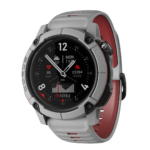
Coros Nomad Feature Scores
Explore all 52 feature scores for Coros Nomad, organized into pros and cons.
Scores by Feature
Summary
52 reviewed features-
Very positive 4.5-5.026 (50%)
-
Positive 3.5-4.411 (21%)
-
Neutral 2.5-3.49 (17%)
-
Negative 1.5-2.46 (12%)
Pros
Sort
-
Battery life is one of the Nomad’s clearest strengths. Reviewers repeatedly praised multi-week daily endurance and long GPS sessions, with real-world tests often matching or beating expectations.
-
Value for money is one of the strongest areas of agreement. Reviewers repeatedly praise the $349 positioning for delivering maps, long battery life, strong GPS, and broad outdoor features below many comparable rivals.
-
Offline mapping is one of the strongest reasons to buy the Nomad, with fast rendering, useful street and trail detail, and easy zooming. Navigation is less complete than Garmin’s deepest tools, and dense trail networks can expose limitations.
-
Workout coverage is exceptionally broad, spanning running, cycling, strength work, hiking, water sports, fishing, and many niche activities. Reviewers consistently see it as more than capable for endurance use.
-
Voice Pins sound gimmicky at first but win over many reviewers in practice. Geotagged notes, transcriptions, and route memories are especially useful for hikers, writers, and anyone documenting an adventure.
-
GPS is a standout strength. Across cities, trails, forests, long runs, and comparison devices, reviewers repeatedly found the Nomad accurate, stable, and close to leading watches.
-
Outdoor visibility is excellent for a MIP watch. High contrast, always-on behavior, and large readable data make quick glances easy in bright conditions.
-
The COROS companion app is a major strength: clear, information-rich, and easy to navigate. Route transfers, customization, journaling, and post-workout syncing are generally smooth.
-
Durability is consistently reassuring for outdoor use. Reviewers describe the watch as rugged, robust, and capable of handling demanding hikes, rides, gym work, and everyday wear.
-
The rugged styling is widely liked, especially the green and understated outdoor finishes. A notable counterpoint is that some reviewers see the exterior as too derivative of Garmin’s Instinct/Fenix design.
-
Charging is unusually convenient for a proprietary system. The small USB-C adapter travels well, can be kept on a keychain, and in some setups can even draw power from a phone.
-
Despite the chunky outdoor look, the Nomad is widely considered comfortable and light enough for long wear. Strap choice and wrist size matter, but several reviewers wore it all day without issue.
-
The newer processor makes the watch feel fast and responsive, especially when loading and moving maps. Reviewers repeatedly noted smooth scrolling with little or no lag.
-
Reviewers see the Nomad as a dependable outdoor tool that generally delivers what it promises. The strongest endorsements come from trail, hiking, cycling, and endurance use.
-
Fishing is more than a token mode here: anglers get dedicated tracking and location tools that several reviewers found unusually useful. The niche focus adds real value if fishing is part of your outdoor routine.
-
The case feels rugged and strong without becoming excessively heavy. Reviewers generally thought the polymer-heavy construction suits an outdoor watch well.
-
Charging speed is solid, with reviewers reporting roughly an hour to an hour and a half for a full charge. Short top-ups can meaningfully extend use between outings.
-
Heart-rate accuracy is generally good to excellent, especially during steady exercise, but results can lag during sharp intensity changes or difficult wrist conditions. Several reviewers still found it impressively close to chest straps or Apple watches.
-
Menu navigation is generally intuitive, especially with the digital crown plus touchscreen. Reviewers praised quick scrolling and map control without needing to fight the interface.
-
COROS offers plenty of watch faces and useful customization, with several reviewers specifically enjoying the variety. The options help the MIP screen shift between data-heavy outdoor use and simpler everyday looks.
-
Customization is extensive across data screens, widgets, watch faces, and buttons. Reviewers love the flexibility, though per-sport button setup can feel more cumbersome than it should.
-
The Nomad handles rain, showers, and swimming confidently at 5 ATM, but one reviewer wanted a higher rating for a true go-anywhere adventure watch. For normal outdoor use, the consensus is positive.
-
Wellness data is useful without being overly intrusive. Reviewers appreciate accessible sleep, HRV, steps, weather, and recovery context, especially when deeper analysis stays in the app.
-
Band impressions are mostly comfortable, especially for the nylon option, but the fastening hardware and wet/sweaty behavior drew recurring complaints. Fit can improve substantially with the preferred strap.
-
The third-generation MIP screen earns strong marks for clarity, contrast, and outdoor usefulness, but it still looks muted beside AMOLED. Buyers who value vivid color may see it as the main visual compromise.
-
Overall fitness tracking is dependable, with reviewers reporting good agreement and few major misses across varied workouts. It is not flawless, but the general tracking package inspires confidence.
-
Sleep timing generally lines up well with comparison devices, and reviewers reported accurate bed and wake times. The large case can be less comfortable overnight even when the measurements themselves are solid.
-
Fit is comfortable for many wrists, but the large case can feel bulky on smaller ones and is not ideal for everyone during sleep. The nylon strap often improves the experience.
-
The touchscreen is fast and usually handles sweat well, though one reviewer found it a little sensitive. Combined with the crown, it makes map and menu interaction easy.
-
Physical controls are useful and generally intuitive, especially the Action button and crown, but accidental dial rotation or button presses can interrupt rough rides. The hardware is capable but not perfectly guarded.
-
Recovery tools are useful and broadly plausible, but they do not capture every form of fatigue equally well. Muscle load, altitude, and some training nuances remain weaker than on more mature platforms.
-
Watch-to-app syncing is generally seamless and fast. Workouts move into the COROS app and onward to services such as Strava with little friction.
-
Resume Later is a small but highly practical outdoor feature. It lets long activities pause without trapping the watch in the workout screen, and one reviewer called it a personal favorite.
-
The interface ranges from very easy and clear to overly rudimentary depending on expectations. Fitness-focused users tend to appreciate the simplicity more than buyers coming from Apple or Wear OS.
-
Service-to-service integrations such as Strava, Komoot, TrainingPeaks, and other fitness platforms are broadly useful, but the Nomad does not support a rich ecosystem of on-watch third-party apps.
-
Step counts can differ by a few hundred versus competing watches over a long outing, but the discrepancy was small enough that one reviewer was unconcerned. It looks reasonable rather than perfectly matched.
-
Safety tracking is useful for sharing location with contacts, but it depends on a connected phone and cellular signal. It is helpful rather than a replacement for satellite SOS hardware.
Cons
Sort
-
Contactless payments are absent, and that omission comes up repeatedly when reviewers compare the Nomad with more complete smartwatches. It is a meaningful sacrifice for buyers who want to leave a phone or wallet behind.
-
The lack of a true LED flashlight is one of the most repeated hardware complaints. Some reviewers consider it more useful in daily outdoor life than the Nomad’s headline voice-note feature.
-
Calling is a weak point because the microphone does not turn the Nomad into a phone-replacement watch. Reviewers specifically missed the ability to take calls or reply by voice.
-
Automatic workout prompting is a notable gap. A reviewer who often forgets to start activities specifically wanted the watch to recognize movement and suggest recording.
-
Activity-sharing privacy has an important caveat: one reviewer wanted a way to hide start and end locations before sharing. That missing control can matter for routes that begin at home.
-
The microphone does not support a full voice assistant, which limits its everyday usefulness. At least one reviewer found that absence significant enough to prefer a flashlight instead.
-
Onboard music is functional but limited to local files rather than a richer streaming ecosystem. For many reviewers, that makes the feature less useful than music support on competing watches.
-
The single large case size is not ideal for every wrist. Multiple reviewers wanted a smaller option or advised smaller-wrist buyers to try it before committing.
-
The Nomad is deliberately fitness- and outdoors-first, which reviewers often like, but its smartwatch extras are sparse. Calls, payments, rich apps, and deeper lifestyle functions are the main sacrifices.
-
The broader on-watch app ecosystem is limited compared with more lifestyle-oriented rivals. COROS works better as a focused fitness platform than as an expandable smartwatch.
-
The MIP display favors endurance over illumination, and one reviewer disliked the inability to force an always-on backlight during activities. Dawn and low-light use can therefore depend more on wrist-raise timing.
-
The operating experience is streamlined for fitness rather than smartwatch polish. Reviewers comfortable with COROS appreciate the focus, but Apple and Wear OS users may find it rudimentary.
-
Notifications cover the basics but are not a polished smartwatch experience. Reviewers describe them as simple and limited compared with watches built around messaging and interaction.
-
Materials are practical rather than premium. The polymer body keeps weight down, while mineral glass and the absence of sapphire are recurring compromises for buyers who want luxury-level hardware.
-
Training guidance is useful but uneven. Reviewers liked the data-first approach, while physiological estimates and some training-load logic were criticized as less mature than the best rivals.