
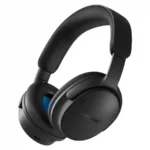
Bose QuietComfort (2nd Gen) Feature Scores
Explore all 76 feature scores for Bose QuietComfort (2nd Gen), organized into pros and cons.
Scores by Feature
Summary
76 reviewed features-
Very positive 4.5-5.035 (46%)
-
Positive 3.5-4.416 (21%)
-
Neutral 2.5-3.412 (16%)
-
Negative 1.5-2.48 (11%)
-
Very negative below 1.55 (7%)
Pros
Sort
-
Noise cancellation is the clearest strength. Most reviewers place it near flagship level, praising how well it suppresses travel rumble, office noise, and city ambience, though a few rivals can still edge it out.
-
Low weight is nearly universally praised and is a major reason the headphones disappear during long sessions. Reviewers consistently see it as a comfort advantage over heavier flagships.
-
The physical buttons are an across-the-board success. Reviewers repeatedly prefer their tactile, predictable operation to touch controls and find them easy to use without looking.
-
Comfort is one of the strongest areas overall. Most reviewers could wear the headphones for hours or full workdays, although a minority reported pressure or jaw fatigue from the firmer fit.
-
USB-C is one of the most praised upgrades, adding lossless wired playback, charging while listening, and broader laptop/phone usefulness. Reviewers repeatedly wish this were standard on more headphones.
-
Overall satisfaction is high, with many reviewers calling the headphones an easy daily driver or personal favorite. Negative reactions center mostly on price, materials, and battery life rather than the core listening experience.
-
Foldability and portability are excellent. The headphones collapse into a small footprint that fits easily in backpacks and carry-ons, a recurring advantage for travelers.
-
The refreshed design is widely liked for its clean shape and colorful finishes. Reviewers often call it modern and attractive, even when they criticize the plastic materials.
-
Sound quality is a major success for this generation. Reviewers consistently call it good to excellent, with more balanced tuning and better detail than earlier standard QuietComfort models, though Ultra-level refinement remains slightly ahead.
-
Travel is a natural fit for these headphones: strong ANC, low weight, compact folding, a small case, and USB-C/airplane-cable support repeatedly earn praise.
-
Glasses compatibility is excellent. Reviewers wearing glasses generally found the redesigned seal and ANC compensation preserved noise cancellation with little or no noticeable penalty.
-
Bass is usually described as punchy, satisfying, and controlled rather than muddy. A few reviewers found it either slightly too strong or too restrained, but most liked the balance.
-
Most reviewers recommend the QuietComfort 2nd Gen, especially for comfort, ANC, travel, and simple daily use. The main hesitation is paying full launch price when discounted alternatives or the Ultra are close.
-
The hard case is compact and highly travel-friendly, with several reviewers calling its small footprint a major advantage. One reviewer wished it had an easier carry tab.
-
Setup is generally very easy, with fast pairing and a straightforward app. The main usability wrinkle is that a few settings, such as fully disabling ANC, are more buried than expected.
-
Headband padding is consistently praised as soft, plush, and well distributed, helping the lightweight chassis remain comfortable over long sessions.
-
Transparency/Aware mode is usually rated good to very good, with clear voices and useful environmental awareness. Apple remains the common benchmark for a more natural outside-world sound.
-
Soundstage is generally spacious for a closed-back headphone and can widen further with Cinema or Immersive modes. The Ultra still sounds a little more open in direct comparisons.
-
Treble is generally crisp, smooth, and detailed without harshness. A few reviewers hear softened top-end air or slight recession, but the overall response is positive.
-
Passive isolation benefits from the tighter oval seal and plush cushions. Reviewers say the design meaningfully quiets the outside world even before ANC starts.
-
Factory tuning is one of the generation's biggest audio improvements. Reviewers repeatedly describe it as balanced, refined, and more tonally honest than earlier QuietComfort models.
-
Charging behavior is practical, especially quick top-ups and the ability to listen while charging. Full charging is not especially fast, but the convenience features are well received.
-
Earpad comfort is mostly praised for soft, plush cushioning and a good seal, but a few reviewers found the pads thinner or less plush than expected at this price.
-
Detail retrieval is generally strong, with reviewers hearing fine textures, vocals, and instrumental cues clearly. More revealing flagship models can still expose finer microdetail.
-
Wired high-resolution playback is a major strength. Reviewers consistently heard or valued the cleaner, more detailed lossless USB-C path, even when the improvement over Bluetooth was modest.
-
The Bose app is generally praised for being clean, simple, and approachable, though one review criticized its limited depth compared with cheaper rivals.
-
Multipoint reliability is excellent in the tests that covered it. Laptop-to-phone switching was fast and seamless, including incoming-call handoffs.
-
Midrange performance is usually clean and natural, especially for vocals, but some reviewers find mids slightly recessed or lacking the presence of the bass and treble.
-
ActiveSense is well regarded for softening sudden loud sounds while Aware mode remains usable. Reviewers found it helpful with train screeches, streetcars, and other sharp noise spikes.
-
Separation is a strong point, with guitars, keys, vocals, and layered parts generally easy to distinguish. USB-C listening can sharpen separation further.
-
The two included cables are useful and travel-friendly, especially for USB-C and in-flight analog sources. The main accessory complaint is the lack of a wall charger.
-
Immersive Audio is the most polarizing feature. Some reviewers love the wider, speaker-like presentation for movies, while others find it flattening, distracting, or not worth the battery hit.
-
Headband adjustment is secure but somewhat divisive. Some like the smooth, precise slider, while others find it stiff or miss the repeatability of the older notched design.
-
Clamp comfort varies by head shape. Several reviewers found the pressure ideal for sealing without fatigue, while others reported noticeable pressure after longer sessions.
-
Value is highly price-dependent. Many reviewers think the full $359 launch price is awkward, but the package becomes very compelling around $299 or when compared with substantially pricier flagships.
-
The standard black and white versions keep the low-key, understated QuietComfort look that one reviewer thought was exactly right for everyday wear.
-
Android setup was quick and painless in testing, with Google Fast Pair connecting to an Android device in only a few seconds.
-
Mashable gave the headphones its Choice Award treatment, placing them among products it describes as the best it has tested and loved.
-
A previous-generation ANC hiss was not noticeable to the CNET reviewer on this model, suggesting a clean idle noise floor in that test.
-
High-volume playback stayed controlled in one detailed test, with crisp highs that did not become shrill even when played loudly.
-
Replaceable ear cushions are strongly valued because worn pads can be swapped instead of forcing replacement of the whole headphone.
-
Spatial audio works especially well for movies, shows, and gaming according to one detailed comparison, adding an engaging sense of space.
-
The lightweight fit remained secure while walking around the city in testing, without requiring an overly tight clamp.
-
Replaceable cushions give the headphones a practical repairability advantage, letting owners renew the first wear item instead of retiring the whole product.
-
The power-on audio feedback drew an unusually enthusiastic response, with the reviewer describing the sound cue as satisfying.
-
Wind handling was excellent in one outdoor test, where the built-in wind mode kept feedback minimal even on a breezy day.
-
One reviewer subjected the headphones to rough bag and pocket use without seeing wear, suggesting encouraging early durability despite the plastic construction.
-
The adjustable Self Voice sidetone control is appreciated for letting callers choose how clearly they hear their own voice.
-
Spotify shortcut support was viewed as a useful convenience, giving quick one-button access to playback from the headphones.
-
ANC noise artifacts are mostly well controlled, with one reviewer reporting brief static during sudden spikes while another found the system stayed composed without pumping or hiss.
-
Bluetooth 5.4 drew a positive reaction in the preview coverage, though reviewers focused more on multipoint behavior than the version number itself.
Cons
Sort
-
aptX support is absent, which several reviewers see as a disappointing limitation for a premium wireless headphone, especially beside the Ultra's higher-resolution codec options.
-
LDAC is absent, and reviewers who care about high-resolution wireless playback see that as a meaningful competitive disadvantage.
-
With no water or sweat resistance rating, reviewers advise against rain, gym use, or workouts. These are clearly travel, commute, and desk headphones instead.
-
Wireless codec support is a clear limitation for enthusiasts: AAC and SBC are considered basic at this price, especially when rivals offer higher-resolution options.
-
Dark finishes show fingerprints and hand oils easily, so reviewers who care about appearance may find themselves wiping the headphones down often.
-
Build quality is a recurring concern: the lightweight plastic helps comfort, but many reviewers say it feels cheap, loose, or insufficiently premium for the price. A few units nevertheless held up well in use.
-
Software depth is a weak spot for the price. Several reviewers wanted richer features and more advanced customization than the relatively basic Bose experience provides.
-
The lack of head detection is a notable omission at this price, so the headphones do not automatically pause when removed.
-
Automatic pause on removal is missing, and the omission feels out of place on a premium-priced modern headphone.
-
One reviewer found the tuning became markedly worse with ANC disabled, making the normal noise-canceling mode important to the intended sound.
-
With ANC switched off, one test found bass became boomy and masked other detail, so the cleaner sound depends on leaving noise control engaged.
-
Battery life is the most repeated practical weakness. Around 24 hours is enough for ordinary use, but many reviewers consider it short for 2026, especially against 30- to 60-hour competitors.
-
Earcup rotation is a minor ergonomic weakness. Multiple reviewers dislike that the cups do not naturally lie flat in the preferred direction when worn around the neck.
-
Premium feel is inconsistent. Some reviewers like the softer padding and refined finish, but many say the plastic chassis feels cheaper than a $359 product should.
-
One test unit had hinges that felt overly loose and wobbly, reducing confidence when carrying the headphones without their case.
-
One reviewer found overall output volume too low even though the tonal balance and Cinema mode were otherwise strong.
-
Call quality is serviceable rather than class-leading. Quiet-room calls usually sound fine, but several reviewers report compressed voices, low volume, or mediocre intelligibility in noisy environments.
-
One reviewer noted sweaty earcups in warm conditions, a manageable but noticeable downside common to sealed over-ear designs.
-
Microphone noise reduction is inconsistent. Background and wind noise can leak through badly outdoors, though some tests found the newer processing improved voice isolation over the previous model.
-
Wired flexibility has a meaningful catch: there is no passive playback, so the headphones still need power even when cabled. That weakens the cable as a true dead-battery fallback.
-
The Bass Boost preset is useful but not perfectly balanced; one reviewer needed to raise the mids afterward to get the desired sound.
-
The three-band EQ is easy to understand but too limited for serious tuning. Casual users often find it sufficient, while enthusiasts repeatedly ask for more bands and finer control.
-
Dynamics receive mixed feedback. One review found the presentation compressed and managed, while another thought the headphones sounded convincingly lively and dynamic.
-
Feature breadth draws split reactions: the second generation adds meaningful capabilities, but one reviewer still found the overall feature set too light for a premium-priced model.
-
There is no native 3.5mm jack, which some reviewers consider a real loss, though the included USB-C-to-3.5mm cable softens the drawback for flights and analog sources.