
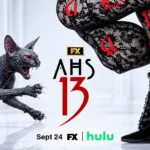
American Horror Story, Season 13 Feature Scores
Explore all 70 feature scores for American Horror Story, Season 13, organized into pros and cons.
Scores by Feature
Summary
70 reviewed features-
Very positive 4.5-5.08 (11%)
-
Positive 3.5-4.428 (40%)
-
Neutral 2.5-3.415 (21%)
-
Negative 1.5-2.419 (27%)
Pros
Sort
-
Lange repeatedly emerges as the opening season’s anchor, with Peters and Paulson also providing welcome range. Even admirers of the actors sometimes find their showcases unable to rescue the script.
-
Lange and the returning ensemble frequently elevate the material, while Pollari divides viewers between a useful audience surrogate and a flat lead. Some performances still feel strained or artificial.
-
Lavish gothic imagery, bold lighting, and distorted camera angles restore the recognizable early-season atmosphere. Some viewers enjoy the excess even when the plot is weak.
-
The lavish penthouse, carefully arranged rooms, fiery settings, and rich gothic detail are reliable strengths. The visual polish often outlasts confidence in the story.
-
The reunited veterans are a major attraction, and several viewers welcome Pollari and Waters as additions. One critic finds Peters too young for the historical-killer role being discussed.
-
The unsettling patient, confined penthouse, and looming supernatural conflict create strong dread for many viewers. Others find the mystery too heavy-handed or the tone too silly to sustain fear.
-
Fisheye lenses, disorienting angles, and rich color contrasts restore a distinctive horror atmosphere. Admirers find the images cinematic, while one critic sees the familiar techniques becoming repetitive.
-
Lange’s acidic instructions, the squabbling siblings, and self-aware ritual moments can be very funny. Other viewers find the modern killer jokes unnecessary or the camp undercut by self-seriousness.
-
Disturbing opening imagery, season-title books, and the familiar atmosphere make the titles an effective return to the series’ older horror identity.
-
Ben and Ashley can feel surprisingly grounded together, while the returning Cult siblings provide entertaining dinner-table friction. The bond between Pollari and Lange also supports their shared scenes.
-
Mr. Nas’s silent stares, grotesque movement, and mysterious role make him an effectively creepy antagonist. The ominous threat and unsettling doctor also generate interest.
-
Returning themes and Elsa’s musical number are enjoyable highlights for many viewers. One strongly negative reaction regards the extended Elsa showcase as unwanted time away from the story.
-
Cracking bones, labored breathing, and ominous audio contribute to a familiar, deeply unsettling atmosphere around Mr. Nas.
-
Mr. Nas’s grotesque body and transformation feel vividly tangible, and the bath sequences earn praise for their execution even when the imagery is unpleasant.
-
Petsch’s absurd cheerfulness and Notaro’s deadpan comedy fit the heightened world particularly well, bringing energy to brief appearances.
-
Viewers who approve of the slasher violence find the clown massacre and Piggy Man sequence entertainingly gory highlights.
-
The return to camp, grotesquerie, and dark comedy delights many longtime fans. Others find the switches between cartoonish ritual, grief drama, and serial-killer jokes unstable.
-
The gothic orchestral music strengthens the infernal atmosphere, and the return of recognizable themes is enthusiastically welcomed.
-
Brief episodes make the opening batch easy to watch together, even for someone who normally prefers taking a series slowly.
-
Tig Notaro’s arrival is welcomed, with her deadpan presence adding a surreal comic edge to the clown-school sequence.
-
Ben’s unexplained 616 branding is praised as a restrained, intriguing reveal. Other disclosures add questions faster than the story establishes their meaning.
-
The Portuguese dub cast is enthusiastically praised, with Mônica Rossa’s performance singled out as beautiful while the former voice is fondly missed.
-
Mr. Nas’s makeup is a standout for its grotesque detail and impressively convincing execution.
-
Several viewers enjoy the atmospheric opening and disturbing plane sequence. A strongly dissenting reaction finds the three-part premiere lazy, chaotic, and insufficiently developed.
-
Murphy’s premiere direction is praised for unsettling atmosphere and focused visual choices. Another critic finds the repeated use of signature techniques too predictable.
-
The deep mythology rewards fans who enjoy tracing old storylines and recognizing details. It can also overwhelm viewers who skipped seasons or need clearer connections.
-
Reports of early critical reception are favorable, although they describe small samples and contrast sharply with less satisfied audiences.
-
The ensemble’s diversity is valued as a strength, with Jamie Brewer emphasizing the range of people the series brings on screen.
-
Jamie Brewer’s scalloped neckline earns an enthusiastic reaction as a charming detail in the dark holiday gathering.
-
The clown-school massacre earns strong praise for its practical effects, which help make the carnage an enjoyable horror highlight.
-
The number 13 can be effective connective tissue, especially for viewers who enjoy its meta framing. Repetition and reductive occult imagery leave others feeling that symbolism is standing in for depth.
-
The plane disaster is praised for its staging, and the Piggy Man attack supplies a striking slasher set piece. Implausible reactions can weaken the latter’s impact.
-
The grief dinner creates genuine interpersonal tension when Ashley’s uncomfortable remarks complicate Ben’s idealized memory of Kira.
-
One optimistic viewer sees the compact total runtime as a possible restraint on the franchise’s tendency to wander away from its plot.
-
The human-scale grief thread is praised as the strongest material in one critical assessment, particularly when shared loss produces uneasy intimacy rather than another explanation.
-
One viewer accepts Madison’s offensive language as part of her established abrasive persona, although the phrasing of her new line still feels awkward.
Cons
Sort
-
Lange’s sharp delivery can make the conversations entertaining, but repetitive explanations and awkward attempts at wit are common complaints. The date-night exchanges particularly strain credibility for some viewers.
-
Heavy exposition repeatedly replaces scenes that could dramatize the mystery or grief. Redundant backstory recaps and explanations make the writing feel less confident in its audience.
-
The crowd of returning personalities often overwhelms the available time. Several beloved figures receive little beyond an entrance, a ritual cameo, or a brief nostalgic exchange.
-
Splitting the material into short, separate installments can feel arbitrary and uneven. Several viewers would prefer a longer episode that intercuts the storylines and sustains their connections.
-
The half-hour format is the most persistent practical concern, with some installments closer to twenty minutes. It helps quick viewing but often leaves too little room for the large ensemble and connected story.
-
New answers gradually emerge, but the many characters, rituals, and shifting timelines remain difficult to connect. Some enjoy the mystery; others want a clearer account of what is happening and why.
-
The shared-universe framework offers intriguing possibilities, but critics see recycled satanic plots, familiar scares, and a plane sequence reminiscent of Final Destination.
-
Brisk horror sequences compete with prolonged introductions, recaps, and static conversations. The fifth episode is frequently singled out for dragging the momentum down.
-
The Ben–Ashley connection occasionally feels grounded, but several viewers find Date Night painfully dull or dramatically pointless. The earlier relationship with Kira also fails to interest one admirer of the lead actor.
-
One critic objects to portraying old age as inherently creepy. Another finds the use of Dahmer’s real predatory behavior as an app joke careless and unearned.
-
The season often seems slow to move beyond reintroductions and setup. Later batches offer stronger conflict, but disconnected strands and a dull middle episode weaken momentum.
-
The intimate sponge-bath and urethra-cleaning material is repeatedly described as gross or uncomfortable. Praise for its execution does not remove that objection to the experience.
-
Constance remains a compellingly acidic presence, but Ben is often considered bland or frustratingly passive. Tate’s self-pitying ritual speech also irritates some viewers.
-
Constance’s wish to recover her children is a convincing continuation of her maternal obsession. Elsewhere, altered behavior and selective knowledge make familiar characters feel unlike themselves.
-
An affected Mid-Atlantic delivery grates in the serial-killer storyline, making the performance feel studied rather than natural.
-
Tate’s repeated mask removal looks conspicuously artificial to one viewer, with the apparent floating-head effect becoming a distraction.
-
The caregiver mystery and witch conflict offer promising material, but the season’s overall story sharply divides viewers. Admirers see a return to form; critics see recycled plots struggling beneath cameos and exposition.
-
The interconnected reunion loses some of the appeal of a season that can be watched independently, especially for viewers who enjoyed skipping installments that did not suit them.
-
Frequent cutting makes the opening story feel less fluid to one viewer, who wants scenes to connect more smoothly.
-
Repeated alarm over witches developing new abilities feels routine to one viewer, making each supposedly momentous escalation less convincing.
-
Ben’s decision to remain around obvious supernatural danger makes him seem implausibly passive to one frustrated viewer.
-
Missing release-time information makes finding the UK premiere frustrating, particularly for viewers hoping to watch before work.
-
The intersecting timelines offer ambitious possibilities, but unclear ghost rules and confusing time progression frustrate viewers. A cast member describes the planned intersections as carefully coordinated.
-
Ben’s use of a chatbot feels believable to one viewer, but Ashley’s behavior is difficult to accept as that of a real person unless later revelations explain it.
-
Cordelia’s apparent death hurts despite confusing plotting for one writer. Another finds the relentless numerical coincidences turning intended tragedies into jokes.
-
Weekly batches encourage enjoyable theorizing for one fan. The changing batch sizes and staggered international availability can also be confusing or frustrating.
-
Constance’s pact and some of the human grief material add welcome depth. Ben can feel underwritten, and critics of the second batch find the returning characters largely static.
-
Global grave robberies and the expanding supernatural setting suggest an ambitious larger threat. Inconsistent rules and oversimplified occult symbols can undermine that promise.
-
The portal reveal and witch attack create excitement for some viewers. Others find Cordelia’s apparent death cheap or emotionally empty because resurrection seems almost inevitable.
-
The sinister caregiver mystery and witch conflict can restore the series’ camp horror appeal. Critics find other stretches too familiar, too fantastical, or too tonally confused to frighten or entertain.
-
Longtime fans get the most from the returning characters and dense callbacks. The central caregiver mystery can work for newcomers, but many find the required background daunting.
-
The promised return to the original tone feels delivered to one viewer. Another sees the vague promotion as a reflection of the season’s unfocused collection of fan favorites.
-
The all-star reunion offers a rewarding homecoming for devoted fans. Its weakest moments reduce familiar characters to recognizable lines, disposable sacrifices, or cameos without enough story purpose.
-
The reunion ranges from wickedly enjoyable camp to an exhausting, tedious exercise in nostalgia. The clown massacre and Lange’s scenes are common pleasures, while Date Night draws especially harsh complaints.
Cast & Creators
-
Elsa MarsLange’s effortless Constance reprise is the most persistent performance highlight, with acidic delivery and commanding presence often carrying the opening. Elsa’s musical return is also warmly praised, although even Lange cannot make every extended scene engaging.
-
TatePeters’ multirole exchanges and energetic March reprise are recurring pleasures. Some viewers find the accent affected, the repeated mask reveals irritating, or the many personas indulgent.
-
supremePaulson’s authority as Cordelia and range across returning roles are valued. One enthusiastic viewer still finds the Supreme’s ominous warning overdramatic.
-
Mr. PhibesWaters is welcomed as a natural fit for the series’ camp horror world. His distinctive presence makes the medical-specialist role an appealing addition.
-
KiraPetsch is an excellent fit for the heightened material, with her absurd cheerfulness providing effective contrast. One admirer wishes her brief performance lasted longer.
-
Madison MontgomeryRoberts’ sharp-tongued Madison and well-timed signature entrance are enjoyed. Her satisfying return remains one of the recognizable pleasures of the crossover.
-
MalloryLourd’s quarrelling sibling scene with Peters is especially enjoyable, and her Mallory remains a welcome asset to the coven.
-
Twisty the ClownLynch’s Twisty return is enjoyed for its familiar menace, with the clown massacre reaffirming how frightening the character can be.
-
ActorNotaro’s deadpan energy fits the heightened world, adding a pleasingly surreal comic edge to the clown-school sequence.
-
Addie LangdonBrewer’s return draws enthusiastic praise, with her presence standing out in the dark holiday gathering.
-
ActorRossa’s Portuguese dubbing performance is praised as beautifully delivered and an admirable continuation of the role’s vocal legacy.
-
Ben DeSotoPollari divides viewers between a solid, grounding audience surrogate and an anxious, one-note lead. Admirers appreciate his work beside the veterans, while others find Ben insufficiently compelling.
-
Black DaliaSuvari’s Black Dahlia return earns an enthusiastic response, especially the character’s reveal behind the mask.
-
WriterMartel is credited with rising to the crossover’s writing challenge and bringing thematic ambition to the season.
-
QueenieSidibe’s Queenie is valued as a grounded, stabilizing presence in the coven ensemble.
-
WriterOne critic praises Carver for meeting the season’s writing challenge. A later reaction directly faults the creative team, including Carver, for the tedious fifth episode.
-
WriterFalchuk shares praise for a promising return to familiar strengths, but the spectacle-first storytelling and tedious date-night material also draw criticism.
-
DirectorMurphy receives praise for reuniting the cast, restoring the early atmosphere, and directing a strong opener. Detractors fault his current work for repetitive imagery, excessive nostalgia, and thin or lazy storytelling.