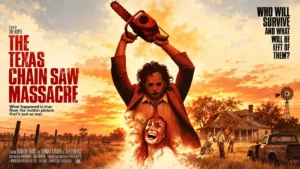
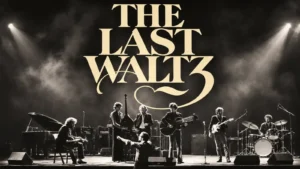
The Texas Chain Saw Massacre
Where It Has the Edge
- value for money is 5.0 vs 3.5. The reviewed collector editions are recommended for horror fans, particularly when their restoration and substantial extras matter. The...

Scorata scores summarize analyzed review evidence on a 1–5 scale; they are not laboratory measurements or a simple average of customer star ratings. Feature scores summarize the reviews covering that feature. The overall score averages feature scores within each review, then combines review averages. When both expert and customer evidence are available, those two groups receive equal weight. Products can have different review coverage, so small score gaps do not establish a winner.
Recommendations prioritize important features for the category, with a score of at least 3.5, a gap of at least 0.25 points and at least two supporting reviews per product. Features with widely varying scores or broad connectivity contexts are excluded from recommendations. These safeguards do not establish statistical significance.
Quick verdict
The review evidence points to a tradeoff: value for money versus editing quality and cinematography. Choose according to which strengths matter more to you; the overall score alone does not settle that choice.
Choose The Texas Chain Saw Massacre for value for money.
Choose The Last Waltz for editing quality and cinematography.
Scores are out of 5. Missing scores mean missing review evidence, not a missing feature.
Leatherface’s outfit and flesh mask create an instantly recognizable menace. The original mask remains a benchmark even when compared with a later sequel’s design.
The outfits range from memorable stage flair to distracting or ill-fitting choices.
Flashbulb noises, animal sounds, screams, and the chainsaw create a distinctive, immersive soundscape. The same relentless screaming becomes irritating or exhausting for some viewers.
The music recording and mixes deliver clear, rich sound with an enveloping sense of space.
Grimy grain, heat, and rough texture make the film feel distinctive and unnervingly authentic. Beautiful compositions coexist with the filth, though the look may seem dated to viewers used to digital polish.
The concert has a striking, theatrical visual identity rather than the look of a routine live recording.
Bone furniture, feathers, carcasses, and ominous small details make the farmhouse a standout horror setting. Its carefully arranged interiors are repeatedly admired as macabre works of art.
Chandeliers, theatrical sets and soundstage sequences give the farewell a grand visual setting.
Most praise a controlled buildup that becomes relentless once Leatherface arrives. Others find the opening sloppy or the second half too prolonged.
The alternation of music and interviews works for some viewers but feels sporadic to others.
The Dark Sky Blu-ray is praised for its clean, handsome image. Another viewer prefers a dirtier presentation, arguing that heavy cleanup weakens the film’s atmosphere.
The Blu-ray editions offer a clean, detailed, film-like picture with minor low-light limitations.
Sweaty heat, isolation, decay, and a documentary-like texture create suffocating dread for most viewers. A few find that deliberately miserable atmosphere oppressive without enough enjoyment in return.
Celebration and weariness coexist; viewers disagree on whether the performers radiate joy or exhaustion.
The strongest 4K assessments praise fine detail, balanced grain, and improved color without erasing the original texture. Another finds only modest gains because the rough 16mm source has inherent limits.
Criterion’s 4K restoration is praised for its clean, detailed, organic film image rather than modern digital sharpness.
The sensory assault can linger after the film ends, leaving a grimy, unsettled feeling. Its imagery also prompts unusually personal reflections on vulnerability and lost innocence.
The music can be exhilarating and moving, while the knowledge of the group’s exhaustion and later history adds melancholy.
The original is overwhelmingly regarded as a horror landmark whose dread still works. Dissenters find it overrated, unpleasant, or less satisfying than other classics.
Often regarded as a benchmark concert documentary, although not every viewer agrees it is the best of its kind.
Abrupt kills, rhythmic chase cutting, and frantic close-ups build relentless panic. Some viewers feel the shifts into chaos are too sudden, but most praise the cutting’s visceral precision.
The editing follows musical interplay and integrates interviews; some find the interruptions less effective.
The included interviews deliver entertaining production stories and candid personalities. Teri McMinn and John Dugan draw particular praise, though accounts and anecdotes sometimes overlap.
The interviews illuminate life on the road and band history for many, while others find them superficial, awkward or overly centered on Robertson.
The unconventional industrial and atonal score reinforces anxiety without a standard orchestral horror approach. Sparse music and deliberate silence make key shocks feel raw.
The evocative instrumental theme helps give the film a cinematic shape.
Low tracking angles, looming houses, and extreme eye close-ups turn ordinary spaces into a nightmare. The raw photography wins widespread praise, although a few find the restless camera nauseating or poorly controlled.
Carefully planned close-ups, sweeping camera moves and intimate framing turn the concert into cinema.
Photography, editing, sound, production design, and committed acting combine into a remarkably unified horror experience.
The musicians’ interplay and backing of one another make the concert feel like a genuine collaboration.
Meat production, institutional failure, capitalism, and human savagery give the film more depth than its simple premise suggests. A few find its apparent meaninglessness empty rather than provocative.
The tension between musical joy and the cost of touring gives the film depth, although some find the broader statement forced.
The film is widely praised for shaping the masked-killer slasher, the final girl, and generations of independent horror. Leatherface’s imagery remains especially recognizable.
The film helped establish the language of later concert documentaries and remains a cultural touchstone.
Hooper’s inventive angles, abrupt shocks, and escalating dread earn strong admiration, often even from viewers who dislike the film. A minority find the execution sloppy or excessively chaotic.
Scorsese’s carefully choreographed approach earns broad admiration, though his selective attention and interview framing draw criticism.
Documentaries, commentaries, interviews, and location tours offer substantial insight into the production. Collectors should expect repeated anecdotes across extras, with some older material looking and sounding rough.
Disc extras include informative commentaries, interviews and a surviving jam, though some materials are recycled.
The chainsaw dance and abrupt finish are frequently hailed as unforgettable. Sally’s escape brings little reassurance, and some dislike the lack of emotional release.
The closing performances and final image can be powerful, though the attempt to make a broader statement is not universally successful.
The treatment of humans as slaughterhouse animals gives the vegetarian argument force. Political anger and mistrust also help the horror express the anxieties of its era.
The film can be understood as a warning about the costs of fame and a celebration of community.
The sudden shocks, experimental craft, and pre-formulaic approach feel unusually distinctive. Even familiar slasher elements are credited with helping establish conventions that later films repeated.
The film’s ambitious approach to concert filmmaking stands apart from conventional recordings.
The Second Sight collectible set earns praise for striking artwork and careful presentation. Its hardback book and illustrated cards add appeal for collectors.
Collector editions receive praise for attractive packaging and informative illustrated booklets.
The reviewed collector editions are recommended for horror fans, particularly when their restoration and substantial extras matter. The Dark Sky set is explicitly judged worth its price.
The film is considered worth seeing, though a repackaged edition may offer little extra value to existing owners.
Many find the film exhilarating or deeply rewarding, while others respect its craft but dislike the experience. Its sustained misery makes enjoyment unusually dependent on tolerance for harsh horror.
A landmark concert movie for most viewers, although a few find the actual show underwhelming.
Repeat viewing often reveals more craft and can turn initial dislike into admiration. Others rarely revisit it because the terror is so punishing, or simply feel no pull to watch again.
Fans return to favorite performances and sometimes revisit the film annually, though less enthusiastic viewers find little reason to repeat it.
The Dark Sky remix highlights the film’s distinctive audio design. A different reviewed release’s mono presentation offers limited improvements and little home-theater spectacle.
The Blu-ray audio is warm, dynamic and well balanced in both stereo and surround.
The acting often feels raw and convincingly terrified, with Burns and Hansen receiving especially strong praise. Some find the supporting performances amateurish, dated, or overly shrill.
The Dark Sky Atmos mix receives enthusiastic praise for dynamic chainsaw and animal effects.
DVD sound earns approval for intelligibility and, on the anniversary edition, clear surround effects. The newer multichannel presentation is regarded as a worthwhile improvement over mono.
Guest stars deliver many of the film’s highlights, particularly the blues, gospel and soul numbers; a few appearances are less convincing.
The historical framing of the music can be troubling when it omits slavery and racial context.
Burns’s screams, desperation, and transition into hysteria make Sally’s ordeal intensely convincing. Her commitment often compensates for a protagonist with little conventional character development.
The live numbers often crackle with virtuosity, especially the standout guest performances, though some find the musicians tired or uneven.
The claim of a true story draws skepticism and direct disapproval. Its persuasive opening nevertheless helps establish the film’s unsettling sense of authenticity.
Leatherface’s limited exposure works in his favor, letting the broader family remain frightening instead of making him the sole attraction.
Distinctive lead voices and rich harmonies are major draws, with occasional guest vocals proving divisive.
The separately staged numbers, especially The Weight, often stand among the film’s best moments, though they are not a literal record of the live show.
Roots rock, blues, folk and soul come together in a rich musical showcase; not every song is equally successful.
Hansen’s physical acting and the unpredictable family ensemble make the villains memorable. The innocent supporting cast and Franklin’s whining receive more divided responses.
Leatherface’s chases supply heart-pounding momentum, especially Sally’s desperate run through the woods. Even less enthusiastic viewers single out the climactic pursuit as a highlight.
Older documentary interviews suffer from rough picture and sound, even when their production stories remain worthwhile.
The film showcases the musicians but Robertson’s prominence and limited attention to Hudson and Manuel raise concerns.
The remarkable guest lineup is a major attraction, even when individual appearances are uneven.
The victims are often criticized as thinly drawn, while Franklin’s whining divides viewers. Leatherface’s frightened, childlike behavior and the family’s contrasting personalities receive more enthusiastic attention.
The focus on performers creates a strong sense of intimacy, although omitting the crowd can diminish the communal concert atmosphere for some.
The film and disc supplements reveal the filmmaking and musical collaboration behind the concert.
Some viewers object to rural and working-class people being reduced to sadistic caricatures. The family’s horror can feel rooted in class stereotypes rather than fully developed characters.
Franklin’s portrayal divides opinion: one viewer finds its disabled outsider perspective refreshing, while another objects to one-dimensional comic-relief tropes.
The documentary’s perspective is shaped by its close association with Robertson and can feel unfair to the other members.
The film’s depiction of worn-out musicians and the culture of substance use adds an unsettling counterpoint to the music.
The reviewed DVDs generally improve cleanliness and clarity while retaining grain. Some miss the older flickering image’s voyeuristic, home-movie feel.
Disc commentaries offer detailed production and musical context.
The cannibal household mixes bullying, sibling friction, and grotesque domestic routines. That recognizable dysfunction makes the dinner sequence more disturbing and gives Leatherface unexpected vulnerability.
Close framing emphasizes the players and their interactions, though some miss the audience perspective.
The predominately male rock culture is visible, and the women performers provide some welcome contrast.
The interviews and performances place the band in a broader musical tradition, although some viewers want more depth.
A valuable cinematic record of a pivotal rock era and a remarkable gathering of musicians.
Twisted family behavior and absurd dinner-table business add black comedy. Some enjoy that derangement, while others find it jarring or think dated scares have become unintentionally funny.
Lighting creates rich color and mood, often tailored to individual performances.
Grandpa’s aged mask is singled out as one effect that has not held up as well as the film’s implied violence.
Standout performances and the farewell’s striking visual moments remain memorable long after viewing.
The concert is shaped into a film through its encore-first structure, staged numbers and interviews.
The musicians’ interview demeanor reveals weariness, tension and moments of insight even when they hold back.
Opening with the encore is an effective, unusual way to frame the farewell.
The simple survival plot can feel direct and coherent without elaborate backstory. One first-time viewer found the early scenes confusing before the story came together.
The poetry interludes divide viewers, with some finding them fitting and others strongly disliking the readings.
Sally’s survival is praised for feeling human and resourceful: she runs, pleads, and adapts rather than becoming an invulnerable action heroine.
Practical, subtle execution helps the horror retain its force over time. Leaving much of the injury to imagination also avoids the dated look of more explicit effects.
Sally’s final laughter suggests lasting trauma rather than uncomplicated victory. Escaping the killers does not feel like a full recovery.
The rural setting, grainy texture, natural reactions, and plausible progression into danger make the nightmare feel disturbingly close. Several viewers emphasize how ordinary the victims seem.
The roughly 83-minute length is widely appreciated for keeping a simple horror story focused. It gives the nightmare little room for filler or a comforting wind-down.
Abrupt appearances, implied injury, and sustained helplessness earn extensive praise for lasting terror. A smaller group finds the scares dated or describes the experience as disturbing rather than frightening.
The set spans many musical styles and guest artists, although some selections feel out of place or leave favorites out.
The narrative songs and intricate lyrics contribute to the music’s lasting appeal, although some historical implications are uncomfortable.
The low-fi effects receive praise for technical effectiveness and a believable documentary texture, even when the film itself is difficult to enjoy.
A simple road trip turning into a survival nightmare works best for viewers who value plausibility and primal fear. Others find the story thin, unnecessary, or dependent on coincidences.
A foreboding buildup gives way to prolonged panic, false safety, and desperate chases. The tension stays potent on repeat viewing for many, though predictability and frustration limit it for some.
The blunt title is praised as evocative and unforgettable, conjuring grisly expectations even before the film begins.
Committed, grim horror and sustained hopelessness often work powerfully together. One assessment finds the farcical family scenes undermine the earlier realism.
The film exposes exhaustion, tension and the costs of years on the road beneath the celebratory music.
Most praise how brief or off-camera violence lets imagination supply the horror. Others dislike the stomach-turning cruelty and its torture-focused attitude despite the limited visible gore.
The straightforward scenario wins praise for plausible progression and sharp horror ideas. Critics point to thin characterization, unexplained motives, and occasional narrative inconsistencies.
The disturbing dinner sequence raises particular concerns for children around ten, even though the film shows less gore than its reputation suggests.
Horror enthusiasts get an intense, influential experience that many consider essential viewing. Broad appeal is less certain: its punishing atmosphere and frenetic camera can alienate even experienced horror viewers.
The band’s playing and ability to shift styles are widely admired, though occasional solos and horn arrangements divide opinion.
The farewell evokes a vanished musical era, with its nostalgia tempered by the musicians’ exhaustion and troubled history.
The opening narration establishes the scenario clearly and convincingly. Larroquette’s newsreel-style delivery gives the fictional events an authoritative, unsettling weight.
The ambitious production turns a live concert into a polished cinematic event.
Barren roads, abandoned buildings, and open Texas fields form a familiar landscape that feels apocalyptic and unsafe.

A deeply human coming-of-age drama carried by remarkable performances and an honest portrayal of grief. Its gentle optimism moves most viewers, though some find the final stretch hurried or overly...
Pros: Grief portrayal, acting performance
Cons: pacing

Billie Jean King’s magnetic first-person storytelling makes this an exhilarating portrait of athletic courage and social change. The filmmaking follows a familiar documentary structure, and her full tennis résumé gets...
Pros: entertainment value, Biographical coverage
Cons: Narrative structure

Choose this inventive, unsettling documentary for fearless questioning, dark humor, and unpredictable storytelling. Skip it if you want a short, straightforward exposé with definitive answers.
Pros: originality, humor

A singular voice, powerful piano playing and intimate film photography make this concert absorbing for receptive listeners. Its uninterrupted, often similar-sounding songs and lack of background context are an acquired...
Pros: directing quality, cinematography
Cons: pacing, Song variety