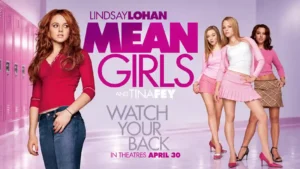

Mean Girls
Where It Has the Edge
No clear scored advantage over the other product.

Scorata scores summarize analyzed review evidence on a 1–5 scale; they are not laboratory measurements or a simple average of customer star ratings. Feature scores summarize the reviews covering that feature. The overall score averages feature scores within each review, then combines review averages. When both expert and customer evidence are available, those two groups receive equal weight. Products can have different review coverage, so small score gaps do not establish a winner.
Recommendations prioritize important features for the category, with a score of at least 3.5, a gap of at least 0.25 points and at least two supporting reviews per product. Features with widely varying scores or broad connectivity contexts are excluded from recommendations. These safeguards do not establish statistical significance.
Quick verdict
The available evidence supports the recommendation below, but does not establish an overall winner. Check the remaining features against your priorities.
There is not enough comparable review evidence to recommend Mean Girls over the other product.
Choose The Body for visual style and soundtrack quality.
No clear scored advantage over the other product.
Scores are out of 5. Missing scores mean missing review evidence, not a missing feature.
The quotable scenes and recognizable social dynamics often retain their appeal over many viewings. One retrospective warns that revisiting it exposes more dated material and weaker performances than nostalgia suggests.
Some details and surreal moments improve on reconsideration, but the heaviness and uneven resolution reduce the urge to watch again for others.
Most sources find an enjoyable, energetic comedy that remains fun to revisit. A few are less enthusiastic, especially when dated jokes or moralizing interrupt the enjoyment.
Despite polarizing pacing and mystery payoffs, many find the mixture of camp, secrets and strong performances hard to resist.
The mixture of light comedy and darker social themes works well for many viewers. Others find the film uneven or feel its sentimental third act compromises the sharper tone.
The shifting blend of religious horror, dark comedy and teen romance can feel fresh, but several critics find the serious and campy strands at odds.
The film uses recognizable teen-comedy plotting, which some find overly familiar. An enthusiastic assessment praises its avoidance of the genre’s usual contrivances.
Its ingredients are familiar from Y2K teen films, yet the explicit queer perspective and treatment of religious groupthink often feel surprisingly fresh.
Most assessments celebrate the ensemble and Lohan’s fit as Cady. Reservations focus on Meadows’ adult flirtation and Aaron looking too old for high school.
The relative newcomers largely work to the show’s advantage, allowing the student ensemble to feel like a coherent high-school circle.
Clear editing and the bathroom transition work well, while the split-screen phone scene stands out. One assessment finds the editing functional without adding much visual excitement.
This element receives positive notices for adding to the show’s atmosphere and social tension.
Many recognize their own school experiences in the clique politics, outsider anxiety, and petty behavior. Dissenting accounts question the smart-versus-popular stereotype and Cady’s credibility.
This element receives positive notices for adding to the show’s atmosphere and social tension.
The ensemble works well together, with particular affection for Janis and Damian’s believable friendship. The adult romance charms some viewers but feels awkward to another.
The uneasy bond between Anya and Elise is a highlight, with palpable affection, attraction and resentment carrying much of the emotional drama.
The crush subplot adds engaging romance without requiring contrived heartbreak. Its relatively reasonable handling receives favorable notice.
Anya and Elise’s hesitant relationship supplies genuine longing and hurt, though Anya’s repeated denials can grow frustrating.
Some praise understandable misunderstandings that arise naturally from the characters. Others find Cady’s changes of allegiance and the handling of consequences messy or insufficiently logical.
The web of visions, withheld information and competing motives can grow confusing, and several viewers feel the series deliberately withholds too much.
The social conflicts create effective dramatic fireworks. The blend of comedy and hurt helps make the characters’ experiences memorable.
Interpersonal pressure and conflicted school friendships carry more weight than the supernatural spectacle.
Janis and Damian feel like convincing friends, while Cady’s shifting loyalties show how social pressure can distort relationships. The friendships are valued for including jealousy and manipulation rather than simple idealization.
The girls’ intimacy, jealousy and changing allegiances vividly show how teenage friendships can become protective and destructive.
The original’s relative restraint is appreciated beside the remake. Other sources object to the sexualized school dance and the coach’s involvement with a student.
Some viewers praise the explicit material for avoiding cheap shock, while others question the way the imagery sexualizes schoolgirls.
Sharp barbs, oddball exchanges, and endlessly quoted lines are among the film’s most consistent strengths. The dialogue remains memorable even for viewers who dislike other parts of the movie.
Cutting one-liners and pointed exchanges between the girls bring wit and credibility to the heightened school drama.
The familiar infiltration story works for some viewers. Others find awkward plotting, implausible developments, or strong individual scenes that do not form a cohesive whole.
A botched initiation turns into an absorbing study of guilt and group loyalty. The central setup is stronger than some of the loosely connected subplots and unresolved questions.
Fey’s sharp dialogue and social observation are repeatedly credited with making a familiar premise distinctive. Messy structure, moralizing, and dated stereotypes are the main objections.
The sharpest writing captures adolescent dialogue, secrets and social power; detractors say the ambitious script sacrifices fully developed subplots for themes.
Cady’s slide into popularity and the Plastics’ insecurities give familiar archetypes surprising depth. The main dispute is whether her final redemption feels earned.
Opinions split sharply: some find richly conflicted leads and rewarding arcs, while others find too many one-note teammates and underexplained choices.
The crown-sharing reconciliation is heartfelt and insightful for some viewers. Others find the finale sappy, rushed, or inconsistent with the sharper satire that precedes it.
The unresolved finale is divisive. Some appreciate its commitment to ambiguity, while others see a frustrating cliffhanger designed to require another season.
Specific camera moves and the bathroom transition draw admiration. Another assessment finds the lighting competent but the overall visual storytelling short on spark.
Shadowy framing and evocative religious imagery impress some viewers; others complain that the intentionally dim photography makes scenes hard to follow.
The satire explores insecurity, popularity, peer pressure, and the damage of cruelty with unusual insight for a teen comedy. Its relevance often extends to adult social life.
Faith, guilt, sexuality, belonging and social contagion give the story substantial ideas. Some feel its many concerns never receive adequate follow-through.
Caustic satire, clever barbs, and deadpan supporting performances produce many of the strongest reactions. Dated stereotypes, occasional slapstick, and a softer final act limit the comedy for some viewers.
Biting locker-room insults, taboo jokes and dark camp often land; a few viewers wish the show committed more fully to comedy.
The disc’s clean dialogue and solid front-channel output work well, while the bus sound enhances a celebrated comic scene. A separate critique notes a mismatch between a vomit sound and the visible action.
Religious-sounding audio cues make everyday scenes feel ominous without relying solely on conventional scares.
The glossy presentation and animal-world fantasies have fans. Another assessment finds too little visual invention beyond those fantasy sequences.
The series combines bedazzled Y2K fashion with gothic religious symbols, striking a vivid and occasionally lurid balance.
Snappy early-2000s styling helps make the characters memorable, and the costume design earns especially strong praise. Cady’s low-cut wardrobe and an unconvincing Halloween costume attract criticism.
The velour tracksuits, branded bags and conspicuously sexy Halloween outfits make the period legible and help define the school’s social order.
The Plastics, Janis, Damian, and the adult characters supply many of the most memorable comic moments. Meadows’ performance is widely admired, though one source finds his flirting awkward.
Secondary performances add warmth, comic relief and the perspective of more skeptical students, although a few peripheral boys feel underused.
The song selection earns praise for supporting the tone and providing a lively soundtrack. One retrospective likes a few moments but finds the overall collection repetitive and boring.
Y2K pop hits provide energy and era-specific fun, while choral and religious cues help set the dread; some find those ominous passages repetitive.
The ensemble is a major strength, with memorable comic turns across the students and adults. A dissenting retrospective finds the leads weaker than the supporting players.
The young cast is repeatedly called the series’ biggest strength. Performers make cruelty, guilt, longing and manipulation feel immediate, even when the writing is thin.
The trailer can undersell the wit or overemphasize slapstick that is unlike the rest of the film. Other criticism targets inflated claims of sociological importance and marketing that narrowed its perceived appeal.
Several critics feel the horror-heavy positioning oversells the actual scares, which are mostly psychological rather than supernatural spectacle.
The 4K disc adds pleasing texture and stronger colors while preserving a light film-grain structure. Warm skin tones and occasionally borderline blacks keep the transfer from being flawless.
Moody school corridors, ritual imagery and ominous music create sustained psychological unease, though the visual darkness is sometimes overdone.
The unfolding deceptions can make the next episode hard to resist, although the disturbing material and deliberate pace make a marathon demanding.
The original film’s commentary earns praise for being interesting and funny. The 4K disc’s new featurette draws strong criticism for centering the remake cast and adding little value.
The story’s open questions encourage speculation, but delayed or unrewarding payoffs make some cliffhangers irritating rather than thrilling.
The combination of Fey’s script, Waters’ direction, and Lohan’s rapport with the director helps the performances and character development work.
Catchphrases, memes, and enduring references make the film a major pop-culture touchstone. Several sources credit it with reshaping expectations for teen comedies.
Several retrospective assessments criticize the racial stereotypes and reductive treatment of Africa. A more enthusiastic defense considers the jokes inoffensive, so views differ sharply on how well this material has aged.
The Jingle Bell Rock sequence is a favorite comic set piece for one source. Another finds its staging contrived to produce the necessary mishap.
The occasional dance routine is lively and stylish, but multiple viewers regret how little choreography appears in a series built around a dance team.
Waters often earns credit for natural comic timing and sympathetic characters. Some find the filmmaking visually ordinary or the staging too convenient for the jokes.
A surreal early sequence momentarily disrupts the immersion for one viewer, although it makes more sense in hindsight.
Cady’s awkward first days and the pressures on the girls evoke strong personal recognition. The humor gains weight from those uncomfortable, familiar feelings.
Individual episodes can be taut and lively, especially the early suspense, even when the full season loses momentum.
The first episode establishes a teasing mystery that immediately invites questions about what is real and what is imagined.
Some praise the transformation of a nonfiction guide into sharp social comedy. One assessment disputes the adaptation claim, arguing that the film borrows little beyond terms and a few details.
One assessment finds the film edgy even within PG-13 limits and cautions families about younger children watching it.
The combination of psychological suspense, queer teen drama and Catholic horror makes the show distinctive. It also frustrates viewers who want one genre to take the lead.
The film frequently ranks among the strongest teen comedies of its era. A sharply negative assessment finds it bland beside more daring high-school films.
Retrospective assessments flag slurs and insensitive dialogue as dated. Affection for the comedy does not eliminate those reservations.
Anya and Elise’s attraction, denial and emotional damage are central rather than subtext, and the portrayal of queer repression receives widespread praise.
The oppressive shadows support the mood, but some viewers think the production sacrifices basic visibility for its ominous look.
The anti-cruelty and self-acceptance lessons resonate strongly with many viewers. Others see contradictions in a film that condemns bullying while using appearance-based mockery for laughs.
The uncertainty is a feature for some, who enjoy debating faith and groupthink; others want firmer explanations after eight episodes.
Keeping miracles and visions unexplained is praised for respecting the story’s central questions, but it may frustrate those who require definitive answers.
Revisiting guilt and religious panic across eight hours eventually feels repetitive to several critics.
The emotional through-line of troubled friendships keeps the season together better than its deliberately uncertain supernatural puzzle.
The early setup and phone-call comedy can move briskly, and some find the film gains laughs as it goes. Others want trimming or feel the momentum weakens near the conclusion.
Flip phones, AIM messages and velour costumes establish 2004 effectively, although at least one critic notices anachronistic fashion choices.
The cafeteria’s conspicuous Coke products draw a mocking complaint about brand saturation.
The spreading visions and shared belief make an unsettling picture of groupthink, showing how fear and status can turn rumors into communal certainty.
Rather than giving an uncomplicated answer about miracles, the show uses belief to examine guilt, repression and social control.
The unresolved questions and investment in the central relationships have generated clear interest in seeing where a second season might go.
One assessment would welcome trimming, suggesting the film carries more material than it needs.
Uneasy choral and ethereal music supports the sense that something is wrong even during ordinary school drama.
The finale expands the religious mystery rather than neatly settling it, leaving several character and supernatural questions in the air.
Eight episodes are a difficult sell for some viewers who feel this relatively simple central incident needed fewer hours.
The slow-burning atmosphere rewards patient viewers, but sluggish middle and late episodes are one of the most frequent complaints.
Secrets, competing loyalties and religious panic create dread more effectively than big jump scares; several commentators praise the scene-to-scene tension.
Crosses, communion, group formations and serpents repeatedly echo the girls’ divided loyalties and competing beliefs.
The rhinestone-styled title graphics contribute to the cheeky, glamorous early-2000s presentation.
Lisbeth is a recurring standout: unsettling, manipulative and oddly pitiable, even among viewers who question how convincingly her transformation is written.
The sudden bus accident works as a surprising comic resolution for one source. Another criticizes its treatment as a fake-out that does not follow through.
The edgy PG-13 material prompted a specific caution against showing it to younger children.
The school satire appeals to teens, nostalgic adults, and viewers who recognize clique behavior beyond the classroom. Some find its lessons especially useful, while one retrospective recommends it with reservations.
Lisbeth’s threatening oddness and the girls’ complicated motivations create compelling personalities, but some critics find the surrounding ensemble difficult to connect with.
The early-2000s culture and pop references are a delight for many, especially millennials, though a few find the nostalgia shallow or overplayed.
The narration can clarify Cady’s intelligence and outsider perspective. Other accounts find it assumptive or too eager to explain what the audience already understands.
The 4K release disappoints by retaining the earlier 5.1 mix rather than adding an Atmos upgrade. Its existing audio still earns separate praise for clarity.
Lohan usually earns praise for charm, restraint, and keeping Cady sympathetic through her transformation. A dissenting retrospective finds her limited and unconvincing, and another dislikes her screen impression.
Night scenes are repeatedly described as excessively dark, leaving some viewers adjusting screen brightness to see important action.
The leads give the dance-team rivalry and emotional repression vivid personalities; the strongest praise goes to the central trio.
The bathrooms feel like authentic places for school gossip and scheming. A separate critique dislikes the cluttered poster arrangement in a room.
Cady’s outsider perspective gives the school’s cliques and rituals a useful anthropological frame.
The period sets, ambitious atmosphere and casting contribute to a polished presentation, even when the story wobbles.

Choose this inventive, unsettling documentary for fearless questioning, dark humor, and unpredictable storytelling. Skip it if you want a short, straightforward exposé with definitive answers.
Pros: originality, humor

Extraordinary performances and richly observed relationships make this a rewarding, emotionally forceful drama. Its nearly three-hour length and slow opening demand patience and undivided attention.
Pros: class commentary, character development

Best for a hypnotic, bookish mystery with tactile visuals and cerebral chills. Skip it if reading-heavy, attention-demanding storytelling sounds more exhausting than exciting.
Pros: Atmosphere, cinematography
Cons: audience appeal

Best for an intimate, searching documentary that rewards focused attention and invites discussion. Skip it when devastating grief, addiction footage, and unresolved family tensions would be too much.
Pros: emotional impact, theme depth