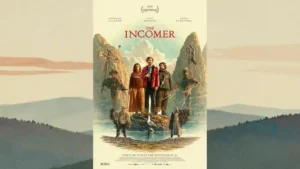
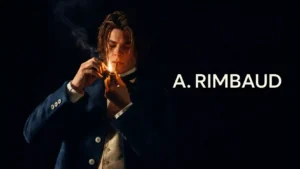
The Incomer
Where It Has the Edge
No clear scored advantage over the other product.

Scorata scores summarize analyzed review evidence on a 1–5 scale; they are not laboratory measurements or a simple average of customer star ratings. Feature scores summarize the reviews covering that feature. The overall score averages feature scores within each review, then combines review averages. When both expert and customer evidence are available, those two groups receive equal weight. Products can have different review coverage, so small score gaps do not establish a winner.
Recommendations prioritize important features for the category, with a score of at least 3.5, a gap of at least 0.25 points and at least two supporting reviews per product. Features with widely varying scores or broad connectivity contexts are excluded from recommendations. These safeguards do not establish statistical significance.
Quick verdict
The available evidence supports the recommendation below, but does not establish an overall winner. Check the remaining features against your priorities.
There is not enough comparable review evidence to recommend The Incomer over the other product.
Choose A. Rimbaud for ending satisfaction and emotional impact.
No clear scored advantage over the other product.
Scores are out of 5. Missing scores mean missing review evidence, not a missing feature.
The story is broadly seen as a sweet, strange fable about isolation, grief, and connection. Its emotional sincerity wins over many viewers even when the plot follows familiar paths.
The story of a poetic prodigy turned merchant is intriguing, but his dramatic transformation can remain opaque even when the performance is compelling.
The route from hostility to connection is often predictable and follows familiar outsider-story beats. The execution, performances, and folklore details are what keep that familiar structure engaging.
Few biopics look or sound like this one-man performance with instrumental conversations. Its extreme formal originality draws some of the film’s most enthusiastic praise.
The score is highly taste-dependent. Its folk-inflected, quirky textures can deepen the island atmosphere, but the plucky strings and horns sometimes feel overly insistent.
Dan Schlosberg’s music supplies both dramatic energy and the film’s invisible supporting characters. Its orchestration is a standout element.
The screenplay earns praise for emotional grounding, character affection, and oddball consistency, but repetition and underdeveloped characters expose weaknesses in the longer format.
The script and reworked English poetry show a precise ear for rhythm and literary personality. A staged version of the poems’ creative process is especially impressive.
As an adult folk-comedy fable, the film is distinctive and often charming, though its aggressively quaint side can overwhelm viewers resistant to twee humor.
This is a formally audacious biopic rather than a conventional historical recreation. The unusual craft is rewarding, though the long, isolating design can be tiring.
The ending generally restores the film’s emotional footing, with self-acceptance and earned change landing well. A few reactions note a slight late decline before the final payoff.
The conclusion connects the poet’s earlier and later selves in an affecting final image. Its echoes of the opening give the formal journey a sense of purpose.
A few logistical details around the authorities’ delayed response do not add up cleanly, creating small gaps in an otherwise easy-to-follow setup.
The abrupt shift from poetry to commerce remains hard to understand, and some important aspects of the poet’s public life feel underexplained.
Momentum is uneven: several responses flag repetition, overlong detours, or a loss of steam after the first hour. Others find the comic action brisk enough to keep the film moving.
The movie can be hypnotic when its experiments click, but its circular opening stretch and extended monologues repeatedly draw complaints. Reactions to the slow rhythm vary widely.
Beneath the silliness, the film often lands as tender and unexpectedly moving, especially around grief, loneliness, and human connection. A few takes find the emotional foundation too light for the darker turns.
The solitary presentation eventually makes age, estrangement and mortality feel intimate. Several of the strongest moments arrive in the final act.
Paxton’s direction is widely admired for visual control, straight-faced handling of absurdity, and gentle fable-like texture. Some see first-feature growing pains and occasional over-stylization.
Patrick Wang turns shoestring restrictions into a distinct cinematic language. The bold control impresses many, although some believe the experiment runs past its natural length.
The hand-drawn animation is consistently praised for turning the island’s folklore into a storybook world. Several responses wanted even more of it.
Small animated tricks, including swaying chalk grass and stop-motion-like movement, add visual life without breaking the minimalist setting.
Editing choices are used effectively for comic timing and tension, especially concise cuts and focal-length-driven sequences. The craft is stronger than the screenplay’s repetitive stretches.
Unusual cutting patterns animate the single performer, and the editing provides moments of energy even for those who find the film too long.
Isla and the sibling bond receive meaningful emotional layering, but Daniel and especially Sandy can feel underdeveloped in weaker stretches. The character work is strongest when loneliness and changing relationships take precedence over quirks.
The leap from rebellious young poet to practical merchant becomes a central fascination. The change feels meaningful to some but insufficiently explained to others.
Themes of loneliness, inherited fear, belonging, grief, and change give the comedy real substance. Some takes find those ideas underexplored or too surface-level, but the emotional intent is consistently clear.
The film explores the relationship between language, isolation, artistic creation and an uneasy adult compromise with society.
The Scottish setting is photographed with striking natural beauty, from verdant landscapes and cold coastlines to intimate natural-light interiors. Even negative takes regularly single out the imagery.
Close-ups, 35mm texture and meticulous framing make a bare stage feel unusually expressive. The camera repeatedly discovers new visual possibilities in very little physical space.
The siblings’ verbal sparring is sharp and absurd while remaining emotionally sincere, helping the strange behavior feel internally believable.
The language retains a poetic rhythm, especially in the translated verse and letters. Some of the monologues become exhausting even as their phrasing remains artful.
The creature makeup and prosthetics give the Fin Man a memorable, menacing seal-like appearance and are singled out as impressive craft work.
Subtle aging prosthetics help the sole actor move credibly from youth toward illness and premature decline.
At 102 minutes, the film feels overextended to some, with repeated beats and an elongated climax making a tighter cut seem preferable.
At 175 minutes, the solo presentation is a significant commitment. Some find the visual invention sustains it, while others would cut an hour or add an intermission.
Its eccentricity is the dividing line: some see broad, crowd-pleasing charm, while others find the twee, overt weirdness alienating. Viewers already fond of offbeat indie comedy are the clearest fit.
The daring format can be absorbing, but its demanding length and difficult central figure narrow its appeal. It is unlikely to satisfy viewers seeking an easy historical drama.
Natural wind, birds, and crashing water are captured vividly, giving the island an elemental presence that often works better than the busier musical cues.
Ambient sounds help create locations that are barely visible, while instruments replace conversational voices. Some find the aural world brilliant; others wish its background detail had more presence.
The island cottage is a particularly strong piece of production design, feeling lived-in and organically tied to the siblings’ isolated life.
A signpost, a table or a painted suggestion can evoke entire settings on the bare stage. The restraint is inventive, although it asks the audience to fill in much of the world.
Natural color, rugged scenery, animation, and carefully composed interiors create a vivid storybook look without making the island feel glossy or artificial.
The bare black-box imagery is transformed by close-ups, changing backdrops, visual distortions and theatrical light. Some find it continually exhilarating, while others think the novelty eventually fades.
Gleeson’s lead comic work is a highlight, with his committed awkwardness and willingness to join the islanders’ rituals making Daniel especially watchable.
Blake Draper is repeatedly singled out for carrying the entire movie and making Rimbaud’s changing temperament convincing. A few find the later scenes less vivid than his youthful energy.
The ensemble is a major strength: the three leads repeatedly make the oddball material feel committed, funny, and emotionally grounded. Even more skeptical takes tend to praise the cast.
Blake Draper gives an unusually large, detailed performance as Rimbaud across decades. His changing physical and emotional register is a major attraction.
The brooding, unnerving soundtrack is an important part of the film’s sensory identity, adding a darker current beneath the comedy.
Strings, brass and woodwinds animate the spare staging with an expressive musical range that makes the opening and many conversations especially memorable.
Most responses find the film easy to enjoy, watchable, and warmly entertaining, with a handful of detractors who never connect with its style. Its strongest entertainment value comes from the cast and oddball comedy.
For adventurous viewers, the invention and powerful performance make this a standout experience. Even admirers recognize that its unconventional approach demands commitment.
The late action works best when physical comedy and genuine emotion share the same scene, giving the finale energy without abandoning the film’s eccentric tone.
The black-box setting makes a poet’s creative imagination feel theatrical without losing the close detail of cinema. The stylized treatment rewards an interest in performance and artistic experimentation.
Unlike shorter portraits that focus on youthful scandal, this follows the poet into his later work as a merchant. That second chapter gives the life story unusual scope and, for some, its richest material.
Rimbaud emerges as a restless, contradictory figure whose life shifts from poetry to trade. The fuller picture is rewarding, though his motivation and relationship with the public remain unclear for some.
The central trio’s rapport is one of the film’s safest strengths, with lively banter and convincing warmth. The romantic pairing is less consistently persuasive than the broader group dynamic.
The later years complicate the idealized image of a poetic rebel by confronting his role in commerce and colonial systems. The moral ambiguity adds depth without spelling out an easy verdict.
Poems are presented as work being invented and reworked rather than simply recited. The presentation encourages a fresh appreciation of how language and images take shape.
The film’s Scottish identity comes through in its locations, folklore, talent, and satire of local bureaucracy. Its cultural specificity helps ground an otherwise fanciful story.
The darker dramatic material can feel mismatched with the lighter comedy, particularly when supporting subplots push the film toward a more extreme register.
The father’s inherited rules give the siblings’ isolation emotional weight, but the parental trauma beneath those rules is not explored as deeply as it could be.
The poet directly addresses and even adjusts the camera, making the viewer feel like a conversational partner. These playful disruptions suit the film’s unusual form.
The unlikely bond between Daniel and the siblings is handled with genuine affection, making companionship and chosen connection feel central rather than incidental.
The merchant years bring questions of empire, administration and the poet’s compromised ambitions into view. They make the history feel more complex than a simple celebration of genius.
Comedy is the film’s most polarizing trait. Many find the deadpan, physical, culture-clash absurdity hilarious, while others call the jokes repetitive, juvenile, or overly quirky.
The lighting supplies changes of place, age, emotion and even poetic imagery where elaborate sets would usually do the work. Its careful color and shadow are a visual highlight.
The filmmaking tries to embody the mischief, sound and imaginative leaps of Rimbaud’s writing rather than merely illustrating his life.
The literary allusions and careful attention to verse give this a rich intellectual texture. Familiarity with poetry makes many of the film’s formal experiments particularly rewarding.
Keeping everyone else offscreen makes Rimbaud’s emotional distance painfully tangible. The missing faces and instrumental voices turn isolation into the movie’s defining dramatic experience.
The film’s strongest message concerns fear of change, inherited stories, self-acceptance, and the need for connection. Even mixed reactions often find that hopeful core worthwhile.
Sparse props and a black-box stage open up a surprisingly imaginative world. Some find the stripped-down approach liberating, while others feel it becomes monotonous over nearly three hours.
Repeated youthful scenes and monologues sometimes feel recursive rather than cumulative. The film’s intentional patterns can test patience before its later shift.
A straightforward life chronology sits inside a boldly experimental visual design. The later-life shift and formal motifs impress some, but others wish the presentation changed more decisively as Rimbaud ages.
Verse becomes a physical and cinematic event, with changing light, sound and camera angles. Responses diverge on whether its extended recitations deepen the poetry or make it harder to appreciate.
Patrick Wang’s English renderings aim to preserve rhythmic force while making the writing feel immediate. The consistent language gives the spoken poems a distinctive voice.
The practical-effects work is praised as a tactile part of the film’s handmade folklore aesthetic.
The fairy-tale framing gives the story license to bend reality, but some gags and the mechanics of decades-long island survival strain credibility even within that mode.
The romance is divisive: Isla’s tentative awakening can be touching and funny, but the love-triangle mechanics are also called thin and unconvincing.
Scare beats work best as brief pressure points before the comedy releases the tension, letting the film flirt with folk horror without becoming a full horror experience.
The recurring sex-toy gag is a clear taste test: it can play as absurdly funny or as another example of the film pushing its cutesy raunch too hard.
The practical and creature effects fit the film’s handmade folktale aesthetic and are praised as a strong craft element.
Suspense works in bursts, especially cliffside danger and early confrontations, and often pairs well with comedy. The bureaucratic threat itself is less consistently urgent.
Simple objects, shifting light and impossible spaces give the poems suggestive visual form. The spare imagery often carries more meaning than conventional period spectacle.
The film walks a difficult line between whimsy, tenderness, and darker folklore. At its best the balance feels controlled; at its weakest, violence and sincere trauma arrive too abruptly beside the twee comedy.
Violence is mostly stylized and comic, but the sudden third-act escalation can feel disjointed from the warmer tone rather than satisfyingly intense.
Rimbaud’s self-absorption can become grating despite his brilliance. Anyone needing an immediately likable central figure may struggle.
Other characters answer Rimbaud through strings, brass and other instruments instead of spoken dialogue. The idea is playful and emotionally expressive, though the constant decoding can become tiring.
The handmade bird ritual costumes are a standout craft element, giving the siblings’ folklore a memorable physical identity.
The island feels like its own peculiar ecosystem, built from folklore, rituals, geography, and visual contrast with the mainland. That specificity is central to the film’s distinctive identity.
The supporting cast is described as strong, adding sharp energy around the central trio without becoming the main attraction.
The film is explicitly recommended as worth seeing, with its humor and feel-good quality supporting a positive sense of ticket value.

Choose this inventive, unsettling documentary for fearless questioning, dark humor, and unpredictable storytelling. Skip it if you want a short, straightforward exposé with definitive answers.
Pros: originality, humor
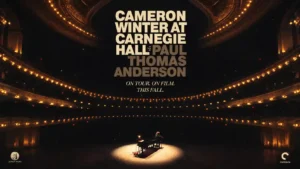
A singular voice, powerful piano playing and intimate film photography make this concert absorbing for receptive listeners. Its uninterrupted, often similar-sounding songs and lack of background context are an acquired...
Pros: directing quality, cinematography
Cons: pacing, Song variety

Extraordinary performances and richly observed relationships make this a rewarding, emotionally forceful drama. Its nearly three-hour length and slow opening demand patience and undivided attention.
Pros: class commentary, character development

Best for a hypnotic, bookish mystery with tactile visuals and cerebral chills. Skip it if reading-heavy, attention-demanding storytelling sounds more exhausting than exciting.
Pros: Atmosphere, cinematography
Cons: audience appeal