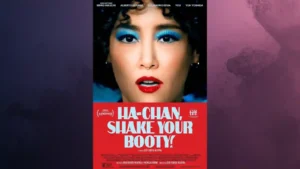
Ha-Chan, Shake Your Booty!
Where It Has the Edge
- audience appeal is 4.8 vs 4.5. Its warm, crowd-pleasing energy makes it easy to recommend for viewers receptive to eccentric dance dramedies, though its...

Scorata scores summarize analyzed review evidence on a 1–5 scale; they are not laboratory measurements or a simple average of customer star ratings. Feature scores summarize the reviews covering that feature. The overall score averages feature scores within each review, then combines review averages. When both expert and customer evidence are available, those two groups receive equal weight. Products can have different review coverage, so small score gaps do not establish a winner.
Recommendations prioritize important features for the category, with a score of at least 3.5, a gap of at least 0.25 points and at least two supporting reviews per product. Features with widely varying scores or broad connectivity contexts are excluded from recommendations. These safeguards do not establish statistical significance.
Quick verdict
The review evidence points to a tradeoff: audience appeal versus supporting cast performance. Choose according to which strengths matter more to you; the overall score alone does not settle that choice.
Choose Ha-Chan, Shake Your Booty! for audience appeal.
Choose Golden Arm for supporting cast performance.
Scores are out of 5. Missing scores mean missing review evidence, not a missing feature.
Bold color, magical-realist imagery, playful chapter graphics, and expressive fantasy sequences give the film a confident personality, even when some flourishes are judged excessive.
The grounded visual approach is a weak point for the harshest assessment, which wanted the movie to embrace a bolder, more exaggerated parody aesthetic.
The early portrait of contemporary Tokyo, ballroom culture, multilingual relationships, and home life creates a vivid social world that carries through the film.
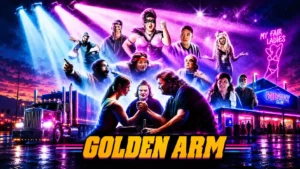
The women’s arm-wrestling circuit feels distinctive, colorful, and surprisingly interesting. Its costumes, personas, bars, and competitors invite curiosity, though one take wishes the movie had explored that world much more deeply.
The grief drama has genuine feeling, but some dramatic beats do not fully click when broad comedy and increasingly chaotic plotting take over.
The dramatic side of the sport strengthens the character-building without crowding out the comedy, giving the competition more emotional purpose.
The film repeatedly swerves away from the safest crowd-pleaser template, though some later turns rely on predictable deception and contrivance.
Predictability is the clearest recurring weakness: the movie follows recognizable sports, buddy-comedy, and romance beats. Some praise how it refreshes those tropes with a women-led arm-wrestling setting, but the structure itself rarely surprises.
The attraction and tenderness can be persuasive, but the Fedir storyline is less satisfying when jealousy, lies, and familiar romantic complications take over.
The romance is a secondary and divisive element. Shared interests and easy conversation work for one take, while others find the relationship forced, abrupt, or underdeveloped.
The standout street confrontation turns punches into dance with flair, making the film’s most action-driven set piece feel inventive and exuberant.
Training montages and the climactic match provide the strongest sports-action moments, while some earlier bouts feel underbuilt or too brief. One take simply wanted more arm wrestling overall.
Kikuchi often makes Haru’s grief and messy behavior feel believable, but some late choices and surreal turns strain recognizable psychology for certain critics.
The film gives its eccentric arm-wrestling world enough textured reality to feel lived-in rather than merely treating the sport as a joke.
Haru is sympathetic and vivid, but several critics found her arc underwritten or abruptly pushed into behavior that feels less nuanced than the early character work.
Melanie’s growth from timid and self-doubting to confident and forceful is one of the movie’s strongest arcs. Danny and some of the colorful side characters draw criticism for needing more depth.
The grief-and-recovery core is affecting, but reactions split over whether the increasingly busy plot enriches Haru’s journey or scatters its impact.
The familiar underdog story is usually carried by charm, strong relationships, and comedy, though a few takes find it thin or merely serviceable. Its warmth tends to matter more than plot complexity.
At its best, the film turns grief, desire, and recovery into something moving and deeply human; at its weakest, whimsical excess can blunt the intended catharsis.
Beneath the silliness, the movie lands as joyful and inspiring when its friendship and empowerment themes click.
Haru’s sister-and-cousin support system brings warmth, comedy, and relaxed chemistry, although one critic wanted the sister relationship developed more fully.
Melanie and Danny’s friendship is the emotional core, praised as warm, believable, supportive, and capable of surviving conflict. Their platonic bond is often more compelling than the sports plot itself.
Its combination of ballroom dance, magical realism, grief, sexuality, and cross-cultural comedy is widely seen as distinctive, even when some individual ideas feel familiar.
The women’s arm-wrestling premise and playful genre framing feel fresh to some, but the core friendship arc still resembles many familiar buddy movies. The concept is more original than the underlying structure.
The movie can move with a lively cadence, but recurring chapter cards and an overlong feel are recurring drag points for some critics.
The road-trip structure often gives the movie brisk momentum, especially once the pair starts traveling and training. A weaker camp sees a shaky or slow second act and, in one case, a rushed final stretch.
The script can be economical, sensitive, and modern, especially in early character work, but contrivances and underdeveloped supporting relationships keep it from fully cohering.
The script earns praise for clever dialogue, inspired comic bits, and sincere relationship material. Its main liability is familiarity, with one strongly negative take calling the writing cliché-bound and suffocatingly predictable.
Grief, renewal, desire, and cultural identity can feel thoughtful and mature, but detractors find some themes simplified or flattened by the film’s whimsical approach.
Female friendship, self-confidence, and empowerment give the comedy more substance than its goofy premise suggests. The themes land warmly, though one critic wanted the messaging pushed further.
Bright colors, elegant compositions, sweeping movement, and wide dance framing earn frequent praise, though one critic felt the camera sometimes falls out of step with the choreography.
The photography receives straightforward praise for being well shot and visually competent.
Wladyka earns substantial praise for bold visual ideas, emotional warmth, and confident dance staging, even as some critics fault his handling of the film’s competing tones.
Maureen Bharoocha’s direction is generally praised for brisk energy, clear comic staging, and organically introducing the arm-wrestling world. One negative assessment wishes the style had gone further into heightened parody.
The multilingual exchanges in Japanese, Spanish, and English efficiently establish intimacy and a lived-in cross-cultural relationship.
The dialogue is praised as clever, with the cast helping throwaway lines land as sharper, funnier exchanges.
The unusual comedy-drama-musical blend can be a cross-cultural delight when its modes click together.
The blend of comedy, road movie, and underdog sports story is usually a good fit, with the women’s sports angle giving it personality. One sports-movie fan wishes the balance leaned more heavily toward arm wrestling.
The hopeful final movement lands beautifully for several critics, but others find the climax predictable or a key romantic plot resolution abrupt and underwhelming.
The finale splits opinion: one take calls the climactic win satisfying and cheer-worthy, while another finds the final act rushed and sloppy.
Haru’s connections with Luis and Fedir carry convincing warmth and attraction, with the central performers selling both intimacy and romantic tension.
Holland and Sodaro’s odd-couple friendship chemistry is one of the strongest points of agreement, repeatedly described as excellent, endearing, or brilliant. The romantic chemistry is much less convincing for one dissenting take.
This is the largest fault line: many admire the nimble mix of grief, comedy, romance, and fantasy, while others find the shifts jarring enough to weaken the emotional payoff.
The light, self-aware charm works beautifully for one take, while another finds the movie stuck awkwardly between sincere and silly. Tone is therefore more divisive than the lead chemistry.
The film’s life-affirming idea—that grief and joy can coexist and movement can help a person rejoin life—generally lands warmly without becoming purely sentimental.
The friendship and empowerment message is generally warm, inspiring, and unexpectedly thoughtful. One more reserved take likes the heart but wishes the message felt more elevated or distinctive.
The Japanese, Mexican, and broader Latin influences are woven together with unusual specificity and warmth; the multicultural setting is repeatedly treated as one of the film’s richest strengths.
The women-led sports world and emphasis on female friendship are widely valued, especially when the film treats its competitors with affection rather than mockery. Its feminist and anti-degrading-women ideas give the silliness extra purpose.
The opening competition is singled out as dazzlingly assembled, using its cutting to heighten the rush of dance before the sudden tragedy.
The training montages are singled out for tight editing and rank among the movie’s strongest sequences.
The film’s bawdy banter, awkward decisions, and surreal gags often work very well, though a few critics feel the comedy sometimes weakens the grief or falls flat.
Comedy is a major draw for most takes, especially the lead banter, timing, and oddball supporting characters. A minority finds the jokes too obvious, too slapdash, or simply not funny enough.
One critic worried the film’s pleasures may fade quickly despite its immediate crowd-pleasing impact, leaving long-term staying power uncertain.
Repeat appeal is polarized: enthusiastic fans want to watch it again or can imagine wearing it out, while one comedy-focused take expects the jokes to lose their staying power.
Most responses find it charming, funny, lively, and crowd-pleasing, with dance and visual invention carrying the experience even for critics who question the story.
Most assessments find the movie fun, charming, and easy to enjoy, sometimes exuberantly so. The main dissent ranges from merely okay background viewing to a spirited film that still falls short.
The supporting ensemble is frequently lively and appealing, with especially strong comic notices for YOU and warm praise for the actors around Kikuchi, though one critic found them comparatively thin.
The supporting cast adds sharp comic texture, with Dot-Marie Jones and other character actors frequently singled out for making small roles memorable.
The ensemble is generally a strength, with the cast keeping the film lively and emotionally accessible even when the material turns messy.
The ensemble is a major strength, with the central performances repeatedly described as charming, hilarious, and capable of carrying thin material. Even a harsher take blames the restrictive archetypes more than a lack of talent.
Rinko Kikuchi is the clearest consensus strength, praised for quiet charisma, comic precision, emotional range, and the ability to ground the film’s wildest turns.
Mary Holland and Betsy Sodaro are consistently treated as the movie’s engine. Their contrasting comic styles, warmth, and commitment often turn a familiar script into an easy recommendation.
Its warm, crowd-pleasing energy makes it easy to recommend for viewers receptive to eccentric dance dramedies, though its quirks will not suit everyone.
The movie has strong crowd-pleasing potential for viewers who enjoy broad comedy, underdog sports stories, and warm female friendships. Its silliness and formula make it more taste-dependent for a smaller group.
Casting is repeatedly treated as the reason the movie works: Holland and Sodaro anchor a deep bench of comic performers. Even criticism of the ensemble tends to argue that the talent deserved stronger material.
The combined writing and performance work turns the wrestling competition into a useful symbol for Melanie’s growth, giving the comic premise genuine character meaning.
The movie drew repeated predictions of cult appeal, with its offbeat women’s arm-wrestling premise and comic energy seen as the kind of combination that could build a lasting niche following.
The fantasy dances and street-fight number are frequent highlights for their energy and storytelling, though a minority found some dancing technically loose or visually underwhelming.
The comedy leans into conspicuously bawdy, in-your-face language. It is treated as part of the film’s comic personality rather than a decisive flaw, but the tone is not restrained.
Bold makeup is part of the film’s vibrant, characterful presentation and works in concert with the costumes and production design.
The central emotional path is understandable, but unanswered practical details and Haru’s abrupt choices sometimes make motivations or connective logic feel thin.
The roughly two-hour experience feels breezy to some, but multiple critics thought the story could benefit from trimming.
The frank treatment of desire, hookups, and non-monogamy is often viewed as mature and unusually nonjudgmental rather than merely provocative.
The preliminary arm-wrestling bouts can lack buildup and tension, making the competition less gripping until the stronger final match.
The spangly ballroom looks, vivid wardrobe, and culturally inflected party attire contribute strongly to the film’s playful, expressive visual identity.
Haru’s cozy, record-filled home and the broader colorful design create an inviting world that several critics wanted to step inside.
One viewer found the movie substantially more somber than its trailer suggested, making the promotional tone feel somewhat misleading.
The blend of Japanese, Latin, and Western pop—and playful familiar-song arrangements—adds energy, cultural texture, and several memorable musical moments.
At a $7 rental price, the movie was considered clearly worth paying for, even with acknowledged flaws.
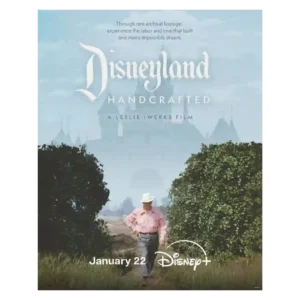
Best for pristine archival footage, immersive sound, and a surprisingly tense look at Disneyland’s construction. Skip it if you want a comprehensive, deeply critical history; several reviewers found the 78–79-minute...
Pros: plot clarity, realism
Cons: plot originality, runtime
Best for an intimate, inventive archival portrait with strong emotional and cultural impact. Skip it if substantial nudity or an occasionally wandering biographical structure will frustrate you.
Pros: chemistry between characters, emotional impact
Cons: runtime, plot clarity
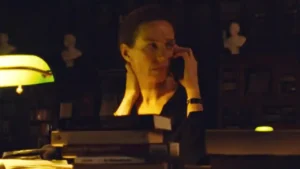
Best for an audacious, text-driven conspiracy thriller with gorgeous 16mm atmosphere and mounting dread. Skip it if long stretches of reading, deliberate repetition, and an intentionally austere narrative sound more...
Pros: story quality, plot clarity
Cons: chemistry between characters, sound design

Best for slow-burn suspense, iconic synth music, and shadow-soaked filmmaking that still feels influential. Skip it if you need fast pacing, polished sound, consistently natural dialogue, or modern gore-heavy kills.
Pros: chemistry between characters, directing quality
Cons: sound design, dialogue quality