Compare Resident Evil vs Victorian Psycho

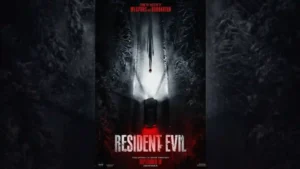
Resident Evil

Resident Evil

Overall score 4.4 / 5

Based on 63 scored reviews

vs
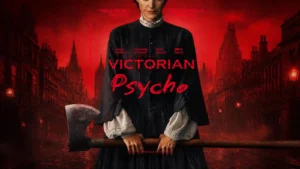
Victorian Psycho

Victorian Psycho

Overall score 4.0 / 5

Based on 17 scored reviews

How we score

Scorata scores summarize analyzed review evidence on a 1–5 scale; they are not laboratory measurements or a simple average of customer star ratings. Feature scores summarize the reviews covering that feature. The overall score averages feature scores within each review, then combines review averages. When both expert and customer evidence are available, those two groups receive equal weight. Products can have different review coverage, so small score gaps do not establish a winner.

Recommendations prioritize important features for the category, with a score of at least 3.5, a gap of at least 0.25 points and at least two supporting reviews per product. Features with widely varying scores or broad connectivity contexts are excluded from recommendations. These safeguards do not establish statistical significance.

Quick verdict

What each product is best for

The review evidence points to a tradeoff: score quality and originality versus supporting cast performance. Choose according to which strengths matter more to you; the overall score alone does not settle that choice.

Choose Resident Evil for score quality and originality.

Choose Victorian Psycho for supporting cast performance.

Why these recommendations?

Resident Evil

Where It Has the Edge

  • score quality is 4.8 vs 4.5. The score is praised as eerie, dark, playful, and tension-building, with reviewers noting how it accentuates big moments...
  • originality is 4.9 vs 4.6. The film is praised for finding a fresh way into familiar IP: an original courier story structured around...

Victorian Psycho

Where It Has the Edge

  • supporting cast performance is 4.8 vs 3.0. The supporting ensemble is broadly well regarded, with Ruth Wilson, Jason Isaacs, Jacobi Jupe, Evie Templeton and Thomasin...
Resident Evil 4.4 overall score
Victorian Psycho 4.0 overall score

Compare features

Scores are out of 5. Missing scores mean missing review evidence, not a missing feature.

Scored on both products

Other features

Suspense
Resident Evil
4.8

Suspense is one of the film’s strongest qualities, built from limited ammunition, dark spaces, uncertain creature behavior, and constant forward pressure. Reviewers repeatedly describe the experience as tense, nerve-shredding, or gripping.

Victorian Psycho
2.4

Suspense is one of the biggest fault lines: one take praises the film for building intense unease through atmosphere and unreliable perspective, while others say narration and predictable buildup drain surprise, stakes and tension.

Plot clarity
Resident Evil
4.8

The central A-to-B delivery mission is repeatedly described as simple and easy to follow. Reviewers generally see that stripped-down objective as a strength because it keeps the movie focused on survival obstacles.

Victorian Psycho
2.5

One key criticism is that Winifred’s deeper motive is withheld until the last act, leaving the story less coherent than it might have been if that information had tied the tonal halves together earlier.

Character development
Resident Evil
2.1

Character depth is one of the clearest weaknesses. Bryan is engaging as an everyman, but many reviewers find his personal arc thin and the supporting characters too brief to develop meaningfully.

Victorian Psycho
4.0

Winifred is widely seen as a vivid, memorable antihero whose tics, inner voice and flashes of fragility make her compelling. The main criticism is that she starts at such an extreme pitch—or gets softened so late—that her arc can lose room to build.

Pacing
Resident Evil
4.8

Pacing is overwhelmingly praised as lean, breathless, and relentless across a roughly 90-minute ride. A few reviewers notice a mid-film hitch or weaker second act when the movie pauses its forward momentum.

Victorian Psycho
3.2

Pacing is split: energetic takes praise the manic momentum or say the film never slows, while others feel the final chapters overstay their welcome, the middle meanders or the movie drags before finding its footing.

Faithfulness to source material
Resident Evil
4.7

Reviewers overwhelmingly praise the film for adapting the feel of playing Resident Evil rather than retelling a game plot. Its resource scarcity, locks, weapon progression, dread, and survival structure are seen as spiritually faithful, though some purists may dislike the lack of legacy characters and direct lore.

Victorian Psycho
3.3

The adaptation earns praise for carrying over the novel’s storybook structure while making use of film language. Other reactions argue that some changes dilute the book’s darkest impulses, or conversely that the movie stays too attached to suggestion from the source.

Directing quality
Resident Evil
4.9

Zach Cregger’s direction is widely praised for control of suspense, visual gags, pacing, creature escalation, and horror-comedy timing. Reviewers often credit his specific voice with rejuvenating a film series they considered tired.

Victorian Psycho
3.7

Zachary Wigon’s direction sharply divides opinion: several assessments praise his precision, visual control and handling of actors, while others fault him for weak buildup and a restrained payoff. The craft is rarely dismissed, but the final impact is contested.

Theme depth
Resident Evil
2.6

The movie’s thematic ambitions are modest. Some reviewers find a worthwhile fatherhood thread or human core, but many say those ideas remain thin, undercooked, or secondary to the ride.

Victorian Psycho
3.8

The gender, class and sanity themes can be sharp, playful and surprisingly nuanced, especially when the film avoids turning Winifred into a simple symbol. Skeptics feel the same ideas stay too shallow, weightless or diluted by the movie’s rushed and comic approach.

CGI quality
Resident Evil
2.3

CGI is the visual weak spot: reviewers call some later digital spectacle pixel-heavy or imperfect and describe the overall computer work as mixed. The practical creature work is consistently received much better.

Victorian Psycho
3.5

The digital visual effects support Winifred’s slipping grip on reality without dominating the film, but some shots are criticized for looking over-glossy next to the stronger practical work.

Violence level
Resident Evil
4.8

Reviewers who judge the gore rather than merely describe it generally embrace the extreme violence as part of the fun. The blood, exploding bodies, and grotesque carnage are repeatedly called effective, wild, or appropriately excessive.

Victorian Psycho
3.7

The bloody content is welcomed when it arrives, with practical kills and grotesque imagery earning praise. The recurring complaint is not excess but restraint: several assessments think the film promises a wilder bloodbath than the climax actually delivers.

Scares
Resident Evil
4.5

Scares are widely praised for sharp jump scares, uncertainty, creature reveals, and sustained unease rather than cheap repetition. A few reviewers find the later comedy or spectacle less frightening than the stronger opening stretch.

Victorian Psycho
3.5

The horror impact varies sharply by taste: some moments and performances are described as genuinely terrifying or disturbing, while another assessment says the movie is never remotely frightening. It leans more on unease, grotesquerie and character behavior than conventional jump scares.

Story quality
Resident Evil
2.6

The story is intentionally slight, and that tradeoff divides reviewers. Many accept the simple delivery quest as the right framework for an experiential survival movie, while others find the narrative shallow, repetitive, or insufficiently resolved.

Victorian Psycho
3.5

The basic story can be exciting, macabre and engaging, but several reactions think Monroe and Winifred are more interesting than the plot itself. Late revelations, thin secondary plotting and muted payoff keep the narrative from matching the strength of the central performance.

Genre satisfaction
Resident Evil
4.6

As survival horror, the movie earns strong approval for combining dread, gore, monsters, jump scares, and frantic problem-solving. A minority feels the comedy becomes strong enough to weaken the horror identity later on.

Victorian Psycho
3.8

As a period horror-comedy, the film is highly divisive: some call it a near-perfect, wickedly funny Gothic ride, while others find it neither scary nor funny enough. Its success depends heavily on whether the viewer clicks with its deliberately odd horror-comedy register.

Screenplay quality
Resident Evil
4.0

The screenplay earns praise for its lean structure, clever game-logic beats, and inventive situations, but not everyone is convinced by its coherence. One critic argues the inconsistencies become obvious once the immediate ride is over.

Victorian Psycho
3.4

The script draws praise for wit, surprise and a smart page-to-screen foundation, but it also takes criticism for heavy narration, late-reveal structure and a first-draft feeling in its escalation. The final-act writing is the most common weakness.

Humor
Resident Evil
4.7

The humor is one of the most praised elements, with Bryan’s panic, muttering, incompetence, and game-logic frustrations generating frequent laughs. Most say it releases tension without ruining the scares, while a smaller group thinks it drains fear from key moments.

Victorian Psycho
4.1

The darkest jokes, absurd line readings and class satire land strongly for many, sometimes making the comedy one of the film’s biggest pleasures. Others find the humor too arch, too self-aware or simply not funny enough to support the genre blend.

Score quality
Resident Evil
4.8

The score is praised as eerie, dark, playful, and tension-building, with reviewers noting how it accentuates big moments while keeping unease simmering underneath.

Victorian Psycho
4.5

Ariel Marx’s score is consistently praised for its lyrical, stormy and theatrical qualities. Strings, whispers and darker orchestral textures help intensify Winifred’s descent and reinforce the Gothic atmosphere.

Originality
Resident Evil
4.9

The film is praised for finding a fresh way into familiar IP: an original courier story structured around the experience of playing rather than recreating established characters or plot beats.

Victorian Psycho
4.6

Several reactions see a fresh, unusually playful mix of female-rage satire, Gothic horror and black comedy, helped by inventive presentation. More skeptical takes view the mad-governess premise as familiar, so the freshness comes more from execution than the basic setup.

Tonal consistency
Resident Evil
4.0

Most reviewers think the horror-comedy balance works, using laughs to release pressure without destroying dread. A notable minority finds the movie too jokey, especially later, creating tonal disharmony or reducing the horror.

Victorian Psycho
3.7

The horror-comedy balance is either a major strength or the film’s central flaw. Some find the mix of gore, absurdity and Gothic mood impressively controlled; others see an awkward hybrid whose actors and scenes seem to belong to different movies.

Ending satisfaction
Resident Evil
2.7

The ending is the clearest point of disagreement. A few reviewers enjoy its boldness or deliberate cliffhanger quality, but many call it abrupt, incomplete, clunky, underwhelming, or short on emotional resolution.

Victorian Psycho
2.9

The finale is the most disputed part of the movie. Some find the twist, coda or final spree satisfying, while several others say the last act loses steam, waters down the carnage or stops short of the catharsis the buildup promises.

Practical effects quality
Resident Evil
4.8

The practical effects are a standout, from large monster puppets to exploding bodies, blood, and tactile creature work. Reviewers repeatedly celebrate the old-school physicality as a major reason the gore feels vivid and fun.

Victorian Psycho
5.0

The practical gore is a standout, with the kills described as wonderfully tactile and among the film’s crown jewels. The physical effects help the violence feel more satisfying when the movie chooses to show it.

Cinematography
Resident Evil
5.0

Cinematography is a major strength, especially the snowbound lighting, shadow work, readable night imagery, and game-like first- and third-person framing. Reviewers repeatedly say the camera makes exploration itself feel tense and immersive.

Victorian Psycho
4.9

The camera work is a major strength, using canted angles, wide lenses, unusual viewpoints and restless movement to mirror Winifred’s instability. Even a harsh overall assessment credits the off-kilter lensing with creating atmosphere.

Chemistry between characters
Resident Evil
5.0

The brief pairing between Bryan and Paul Walter Hauser’s character is singled out for such strong chemistry that one reviewer wished the movie had leaned into a full buddy-horror dynamic.

Victorian Psycho
5.0

Winifred’s interactions generate some of the film’s best character energy, from a strong scene partnership with Mr. Pounds to a bond with Miss Lamb that rapidly turns from sisterly sweetness toward dangerous obsession.

Makeup quality
Resident Evil
5.0

Creature makeup and design receive strong praise for letting the infected grow increasingly strange and grotesque while retaining a tactile, handcrafted feel.

Victorian Psycho
5.0

The makeup is praised for keeping Winifred appropriately imperfect rather than overly polished, with small details such as flyaway hair helping the period character feel lived-in.

Plot originality
Resident Evil
2.0

One reviewer specifically faults the story for lacking the originality expected from Cregger, even while enjoying the execution and franchise-specific details.

Victorian Psycho
2.0

One assessment finds the plot notably predictable and unambitious even when Monroe herself remains hard to anticipate. The lead performance supplies more unpredictability than the story mechanics do.

Runtime
Resident Evil
5.0

The short runtime is consistently treated as an advantage. Reviewers like that the movie stays lean, avoids bloat, and moves through its escalating nightmare without overstaying its welcome.

Victorian Psycho
5.0

The roughly 90-minute length is praised as tight, keeping the film compact even as other aspects of the final act draw criticism.

Performance

Supporting cast performance
Resident Evil
3.0

Supporting performers are generally considered solid, funny, or memorable in brief appearances, but reviewers repeatedly note that the movie gives them little room to develop beyond exposition or NPC-like functions.

Victorian Psycho
4.8

The supporting ensemble is broadly well regarded, with Ruth Wilson, Jason Isaacs, Jacobi Jupe, Evie Templeton and Thomasin McKenzie receiving particular praise across the coverage. The younger performers are especially effective at mixing entitlement, vulnerability and menace.

Acting performance
Resident Evil
5.0

One reviewer broadly calls the acting extraordinary, matching the wider praise for how the cast sells the movie’s panic, comedy, and grotesque situations.

Victorian Psycho
4.6

The ensemble is often praised for committing fully to the film’s heightened horror-comedy, though one negative take finds the cast’s styles too mismatched. Even skeptical reactions generally see the performers as stronger than the material around them.

Lead performance
Resident Evil
4.8

Austin Abrams receives near-unanimous praise for carrying what is often essentially a one-man show. Reviewers highlight his relatability, comic timing, vulnerability, panic, and ability to make an inept everyman worth rooting for.

Victorian Psycho
4.7

Maika Monroe is the strongest point of agreement, repeatedly described as fearless, commanding, funny, chilling and even career-best. A minority finds her miscast or not fully convincing in villain mode, but the consensus on her commitment is overwhelmingly positive.

Marketing accuracy
Resident Evil
5.0

The marketing is praised for holding back many of the movie’s best creature surprises and avoiding major spoilers, letting the theatrical experience retain its shock value.

Victorian Psycho
5.0

The film is described as delivering the socially charged, bloody dark-comedy experience it advertises, even if the escalation does not push as far as that assessment wanted.

Ownership and support

Entertainment value
Resident Evil
4.6

Most reviewers describe the movie as a blast: fast, funny, gross, stressful, and highly theatrical. Even several critics who fault its story or depth still say the ride itself is hard not to enjoy.

Victorian Psycho
3.8

Reactions range from a wildly fun, blood-soaked good time to a frustrating experience that should be much more entertaining than it is. Even many mixed takes agree that Monroe’s presence keeps the film watchable when the plot or tone wobbles.

Rewatch value
Resident Evil
5.0

The few reviewers who address rewatching are enthusiastic, describing plans to see it again with a crowd, show it to others, or revisit it quickly for a second viewing.

Victorian Psycho
5.0

One especially enthusiastic reaction wanted to spend another two hours with Winifred wandering Ensor House, a strong sign that the central character and setting can inspire repeat-viewing enthusiasm.

Controls and connectivity

Audience appeal
Resident Evil
4.6

The movie is repeatedly described as accessible to newcomers as well as longtime players, with its simple survival setup requiring little franchise homework. Series purists may resist the new characters and story, but horror fans are expected to have an easier time buying in.

Victorian Psycho
4.0

Gore-loving and Gothic-horror audiences are the clearest fit, with one take strongly recommending it to fans of psychological horror and black comedy. Broader crossover appeal looks shakier because the goofy quips and uneven genre mix may be divisive.

Comfort and build

World-building
Resident Evil
5.0

One reviewer specifically praises how game logic and escalating set pieces become part of the movie’s world-building, making its rules feel organically tied to the experience.

Victorian Psycho
4.8

The strange version of 1858 England feels vivid and distinctive, blending rigid manners, class cruelty and modern-feeling attitude inside a lavish Gothic household. The setting is described as fascinating even when the story is not fully engaging.

Visual style
Resident Evil
4.9

The visual style draws strong praise for its snowy palette, darkness, colored practical lighting, game-inspired perspectives, and grotesque creature imagery. Several reviewers call it unusually beautiful for such a nasty horror ride.

Victorian Psycho
4.9

The film’s Gothic look is consistently strong, combining candlelit interiors, crooked framing, dreamlike imagery and lush period decay. Even negative assessments often separate the striking visuals from their complaints about story and tone.

Evidence available for one product

Other features

Action sequences
Resident Evil
4.6

The action is largely praised as inventive, feverish, and built around memorable survival set pieces. One dissenting view finds the bigger blockbuster-style action less effective than the film’s smaller, tactile horror.

Victorian PsychoNo score yet
Cultural representation
Resident Evil
1.0

One review strongly criticizes the movie for making little meaningful effort toward inclusion, pointing to a male-dominated story and supporting roles that skew white or receive very little screen time.

Victorian PsychoNo score yet
Dialogue quality
Resident EvilNo score yet
Victorian Psycho
4.7

Winifred’s inner monologue and narration are frequently singled out as funny, compelling and revealing, while the script also lands witty social gags. The voiceover is one of the clearest sources of the film’s comic personality.

Editing quality
Resident EvilNo score yet
Victorian Psycho
4.3

The murder sequences can be elegantly and amusingly cut, giving the violence comic snap. Later, more frantic editing is more divisive, though its escalating intensity is still seen as purposeful.

Emotional impact
Resident Evil
4.0

Several reviewers find more feeling than the stripped-down premise suggests, especially in Bryan’s fear of parenthood and the way his vulnerability humanizes the ordeal. Others think that emotional thread is underdeveloped or tacked on.

Victorian PsychoNo score yet
Friendship portrayal
Resident EvilNo score yet
Victorian Psycho
5.0

Winifred’s bond with Miss Lamb moves quickly from sisterly warmth toward dangerous fixation, and that escalating relationship is praised for how rapidly and entertainingly it changes shape.

Message quality
Resident EvilNo score yet
Victorian Psycho
4.8

The social commentary works best when it lets Victorian hypocrisy and class cruelty speak through the story rather than turning into a lecture. Its critique is described as sharp while remaining embedded in the Gothic comedy.

Realism
Resident Evil
5.0

Bryan’s shaky gun handling, bad decisions, panic, and ordinary reactions are praised as unusually believable for a horror protagonist. That grounded behavior helps the outrageous monsters feel more immediate.

Victorian PsychoNo score yet
Special effects quality
Resident Evil
5.0

Creature and gore effects are among the most consistently praised elements, with grotesque mutations, practical texture, and convincing VFX giving each new threat its own shock value. Even reviewers with story complaints tend to admire the effects work.

Victorian PsychoNo score yet

Comfort and build

Costume design
Resident EvilNo score yet
Victorian Psycho
5.0

The period wardrobe consistently strengthens the Victorian setting, from severe governess blacks to more lavish dresses. The costuming is repeatedly folded into praise for the film’s polished Gothic visual identity.

Production design
Resident EvilNo score yet
Victorian Psycho
4.9

Ensor House and its decaying Victorian grandeur are among the film’s most consistent strengths. Lavish rooms, Gothic embellishments and period detail make the setting visually rich even for assessments that dislike the story or tone.

Sound design
Resident Evil
4.7

Sound is used as a suspense tool, from muffled snowbound impacts to off-screen cues that direct attention into dark spaces. Reviewers find it an important part of the movie’s immersive tension.

Victorian PsychoNo score yet

Controls and connectivity

Critic appeal
Resident Evil
5.0

Critical reception is portrayed as exceptionally strong, with roundups highlighting near-unanimous enthusiasm and record-setting franchise scores. The movie is repeatedly framed as a major critical step up for Resident Evil on film.

Victorian PsychoNo score yet

Performance

Historical accuracy
Resident EvilNo score yet
Victorian Psycho
4.3

The period recreation earns direct praise for convincingly evoking 19th-century England through the estate, candlelit spaces, wardrobe and Gothic architecture. Elsewhere, a few deliberate anachronisms are treated as comic flourishes rather than a major flaw.

Other Top Movies to Consider

#1 Disneyland Handcrafted
4.8

Best for pristine archival footage, immersive sound, and a surprisingly tense look at Disneyland’s construction. Skip it if you want a comprehensive, deeply critical history; several reviewers found the 78–79-minute...

Pros: plot clarity, realism

Cons: plot originality, runtime

#2 Barbara Forever
4.8

Best for an intimate, inventive archival portrait with strong emotional and cultural impact. Skip it if substantial nudity or an occasionally wandering biographical structure will frustrate you.

Pros: chemistry between characters, emotional impact

Cons: runtime, plot clarity

#3 Chronovisor
4.8

Best for an audacious, text-driven conspiracy thriller with gorgeous 16mm atmosphere and mounting dread. Skip it if long stretches of reading, deliberate repetition, and an intentionally austere narrative sound more...

Pros: story quality, plot clarity

Cons: chemistry between characters, sound design

#4 Halloween
4.8

Best for slow-burn suspense, iconic synth music, and shadow-soaked filmmaking that still feels influential. Skip it if you need fast pacing, polished sound, consistently natural dialogue, or modern gore-heavy kills.

Pros: chemistry between characters, directing quality

Cons: sound design, dialogue quality