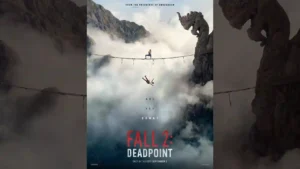
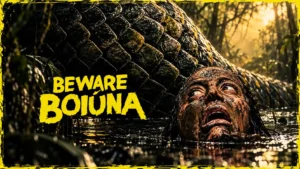
Fall 2: Deadpoint
Where It Has the Edge
- runtime is 3.7 vs 1.3. The shorter running time is mostly viewed as a benefit, keeping the simple premise from overstaying its welcome....

Scorata scores summarize analyzed review evidence on a 1–5 scale; they are not laboratory measurements or a simple average of customer star ratings. Feature scores summarize the reviews covering that feature. The overall score averages feature scores within each review, then combines review averages. When both expert and customer evidence are available, those two groups receive equal weight. Products can have different review coverage, so small score gaps do not establish a winner.
Recommendations prioritize important features for the category, with a score of at least 3.5, a gap of at least 0.25 points and at least two supporting reviews per product. Features with widely varying scores or broad connectivity contexts are excluded from recommendations. These safeguards do not establish statistical significance.
Quick verdict
The review evidence points to a tradeoff: runtime versus realism and lead performance. Choose according to which strengths matter more to you; the overall score alone does not settle that choice.
Choose Fall 2: Deadpoint for runtime.
Choose Beware Boiúna for realism and lead performance.
Scores are out of 5. Missing scores mean missing review evidence, not a missing feature.
Plausibility is a major weakness, especially the characters' decision to attempt the climb and the escalating late twists. Even positive reviews often ask viewers to accept foolish choices and strained survival logic.
On-location jungle shooting, sweat, grime, physical environments, and grounded creature integration make the movie feel unusually tangible. That realism helps sell both the human danger and the impossible scale of Boiúna.
The central Jax-Luce dynamic divides opinion, ranging from good rapport to a relationship that feels mechanical or nearly chemistry-free. Their bond is often limited by rushed or contrived writing.
Jessica Rothe and Kiana Madeira’s chemistry gives the central relationship an immediate charge and helps carry the early human drama.
The violence is described as strong enough to be a major concern for younger viewers, with injuries and intense peril contributing to a harsher experience.
The bloody creature attacks, gruesome injuries, and medical gore are a major part of the horror appeal for gore-friendly viewers. The same brutality is far too graphic and lingering for family-oriented viewing.
The shorter running time is mostly viewed as a benefit, keeping the simple premise from overstaying its welcome. One reviewer still found the experience exhausting despite its modest length.
The movie is repeatedly described as longer than its material needs, with suggestions that a tighter cut near ninety minutes would improve momentum. The extended setup makes the runtime especially noticeable.
Effects quality is inconsistent: some reviewers find the height illusion convincing or improved, while many others call out green-screen seams and weak digital backgrounds. The technical unevenness can directly reduce suspense.
The creature effects are a strong point, especially when Boiúna’s scale is conveyed through the environment and brief close looks. The best effects moments make the snake feel imposing without requiring constant full-body shots.
Editing gets sharply divided reactions: some praise it for turning artificial environments into convincing tension, while others find the presentation sloppy or drawn out. The strongest cuts support the climbing sequences.
Frenetic cutting is one of the most consistent complaints. Fast edits, flashes, and panicked sequencing often obscure geography and blunt action that otherwise has strong stunt and creature work.
The CGI is one of the clearest technical weak spots, with several reviewers saying digital backgrounds and effects break the illusion of height. A few sequences hold up better, but the overall consistency is poor.
The snake CGI is generally respectable to impressive, especially when blended into real jungle environments and shown selectively. A few reactions find it subpar or not fully convincing, so the digital creature works best in controlled glimpses.
Repetition of Fall is one of the most consistent complaints. Reviewers repeatedly describe the sequel as familiar, copied, by-the-numbers, or too faithful to the original's structure, with only a few seeing meaningful evolution.
Unexpected deaths, shifting allegiances, and a revenge-thriller structure give the story some fresh turns within familiar creature-feature territory. At the same time, several beats become predictable or feel heavily indebted to older monster and action films.
The fear-and-courage message gets mixed results: one reviewer strongly approves of its moral framing, while others find the motivational ideas bland, tone-deaf, or emotionally underpowered.
The people-are-the-real-monsters idea and environmental message can feel overly familiar when the screenplay states them without enough nuance.
Much of the humor is accidental, but several reviewers still have fun laughing at the absurd decisions, twists, and heightened action. That campy appeal can make the movie more enjoyable for the right audience.
The scarcity of humor is a recurring drawback for viewers who wanted more camp or sardonic relief from the giant-snake premise. A few comic-relief beats work, but the film mostly commits to a straight-faced tone.
The story is generally seen as weaker than the central survival concept, with contrivances, shallow backstory, and unnecessary crime elements drawing criticism. A smaller group finds the basic sequel story solid enough for the ride.
The human revenge plot gives the first half more substance than a basic monster setup and works well for viewers invested in the characters. Others find the story too familiar, muddled, or unable to deliver on the development it sets up.
One reviewer jokingly criticized the way the Thailand setting and its people are framed, suggesting the location is used more as a perilous backdrop than meaningful representation.
The Amazon setting, local folklore, and effort to center regional specificity give the film more cultural texture than a generic jungle adventure. Some character heritage details and anti-colonial elements still feel invented, shallow, or imperfectly handled.
Character writing is a persistent weakness: Jax and Luce are often described as thin, trope-driven, or underexplored. A few reviewers found enough growth and rooting interest to make the survival stakes work.
Character work is one of the biggest dividing lines. The leads and Brennan gain enough complexity to create real rooting interest for some viewers, while others find the cast thin, underwritten, or abandoned once the creature takes over.
The grief setup has clear potential, but many reviewers say it never lands with the weight it is aiming for. Slater's performance helps, yet underdeveloped relationships keep the emotion mostly surface-level.
The intended emotional undercurrent does not fully land because the character material is not developed enough to support the late dramatic punch.
The music receives a lukewarm assessment: serviceable rather than memorable or especially effective.
The score effectively intensifies the jungle-survival experience, though it occasionally pushes the urgency harder than the scene needs.
The screenplay is the most repeated source of criticism, with predictable beats, shaky logic, forced exposition, and overcomplicated twists. A few reviewers find enough intrigue or playful pulp to keep it afloat.
The writing takes heavy criticism when character conflicts, thematic ideas, and familiar genre beats fail to cohere. Weak follow-through leaves some promising setups feeling thinner than they should.
Dialogue is widely criticized as basic, clichéd, repetitive, or overly expositional. Even favorable reviews tend to credit the actors with elevating lines that give them limited help.
Expository dialogue and forced emotional beats can make character backstories feel generic rather than naturally revealed.
Several reviewers struggle with story logic and twist construction, describing beats as nonsensical, obvious, or hard to accept. The plot remains followable, but its internal reasoning often is not convincing.
The story structure can feel muddled, with some setup material poorly integrated and later developments not cleanly paying off earlier threads.
The camera frequently creates potent vertigo through POV shots, wide views, and disorienting angles, making the mountain feel genuinely dangerous. Several reviewers still miss the original tower's stronger sense of scale.
The Amazon imagery can be lush, tactile, and striking, but the nighttime photography, handheld movement, and tight framing frequently make action hard to read. The same visual choices that create grit can also become a major source of frustration.
Height-based suspense is the clearest consensus strength. Even many negative reviews admit that POV shots, unstable planks, exposed drops, and a few standout set pieces can produce sweaty palms and real anxiety.
Tension is a major strength once the human conflict and jungle dangers start closing in, and several sequences hold a tight grip even before the snake arrives. The suspense weakens when murky action or obvious foreshadowing makes threats harder to feel.
The emotional drama works best when it stays tied to fear, trust, and survival. Soapier conflicts and late plot complications often feel forced, though a few reviewers found the character drama genuinely engaging.
The central human conflict has a compelling premise, but its emotional follow-through is too limited once the monster plot takes priority.
The Spierig brothers draw strong tension from angles, editing, and exposed climbing, and several reviewers praise their technical craft. Others feel the sequel lacks imagination or slips into tedium when it leaves the core survival setup.
Mike P. Nelson’s direction earns praise for finding fresh angles in familiar genre material, but the chaotic attack coverage also draws criticism for muddying the film’s visual logic. The strongest sequences show a more controlled version of the same intensity.
The movie's shift toward soapier, pulpier, and more exaggerated storytelling often clashes with its grounded survival tension. Several reviewers say the silliness or melodrama breaks immersion.
The dead-serious tone is a make-or-break choice. Some appreciate the refusal to wink at the giant-snake premise, while others find the movie too grim, joyless, or caught between grounded thriller and pulpy creature feature.
The strong profanity is specifically called out as a suitability concern, especially for younger viewers.
Frequent profanity is a clear content concern and contributes to the film’s adult tone.
The physical filmmaking is strongest when performers, real movement, and environmental scale carry the spectacle, creating a more convincing sense of danger than the weaker digital work.
Practical gore and physical creature pieces add welcome weight to the carnage. These tactile touches help the movie avoid feeling like an entirely digital monster showcase.
Fear of heights remains the movie's most reliable source of scares. Some reviewers find it genuinely terrifying and face-hidingly effective, while a dissenting take feels almost no fear at all.
The film can be genuinely frightening, with stalking sequences, creature reveals, and medical body horror producing some of its strongest reactions. A few attacks are too telegraphed, so the scares land unevenly.
Ideas about grief, courage, trust, isolation, and perseverance are present, but reviewers disagree on how well they are developed. The themes add some substance without consistently becoming deep character drama.
The anti-colonial and environmental ideas give the creature feature more purpose than simple survival horror, especially when Boiúna feels like nature pushing back. Those themes can also feel thin, obvious, or insufficiently integrated with the action.
The finale is one of the most divisive parts of the movie. Some enjoy its energy, shocks, and sequel tease, while many others call the late twists overcooked, convoluted, ridiculous, or baffling.
The ending is a mixed payoff: some find Lena’s resolution earned and emotionally satisfying, while others feel key arcs turn conventional or stop just short of the payoff they were building toward.
The best climbing set pieces turn simple movement into white-knuckle action, with monkey-bar crossings and exposed traversals repeatedly singled out. Some later action grows exaggerated or less inventive than the original.
Several set pieces are memorable, especially the mud-pit sequence and the larger survival clashes. Their impact is often reduced by darkness, shaky framing, and rapid editing that make the action difficult to follow.
Pacing varies sharply across reviews. Some praise the shorter runtime and brisk survival momentum, but many complain about a slow or rushed setup, repetitive obstacles, flashback interruptions, and late padding.
The slow-burn first half is highly divisive: some enjoy the human thriller and feel the monster is earned, while many find the setup overlong and sluggish. The back half usually gains urgency, though transitions and payoffs can still feel uneven.
As a survival thriller, the movie usually delivers enough vertigo, physical danger, and nail-biting set pieces to satisfy genre fans. The weakest reactions come from reviewers who feel the repetition and writing blunt those strengths.
Creature-feature reception is sharply split: it can feel like a standout killer-snake movie when the slow-build thriller clicks, but a dull missed opportunity when the creature stays too scarce. The serious approach suits viewers who value character setup over nonstop monster action.
This is not presented as family-friendly viewing; strong profanity, drug material, violence, and sustained peril make it better suited to adults and older viewers.
Graphic violence, disturbing injuries, profanity, and bleak subject matter make this a poor fit for family movie night.
Creaking wood, wind, and ominous climbing hardware can strongly intensify the height anxiety. However, poor ADR, dubbing, and lip-sync issues drag the overall audio experience down.
The sound design is a standout strength, using slithers, impacts, cracks, and environmental ambience to make the jungle and creature feel close and threatening.
The mountain setting can look beautiful and vertigo-inducing, but the visual presentation is inconsistent. Strong wides and POV shots compete with flat rock-face framing, artificial backgrounds, and a weaker sense of scale than the original.
The film’s sweaty, grimy jungle look is widely admired, with on-location texture making the setting feel hostile and physical. Even negative reactions often find individual images or the overall aesthetic striking.
The sequel does little meaningful expansion of its lore; the broader franchise setup exists, but one reviewer explicitly says rich world-building is not what earns the movie its credit.
The Amazon setting and Boiúna folklore can make the world feel specific, immersive, and mythic rather than generic. Some reactions still find the creature mythology underexplained or too thinly developed.
Viewers who mainly want another dose of vertigo and survival thrills are the likeliest to enjoy it. Broader appeal is shakier because attachment to the new characters and overall critical enthusiasm are mixed.
Horror fans who enjoy brutal deaths, serious creature features, and a large-scale monster are likely to find plenty to enjoy once the snake action arrives.
Strong language, drug material, and intense violence make this a poor fit for younger viewers despite the PG-13 framework.
The level of gore, brutality, disturbing medical imagery, and language is judged inappropriate for younger family audiences.
One reviewer found the promotional association with Obsession misleading because the two films have little in common.
The lively monster-movie presentation around the premiere created expectations of a fun, showy snake movie that the film’s dour, visually obscured approach did not satisfy.
The cast generally earns more praise than the script, especially for selling fear and keeping thin material watchable. A minority found the performances merely adequate or poorly calibrated to the danger.
The ensemble is one of the film’s clearest strengths, with committed performances helping sell an otherwise outlandish giant-snake premise. Even more mixed reactions to the movie often still credit the cast with grounding the danger.
Harriet Slater's lead work is one of the more consistent strengths, with praise for vulnerability, determination, and believable fear. Even a more negative take still found her performance acceptable.
The lead performances are a major strength, with Kiana Madeira repeatedly standing out for physical commitment, empathy, and survival intensity. The central actors help keep the movie engaging through the slow build.
Arsema Thomas and Tom Brittney receive strong praise when singled out, with Thomas described as electric and Brittney as convincingly authoritative.
Will Close’s comic-relief turn stands out as a lively supporting performance, landing the funny lines without pulling the movie fully into camp.
For viewers seeking a big-screen vertigo experience, the theatrical presentation is considered worth paying for. The scale and exposed mountain imagery benefit from a cinema screen.
Theatrical value depends heavily on how much the atmosphere, performances, and giant-snake spectacle work for you. Some find it worth the big-screen trip, while others see too little of the creature to justify a ticket.
Entertainment value depends heavily on tolerance for silliness: some reviewers find a fun, exciting B-movie ride, while others are bored or frustrated. A notable group enjoys it specifically as so-bad-it's-good spectacle.
Entertainment value swings widely depending on tolerance for the slow setup and dour tone. The second-half survival material can be a blast, but sparse monster visibility and murky action leave others bored or underwhelmed.
The production’s engagement with local people and the culture surrounding the legend adds a sense of care and investment to how the story was approached.
Critical reception is distinctly mixed rather than broadly enthusiastic, with roundup coverage showing both strong praise for the thrills and sharp criticism of the writing.
Boiúna’s limited screen time is the central tradeoff. Some find the less-is-more approach suspenseful and effective, while many want a clearer, longer look at the enormous creature they came to see.
The sets are judged passable at matching real locations, but not so convincing that they disappear completely into the environment.
Repeat-viewing appeal looks limited for those left dissatisfied by the ending or who are not already enthusiastic creature-feature fans.

Choose this inventive, unsettling documentary for fearless questioning, dark humor, and unpredictable storytelling. Skip it if you want a short, straightforward exposé with definitive answers.
Pros: originality, humor

Extraordinary performances and richly observed relationships make this a rewarding, emotionally forceful drama. Its nearly three-hour length and slow opening demand patience and undivided attention.
Pros: class commentary, character development

Best for a hypnotic, bookish mystery with tactile visuals and cerebral chills. Skip it if reading-heavy, attention-demanding storytelling sounds more exhausting than exciting.
Pros: Atmosphere, cinematography
Cons: audience appeal

Best for an intimate, searching documentary that rewards focused attention and invites discussion. Skip it when devastating grief, addiction footage, and unresolved family tensions would be too much.
Pros: emotional impact, theme depth